












Last Watched

" Wildlife"  Sort by

Caves

   2007    Nature
The Cave of Swallows in Mexico is a 400m vertical shaft, deep enough to engulf the Empire State Building. The Lechuguilla cave system in the USA is 193km long and 500m deep with astonishing crystal formations hanging from its chambers. Although often overlooked, caves are remarkable habitats with equally bizarre wildlife. Cave angel fish cling to the walls behind cave waterfalls with microscopic hooks on their flattened fins. Cave swiftlets navigate by echo-location and build nests out of saliva. The Texas cave salamander has neither eyes nor pigment. Unique access to a hidden world of stalactites, stalagmites, snotites and troglodytes brings a wealth of surprises.
Series: Planet Earth
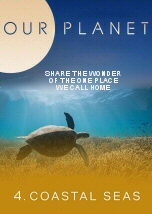
Coastal Seas

   2019    Nature    HD
Immense shoals of fish throng our shallow seas. Small fish, in turn, sustain bigger ones. The rich coastal seas are the fishing grounds of our planet and can provide an abundance of food for wildlife and humanity. The seas fringing land make up less than a tenth of the world's oceans but 90 percent of marine creatures live in coastal waters, from fearsome sharks to lowly urchins. Protecting these habitats is a battle humanity must win.
Series: Our Planet

Crowded Continent

   2024    Nature    3D    HD
In fifth episode, you can witness how wildlife ingeniously adapts to the bustling human landscapes of Asia. Marvel at tigers establishing territories within urban areas, elephants halting traffic in search of food, and observe how 300 giant monitor lizards thrive in a central Bangkok park. Discover flying squirrels nesting in Taipei schools, proboscis monkeys venturing closer to human settlements, and swifts in Jerusalem competing for nesting sites. This story offers a captivating glimpse into the extraordinary resilience and adaptability of animals coexisting with dense human populations.
Series: Asia

David Attenborough Meets President Obama

   2015    Nature
In a far cry from the steamy jungles of Rwanda or the icy waters of the Arctic, British naturalist Sir David Attenborough has donned a necktie and met with US president Barack Obama to discuss climate change and the future of the planet. The two met at the White House — a place the naturalist had never yet explored — on Sir David's 89th birthday in May to film the interview". It was the first time the respected wildlife filmmaker had met an American president and he seemed a little awed by the experience. Mr Obama, who grew up watching Sir David's programs, seemed equally thrilled. The president has the environment and climate change on his radar and is anxious to see progress made as his presidency comes to a close. He faces stiff opposition from Republicans in Congress on his plans to tackle climate change, but remains determined to make changes before leaving office. "I don't have much patience for anyone who denies that this challenge is real," he said. "We don't have time for a meeting of the Flat Earth Society." Sir David, who has been called "the godfather of natural history TV" by the BBC, brought to the meeting six decades dedicated to sharing the wonders of the natural world with television audiences. After initially being rejected for television because his teeth were deemed "too big", Sir David went on to make his Life on Earth television series, which has been watched by more than 500 million people worldwide. His name is now synonymous with nature, conservation and wildlife. During the television interview, the men discussed global warming, renewable energy and how children and young people hold the key to reversing the damage.

Denali: Alaska Great Wilderness

       Nature
The Indians called the frozen peak of this great Alaskan mountain range Denali, or 'the high one.' Most know it as Mount McKinley. This preserved wilderness comes to life with the thaw of spring and wildlife abounds during the brief summer, only to succumb to the grip of the long winter. Watch as 5-week-old grizzly cubs play, a moose gives birth to her calf, and a wood frog survives the deep freeze of winter. Breath-taking shots of dazzling northern lights over vast and lush wilderness make this an unforgettable Eden.
Series: The Living Edens

Desert Worlds

   2022    Nature
Plants that have developed to thrive in the desert, including cacti that grow in the shade of other trees and collect water in pleated trunks that expand and contract - but can also find themselves a host to other plants, like desert mistletoe. This programme also reveals how tobacco plants being eaten by caterpillars are able to summon the creatures' natural predators, and how tumbleweeds roll across the landscape, only unfurling and growing when they encounter rain.
Series: The Green Planet