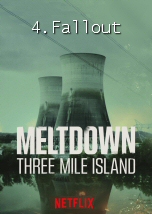
In the last episode, despite disturbing revelations of wrongdoing at Three Mile Island before and after the accident, the utility fights to bring the plant back online. Its Unit 1 had its license temporarily suspended following the incident at Unit 2. Although the citizens of the three counties surrounding the site voted by an overwhelming margin to retire Unit 1 permanently in a non-binding resolution in 1982, it was permitted to resume operations in 1985 following a 4–1 vote by the Nuclear Regulatory Commission. In 2017, it was announced that operations would cease by 2019 due to financial pressure from cheap natural gas, unless lawmakers stepped in to keep it open. Unit 1 shut down on September 20, 2019. Billed as the worst nuclear incident in U.S. history, what’s particularly scary here is how close Three Mile Island incident came to becoming a national disaster. Without giving away the whole story, cost-cutting 'solutions' almost cause a catastrophic disaster.
This episode examines the idea of scientific racism, an ideology invented during the 19th century that drew on now discredited practices such as phrenology and provided an ideological justification for racism and slavery. The episode shows how these theories ultimately led to eugenics and Nazi racial policies of the master race.
The French army stops the German advance at the battle of the Marne, while the Germans halt the Russians at Tannenberg on the eastern front. In France, the warring parties dig themselves in for 4 years in the trenches. Soldiers from the colonies come lend a hand to their colonizers and the war becomes global.
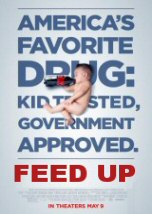
Upending the conventional wisdom of why we gain weight and how to lose it, Fed Up unearths a dirty secret of the American food industry—far more of us get sick from what we eat than anyone has previously realized. Filmmaker Stephanie Soechtig and TV journalist Katie Couric lead us through this potent exposé that uncovers why—despite media attention, the public’s fascination with appearance, and government policies to combat childhood obesity—generations of American children will now live shorter lives than their parents did.
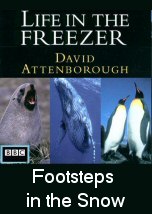
This episode discusses the human exploration of Antarctica, in particular the mission led by Captain Robert Falcon Scott, whose team died on the way back from the South Pole. It shows the scientific work in the modern human bases in Antarctica, especially Mawson Base and its observation of Adelie Penguins (partially through tracking devices). The second half of the episode describes how the series was made. Most crucial was of course the camera work. To get access to the wildlife of the sea, for example, boats, divers, suspended capsules and remotely controlled cameras mounted on inflatables were used. Particularly dangerous to divers were Leopard Seals and other predators. The film concludes that although working in Antarctica is now much easier than during the early days of exploration, human footsteps on the continent are still exceedingly rare in part because of international treaties prohibiting industrial exploitation.
The film is an immersive chronicle of the insurrection at the U.S. Capitol on January 6, 2021, when thousands of Donald Trump's followers from across the country gathered in Washington D.C. to protest the results of the 2020 presidential election, many with the intent of disrupting the certification of Joe Biden’s presidency. 'Four Hours at the Capitol' features never-before-seen footage and vivid first-hand accounts from lawmakers, staffers, police officers, protesters, and rioters who stormed the Capitol building where the electoral votes were being counted. The film details how the violence quickly escalated, leaving Capitol security forces outnumbered and overwhelmed, and highlights the high-stakes standoff between police and rioters. The documentary presents a stark reminder of the wider ramifications of the events of that unprecedented day, which ended with the deaths of five people and more than 140 police officers injured.




















In 2017, it was announced that operations would cease by 2019 due to financial pressure from cheap natural gas, unless lawmakers stepped in to keep it open. Unit 1 shut down on September 20, 2019.
Billed as the worst nuclear incident in U.S. history, what’s particularly scary here is how close Three Mile Island incident came to becoming a national disaster. Without giving away the whole story, cost-cutting 'solutions' almost cause a catastrophic disaster.