(Click CC for subtitles) Embark on a captivating journey into the heart of Frida Kahlo's vibrant existence. This profound exploration delves into the intimate world of the iconic artist, as narrated by Kahlo herself through her most personal diaries, revealing letters, thoughtful essays, and insightful interviews. Witness the raw and magical odyssey of her life, illuminated by the sorrows and joys that inspired her unforgettable art. The documentary comes alive with enchanting, lyrical animations that draw directly from the vivid colors and emotional depth of Kahlo's masterpieces, offering a visually stunning experience that mirrors the passion and complexity of her soul. This film is not just a biography; it's an immersive experience into the essence of Frida Kahlo's artistry and being, promising to leave audiences inspired, moved, and forever changed.
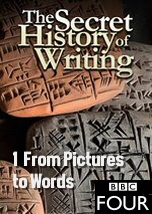
We take it for granted, but every time we pick up a pen or type on the keyboard, we are employing the most powerful technology ever invented: the technology of writing. Explore how the invention of writing gave humanity a history. From hieroglyphs to emojis, the series is an exploration of the way in which the technology of writing has shaped the world we live in. The invention of writing about 5,000 years ago made civilization itself possible, and every innovation of the modern world is based on the foundation of the written word. But how and where did writing begin, and who began it? In From Pictures to Words, the first of three films about the history of writing, we uncover the hidden links between all the diverse writing systems in use today and trace the origin of our own alphabet to a turquoise mine in the Sinai Desert and a man riding a donkey whose name was Khebded.
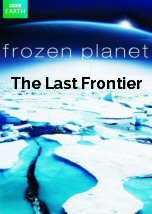
The documentary series reveals the extraordinary riches and wonders of the Polar Regions that have kept people visiting them for thousands of years. Today, their survival relies on a combination of ancient wisdom and cutting-edge science. Most Arctic people live in Siberia, either in cities like Norilsk - the coldest city on earth - or out on the tundra, where tribes like the Dogan survive by herding reindeer, using them to drag their homes behind them. On the coast, traditional people still hunt walrus from open boats - it is dangerous work, but one big walrus will feed a family for weeks. Settlers are drawn to the Arctic by its abundant minerals; the Danish Armed Forces maintain their claim to Greenland's mineral wealth with an epic dog sled patrol, covering 2,000 miles through the winter. Above, the spectacular northern lights can disrupt power supplies so scientists monitor it constantly, firing rockets into it to release a cloud of glowing smoke 100 kilometres high. In contrast, Antarctica is so remote and cold that it was only a century ago that the first people explored the continent. Captain Scott's hut still stands as a memorial to these men. Science is now the only significant human activity allowed; robot submarines are sent deep beneath the ice in search of new life-forms, which may also be found in a labyrinth of ice caves high up on an active volcano. Above, colossal balloons are launched into the purest air on earth to detect cosmic rays. At the South Pole there is a research base designed to withstand the world's most extreme winters. Cut off from the outside world for six months, the base is totally self-sufficient, even boasting a greenhouse.
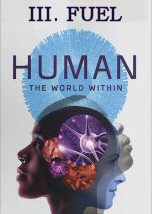
The episode is a journey through the human gut and the process of turning food into energy to keep the body going. Humans have turned eating into culture, a way to celebrate our roots, to bring us together. But food is really just one thing: Fuel. It's where you get the power to live your life. Even when you're sitting completely still, your body needs a lot of energy to stay on. But nowhere is the need for fuel more apparent than when you push yourself to the absolute limit. And the microbiome, the bacteria living in our gut, plays a great role in all this.
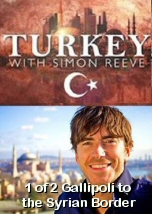
Travel writer Simon Reeve embarks upon two long-distance journeys across Turkey, exploring this dramatic and beautiful country that now finds itself at the centre of world events. In this programme, he visits Istanbul and the beaches and crystal clear waters of the Aegean Sea, before ending up at the war-torn border with Syria. In the region thought to have been the origin of the first vineyards, Simon meets a producer now trying to sell wine in a Muslim country with an increasingly conservative government. In Istanbul, he meets some of the people shaping modern Turkey, from loyal supporters of the nation's controversial and authoritarian president to the master builder constructing one of the world's largest mosques and the notorious billionaire cashing in on a Turkish property boom. Along Turkey's famous Turquoise Coast, Simon has a taste of luxury at the country's most expensive hotel, but discovers an industry on its knees as war in Syria and deadly terror attacks keep millions of holidaymakers away.
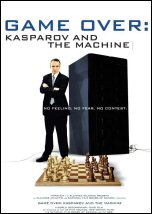
Garry Kasparov is arguably the greatest chess player who has ever lived. In 1997 he played a chess match against IBM's computer Deep Blue. Kasparov lost the match. This film shows the match and the events surrounding it from Kasparov's perspective. It delves into the psychological aspects of the game, paranoia surrounding it and suspicions that have arisen around IBM's true tactics. It consists of interviews with Kasparov, his manager, chess experts, and members of the IBM Deep Blue team, as well as original footage of the match itself.


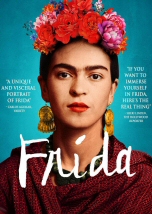



This film is not just a biography; it's an immersive experience into the essence of Frida Kahlo's artistry and being, promising to leave audiences inspired, moved, and forever changed.