Your brain is like a hungry sponge. It's constantly absorbing information. It thrives when stimulated. Between smartphones and books, and movies, and friends and family, thousands of sensations are constantly going into our heads. But what if it all got cut off?. Imagine being confined to a 10-by-10-foot room in complete isolation. No timekeeping devices, no phones, no books, nothing to write on, no windows. Psychologists say that fewer than three days in a room like this can lead to brain damage. I will be staying in this room for three days. Michael explores the effects of isolation on the human mind by subjecting himself to a very interesting experiment.
Chef's Table goes inside the lives and kitchens of six of the world's most renowned international chefs. Each episode focuses on a single chef and their unique look at their lives, talents and passion from their piece of culinary heaven. Jeong Kwan is a not your regular defined chef. She's living as a monk in Korea. She is connected to the spiritual side of food. Instead of trying to be the best in the world, any sense of ego is stripped from her mind and she cooks from the soul. This episode follows the daily life of Jeong Kwan, as she lovingly prepares vegan 'temple food', using ages old recipes and natural ingredients. She is a humble genius. Inspirational and meditative, gorgeously shot. She is a tiny, calm, firebrand.
In July 1970, Jimi Hendrix stepped onto the stage of the Atlanta Pop Festival before an audience of more than 300,000 people—the largest American crowd of his career. This film presents rare, restored footage of that historic Independence Day performance, where he delivered unforgettable renditions of classics like Hey Joe, Voodoo Child (Slight Return), and The Star-Spangled Banner. Alongside the music, interviews with Hendrix, his bandmates Mitch Mitchell and Billy Cox, and contemporaries such as Paul McCartney provide insight into his artistry and state of mind at the time. Framed against the cultural backdrop of Vietnam, civil rights struggles, and the countercultural movement, this documentary captures not only a milestone concert, but also the moment Hendrix became both a symbol and a voice for a restless generation.
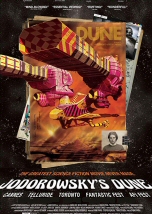
Alejandro Jodorowsky's daring and psychedelic films of the early 1970's, 'El Topo' and 'The Holy Mountain', cemented his status as the Godfather of the Midnight Movie. In 1974, he began work on his next film, possibly the most ambitious film ever attempted. In the pre-Star War era, Jodorowsky’s adaptation of Frank Herbert’s classic sci-fi novel DUNE was poised to change cinema forever. His DUNE would star Brontis Jodorowsky, Alejandro's own 12 year old son, alongside Orson Welles, Mick Jagger, David Carradine and even Salvador Dali. The team of assembled visual artists were some of the most provocative talents of the era, including H.R. Giger, Chris Foss, and Jean ‘Moebius’ Giraud. The groundbreaking special effects were under the control of Dan O'Bannon and the soundtrack would be created by Pink Floyd and the French prog-rock masters, Magma. For two years, Jodorowsky and his team of 'Spiritual Warriors' worked night and day on the massive task of creating the fabulous world of DUNE. In order to secure the necessary Hollywood funding, they created over 3,000 storyboards, numerous paintings, incredible costumes, and an outrageous, moving, and powerful screenplay. In the words of Jodorowsky’s producer, Michel Seydoux, 'It should have been enough. But it wasn’t.' Through intimate and honest conversations with Jodorowsky, filmed over the span of three years, plus interviews with legends and luminaries including H.R. Giger (artist, ALIEN), Gary Kurtz (producer, STAR WARS) and Nicolas Winding Refn (director, DRIVE and THE NEON DEMON), as well as never-before-seen realizations of Jodorowsky’s mind-blowing psychedelic space opera, director Pavich's film finally unearths the full saga of 'THE GREATEST MOVIE NEVER MADE'.
This featured documentary delves into the tangled web of politics, show business, and organized crime in post-World War II America. It traces the unlikely connections between President John F. Kennedy, iconic singer Frank Sinatra, and notorious mobsters, revealing a saga of mutual assistance amidst corruption and betrayal. The film highlights the complex interplay of fame, money, and power, illustrating how these forces helped these figures rise to prominence in a chaotic and corrupt American landscape, ultimately leading to personal and political tragedies. The documentary paints a vivid picture of Kennedy and Sinatra's ascent, influenced by their ties with the mafia. Kennedy, groomed for power from birth, and Sinatra, rising from humble beginnings, both relied on mafia connections for their successes. As Kennedy's political career and Sinatra's entertainment stature grew, so did their dependence on the underworld. The film culminates in the portrayal of Sinatra's deep involvement in Kennedy's 1960 presidential campaign and the subsequent betrayal of the mafia by the Kennedy administration, suggesting that this complex network of relationships may have played a role in Kennedy's assassination. This provocative tale is a stark reminder of the dark intersection of fame, power, and crime.
The demands of a celebrity chef, especially one that runs three vibrant restaurants and a fried chicken franchise, are rigorous. The daily upkeep to ensure quality and consistency in his establishments keep him busy enough, but add to that the photo shoots, TV appearances, interviews and a constant online presence, and the tasks become herculean. When Ludo Lefebvre needs to escape the chaos, he heads to the lilting and poetic world of Paris in the spring, where the emphasis is placed on the joy and fun of life.




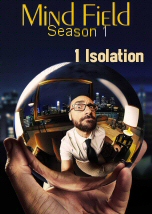


Michael explores the effects of isolation on the human mind by subjecting himself to a very interesting experiment.