The fourth episode of the series takes viewers on a fascinating journey through the unique and diverse landscapes of Australia, a continent that drifted apart during the time of the dinosaurs. Isolated for millions of years, the weird and wonderful animals marooned here are like nowhere else on Earth. From the vast deserts to lush rainforests, this episode showcases the incredible wildlife that calls this continent home. The film highlights the fascinating behaviors and adaptations of Australia's native animals, including the elusive dingo, kangaroos, and the iconic Tasmanian devil. It also sheds light on the challenges these creatures face in a rapidly changing world, emphasizing the impact of human activities on their survival and underscoring the importance of preserving these environments and the incredible creatures that inhabit them. The stunning cinematography and intimate footage capture the beauty and struggles of Australia's wildlife, making this documentary a visual treat and a must-watch for anyone interested in wildlife and conservation.
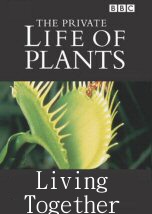
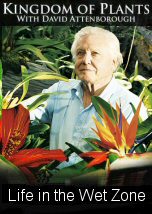
Written and presented by David Attenborough, who said: 'One of the most wonderful things about filming plants is that you can reveal hidden aspects of their lives, you can capture the moment as one plant strangles another, and as they burst into flower. But whilst time-lapse photography allows you to see things that no human being has ever seen before". David begins his journey inside the magnificent Palm House, a unique global rainforest in London. Here, he explores the extraordinary plants that are so well adapted to wet and humid environments and unravels the intimate relationships between wet zone plants and the animals that depend on them. It was in the wet zones of the world that plants first moved on to land and in the Waterlily House David reveals how flowers first evolved some 140 million years ago. Watching a kaleidoscope of breath-taking time-lapses of these most primitive of flowers swelling and blooming in 3D, he is able to piece together the very first evolutionary steps that plants took to employ a wealth of insects to carry their precious pollen for the first time. David discovers clues to answer a question that even had Charles Darwin stumped: how did flowering plants evolve so fast to go on to colonise the entire planet so successfully?
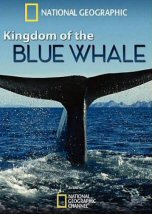
Blue whales are the largest animals to ever live on earth, yet they are difficult to find or track. Even some of the locations where they birth their young are great secrets. Join some of the world's eminent blue whale scientists as they embark on a revolutionary mission to identify and tag California blue whales as they migrate to a spot known as the Costa Rica Dome. This incredible voyage yields unforgettable new footage and insight into these amazing creatures' lives. Scientists use DNA analysis, recordings of whale songs, homing devices, and sea dives to shed light on the blue whale's breeding and birthing habits
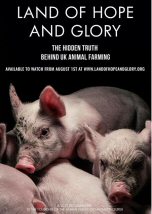
The film is made by the founders of the animal rights organisation Surge: In 2005, a film called Earthlings became the most pivotal documentary of the animal rights movement. Here in the UK however, we found the phrase 'that doesn't happen in our country' coming up far too much. We wanted to set the record straight. Through Land of Hope and Glory we aim to show the truth behind UK land animal farming by featuring the most up to date investigations as well as never before seen undercover footage, with a total of approximately 100 UK facilities featured throughout the film.
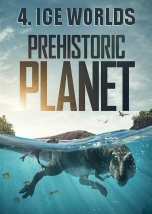
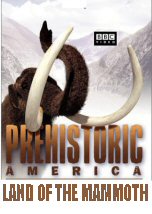
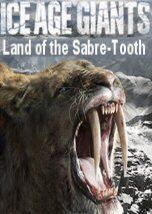
Journey through the long-vanished corners of prehistoric North America, beginning when man first entered the vast, unspoiled continent some 14,000 years ago, in this appealing BBC documentary. Witness ancient beasts, mammoths, mastodons, giant bears, and sabre-toothed cats, and see the legacies each has passed to their modern successors. Computer animation and digital effects bring to life mammoths, saber-toothed cats, giant ground sloths, short-faced bears, glyptodonts, and a plethora of smaller animals in a lush Ice Age mosaic.
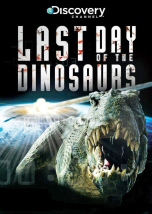
Dinosaurs ruled the earth for 150 million years, then suddenly they were gone. Their disappearance is one of the planet’s greatest mysteries – unimaginable, until now. The film proposes a minute-by-minute chronology of the Chicxulub impact and its effect on the dinosaurs and other animals around the world. A blow-by-blow account of the cataclysm that ended the reign of the dinosaurs, and forever changed the course of life on Earth.








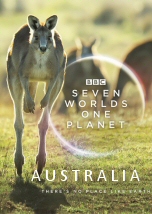


The stunning cinematography and intimate footage capture the beauty and struggles of Australia's wildlife, making this documentary a visual treat and a must-watch for anyone interested in wildlife and conservation.