The film takes the viewer on an exhilarating ride through some of the greatest movies ever made. Serving as presenter and guide is the charismatic Slavoj Zizek, the Slovenian philosopher and psychoanalyst. With his engaging and passionate approach to thinking, Zizek delves into the hidden language of cinema, uncovering what movies can tell us about ourselves. The Pervert's Guide To Cinema offers an introduction into some of Zizek's most exciting ideas on fantasy, reality, sexuality, subjectivity, desire, materiality and cinematic form. Whether he is untangling the famously baffling films of David Lynch, or overturning everything you thought you knew about Hitchcock, Zizek illuminates the screen with his passion, intellect, and unfailing sense of humour. The film applies Zizek's ideas to the cinematic canon, in what The Times calls 'an extraordinary reassessment of cinema.'
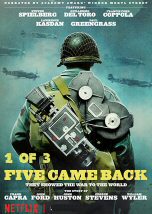
The five directors, John Ford, William Wyler, John Huston, Frank Capra, and George Stevens, return to Hollywood after the war but are forever haunted by what they saw. Ford goes on a drinking bender after filming the carnage at D-Day. Stevens is wholly unprepared for the horrors of Dachau and realizes he is not there to film propaganda but to capture evidence of crimes against humanity. Wyler, who lost his hearing during the war, fears his career is over. Huston chronicles soldiers suffering from postraumatic stress disorder in the film Let There Be Light, only to have it suppressed by the U.S. government.
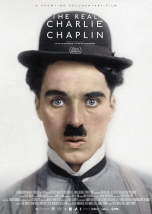
The definitive story of cinema’s most iconic figure, from an impoverished childhood in London through a spectacular rise to fame, until his scandalous fall from grace and a self-imposed exile. His stage persona and incendiary media portrayal defined how he was perceived, but his private life has always been shrouded in mystery - until now. Never-before-heard recordings, intimate home movies and newly restored classic films reveal a side to Chaplin that the world never got to see. Filmmakers Spinney and Middleton shed light on Chaplin’s family life, his contentious relation to the political commotions of the 20th century, and artistic genius.
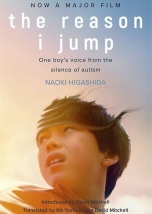
An immersive cinematic experience of nonspeaking autistic people across the world, The Reason I Jump is based on a book written by Naoki Higashida when he was just 13. The film follows a young Japanese boy on a journey through an epic landscape. As a maelstrom of thoughts, feelings, impulses, and memories affects his every action, he gradually discovers what his autism means to him, how his perception of the world differs from others’, and why he acts the way he does—the reason he jumps.
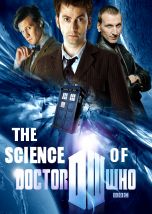
Blowing your mind, that's what Doctor Who's all about. What makes it all so fun is that while all this crazy science fiction is going on, there's actual facts. You've got space travel, you've got time travel, you've got regeneration. These are all the powerful themes of Doctor Who. And they're also the things that drive science forward.
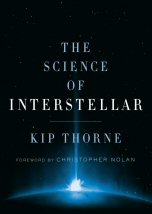
In The Science of Interstellar, Kip Thorne, the physicist who assisted Nolan on the scientific aspects of Interstellar, shows us that the movie's jaw-dropping events and stunning, never-before-attempted visuals are grounded in real science. Thorne shares his experiences working as the science adviser on the film and then moves on to the science itself. In chapters on wormholes, black holes, interstellar travel, and much more, Thorne's scientific insights-many of them triggered during the actual scripting and shooting of Interstellar-describe the physical laws that govern our universe and the truly astounding phenomena that those laws make possible.








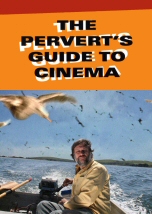



The Pervert's Guide To Cinema offers an introduction into some of Zizek's most exciting ideas on fantasy, reality, sexuality, subjectivity, desire, materiality and cinematic form. Whether he is untangling the famously baffling films of David Lynch, or overturning everything you thought you knew about Hitchcock, Zizek illuminates the screen with his passion, intellect, and unfailing sense of humour. The film applies Zizek's ideas to the cinematic canon, in what The Times calls 'an extraordinary reassessment of cinema.'