The film examines the profound claim that most, if not all, of the degenerative diseases that afflict us can be controlled, or even reversed, by rejecting our present menu of animal-based and processed foods. Despite the most advanced medical technology in the world, we are sicker than ever by nearly every measure. Cases of diabetes are exploding, especially amongst our younger population. About half of us are taking at least one prescription drug and major medical operations have become routine. Heart disease, cancer and stroke are the country's three leading causes of death, even though billions are spent each year to 'battle' these very conditions. Millions suffer from a host of other degenerative diseases. Could it be there's a single solution to all of these problems?
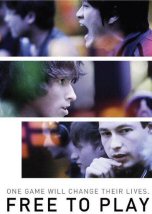
Follow three professional gamers from around the world as they compete for a million dollar prize in the first Dota 2 International Tournament. In recent years, E Sports has surged in popularity to become one of the most widely-practiced forms of competitive sport today. A million dollar tournament changed the landscape of the gaming world and for those elite players at the top of their craft, nothing would ever be the same again
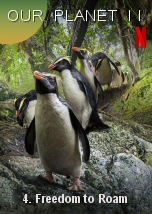
For many animals, the instinct to move is overwhelming, despite the dangers. But for every trip that ends in tragedy, countless millions reach their destination. Allowing them to reap the rewards of better conditions and fresh opportunities. However, we have now changed the planet. Cutting off ancestral routes and impacting even the most remote corners of the globe. But there is hope. We know more about these journeys than ever before. And with our help, many animals are now overcoming the challenges of our modern world. For a healthy and connected planet, we must preserve the freedom to move.
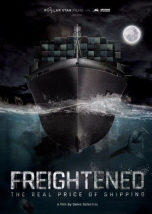
90% of the goods we consume in the West are manufactured in far-off lands and brought to us by ship. The cargo shipping industry holds the key to our economy, our environment and the very model of our civilization; without it, it would be impossible to fulfill the ever-increasing demands of our societies. Yet the functioning and regulations of this business remain largely obscure to many, and its hidden costs affect us all. Due to their size, freight ships no longer fit in traditional city harbors; they have moved out of the public's eye, behind barriers and checkpoints.
The film answers questions such as: Who pulls the strings in this multi-billion dollar business? To what extent does the industry control our policymakers? How does it affect the environment above and below the water-line? And what's life like for modern seafarers? Taking us on a journey overseas and oceans, we reveal in an audacious investigation the many faces of world-wide freight shipping and sheds light on the consequences of an all-but-visible industry.
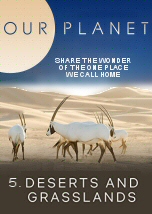
A fifth of the land on our planet is covered by desert. Deserts may appear to be barren and empty, but they are of crucial importance to life. For those that can overcome their challenges they provide a vital refuge. The Grasslands are one of our planet's most productive landscapes. They support the greatest aggregations of large animals on Earth. Cameras follow desert elephants seeking sustenance, bison roaming North American grasslands and caterpillars living the good life underground.
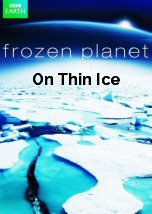
Sir David Attenborough journeys to both Polar Regions to investigate what rising temperatures will mean for the people and wildlife that live there and for the rest of the planet. David starts out at the North Pole, standing on sea ice several metres thick, but which scientists predict could be Open Ocean within the next few decades. The Arctic has been warming at twice the global average, so David heads out with a Norwegian team to see what this means for polar bears. He comes face-to-face with a tranquilised female, and discovers that mothers and cubs are going hungry as the sea ice on which they hunt disappears. In Canada, Inuit hunters have seen with their own eyes what scientists have seen from space; the Arctic Ocean has lost 30% of its summer ice cover over the last 30 years. For some, the melting sea ice will allow access to trillions of dollars worth of oil, gas and minerals. For the rest of us, it means the planet will get warmer, as sea ice is important to reflect back the sun's energy. Next David travels to see what's happening to the ice on land: in Greenland, we follow intrepid ice scientists as they study giant waterfalls of meltwater, which are accelerating iceberg calving events, and ultimately leading to a rise in global sea level. Temperatures have also risen in the Antarctic - David returns to glaciers photographed by the Shackleton expedition and reveals a dramatic retreat over the past century. It's not just the ice that is changing - ice-loving adelie penguins are disappearing, and more temperate gentoo penguins are moving in. Finally, we see the first ever images of the largest recent natural event on our planet - the break up of the Wilkins Ice Shelf, an ice sheet the size of Jamaica, which shattered into hundreds of icebergs in 2009.














Despite the most advanced medical technology in the world, we are sicker than ever by nearly every measure. Cases of diabetes are exploding, especially amongst our younger population. About half of us are taking at least one prescription drug and major medical operations have become routine. Heart disease, cancer and stroke are the country's three leading causes of death, even though billions are spent each year to 'battle' these very conditions. Millions suffer from a host of other degenerative diseases. Could it be there's a single solution to all of these problems?