Our blue planet is facing one its biggest threats in human history. Trillions of pieces of plastic are choking the very lifeblood of our earth, and every marine animal, from the smallest plankton to the largest mammals, is being affected. But can we turn back this growing plastic tide before it is too late? Wildlife biologist Liz Bonnin visits scientists working at the cutting edge of plastics research. She works with some of the world's leading marine biologists and campaigners to discover the true dangers of plastic in our oceans and what it means for the future of all life on our planet, including us. Liz travels to a remote island off the coast of Australia that is the nesting site for a population of seabirds called flesh-footed shearwaters. Newly hatched chicks are unable to regurgitate effectively, so they are filling up on deadly plastic. She visits the Coral Triangle that stretches from Papua New Guinea to the Solomon Islands to find out more from top coral scientists trying to work out why plastic is so lethal to the reefs, fragile ecosystems that contain 25 per cent of all marine life.
We're transported to Atka Bay on the frigid coast of Antarctica, where a magnificent colony of emperor penguins embarks on a jaw-dropping journey. These remarkable birds, after three months of oceanic feasting, return to the frozen continent as the waters freeze over. What makes their story even more gripping is that they are the last inhabitants of Antarctica, as other wildlife has wisely retreated to the safer sea. Narrated by David Attenborough, this extraordinary documentary immerses you in an epic saga of survival, fierce parenting, and unwavering tenacity. Join these resilient penguins as they confront the harshest conditions on Earth, embarking on an unforgettable adventure deep within the icy heart of the wilderness.
In this visually stunning exploration, Herzog travels to the Antarctic community of McMurdo Station, headquarters of the National Science Foundation and home to 1,100 people during the austral summer (Oct-Feb). Over the course of his journey, Herzog examines human nature and Mother nature, juxtaposing breath taking locations with the profound, surreal, and sometimes absurd experiences of the marine biologists, physicists, plumbers, and truck drivers who choose to form a society as far away from society as one can get.
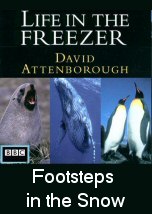
This episode discusses the human exploration of Antarctica, in particular the mission led by Captain Robert Falcon Scott, whose team died on the way back from the South Pole. It shows the scientific work in the modern human bases in Antarctica, especially Mawson Base and its observation of Adelie Penguins (partially through tracking devices). The second half of the episode describes how the series was made. Most crucial was of course the camera work. To get access to the wildlife of the sea, for example, boats, divers, suspended capsules and remotely controlled cameras mounted on inflatables were used. Particularly dangerous to divers were Leopard Seals and other predators. The film concludes that although working in Antarctica is now much easier than during the early days of exploration, human footsteps on the continent are still exceedingly rare in part because of international treaties prohibiting industrial exploitation.
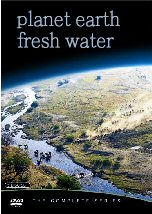
Fresh water is our most precious resource and it defines the distribution of life on land. Follow the descent of rivers from their mountain sources to the sea. Watch spectacular waterfalls, fly inside the Grand Canyon and explore the wildlife below the ice in the world's deepest lake. Witness unique and dramatic moments of animal behaviour: a showdown between smooth-coated otters and mugger crocodiles; deep-diving long tailed macaques; massive flocks of snow geese on the wing and a piranha frenzy in the perilous waters of the world's largest wetland.
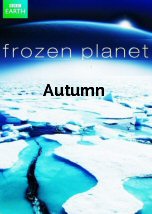
For the animals in the polar regions, autumn means dramatic battles and epic journeys. Time is running out - the Arctic Ocean is freezing over and the sea ice is advancing at 2.5 miles per day around Antarctica. Polar bears gather in large numbers on the Arctic coast as they wait for the return of the ice. Soon, tempers fray and violent sparring contests break out. Meanwhile 2,000 beluga whales head for one special estuary, a gigantic 'whale spa' where they will thrash their snow-white bodies against the gravel and exfoliate. Inland, the tundra undergoes a dramatic transformation from green to fiery red. Here, musk ox males slam head-first into each other with the force of a 30mph car crash as they struggle to defend their harems. Frisky young caribou males play a game of 'grandma's footsteps' as they try to steal the boss's female. Down in Antarctica, Adelie penguin chicks huddle together in creches. When a parent returns from fishing, it leads its twins on a comical steeplechase - sadly there's only enough for one, so the winner gets the meal. Two months later and the chicks are fully feathered apart from downy Mohican hairdos - they're ready to take their first swim - reluctantly though, as it seems penguins are not born with a love of water! And with good reason - a leopard seal explodes from the sea and pulls one from an ice floe, a hunting manoeuvre that has never been filmed before. As winter approaches and everyone has left, the giant emperor penguin arrives and makes an epic trek inland to breed. The mothers soon return to the sea leaving the fathers to hold the eggs and endure the coldest winter on earth.
















Liz travels to a remote island off the coast of Australia that is the nesting site for a population of seabirds called flesh-footed shearwaters. Newly hatched chicks are unable to regurgitate effectively, so they are filling up on deadly plastic. She visits the Coral Triangle that stretches from Papua New Guinea to the Solomon Islands to find out more from top coral scientists trying to work out why plastic is so lethal to the reefs, fragile ecosystems that contain 25 per cent of all marine life.