









Last Watched

"Cult"  Sort by

Escape to Europe and Cycle of Terror

   2015    Culture
This episode covers the European refugee crisis, the largest refugee migration since World War II. Following the refugees on their journey, Vice sets out to cover not only the trials of those seeking asylum from the Syrian conflict, but the reactions from the Western world and the countries that have sought to take them in. Unfortunately, but perhaps not surprisingly, the response in many regions has been oppositional, especially in the aftermath of the Paris and Brussels ISIS attacks. In addressing this modern world crisis, Vice depicts the severe trials and tribulations faced by the desperate refugees, and the consequences, noticed or unnoticed, of turning them away.
Series: Vice

Escaping ISIS

   2015    Culture
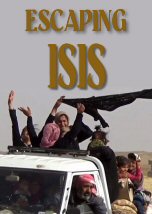
In August 2014, ISIS militants raided a Yazidi village in Syria, kidnapping thousands of men, women and children. Hundreds of the kidnapped men were killed or forced to convert to Islam; the women and children were sold as sex slaves or to marry ISIS fighters. Many were raped or became victims of other forms of sexual violence. Escaping ISIS depicts 34 of those captured by militants last year — mostly women and young children — reuniting with their families as they escape to freedom". Some victims were brought to freedom through underground networks, guides inside ISIS and resistance fighters. Women contacted the resistance fighters, begging for rescue; some said the alternative is committing suicide. Many escapees walk for several days with little food and water, often barefoot, risking getting recaptured and killed. One resistance fighter was shot in the back of the head in ISIS territory after they found out that he was working against them. The documentary shows parts of this treacherous journey to freedom.

European Meltdown. Chinese Cockblock

   2013    Culture
Chinese 'Cockblock'. In China, where marrying-age men outnumber women by the millions, discover the lucrative business catered to matchmaking and the bachelors who use such services. 'European Meltdown' With their economy in the toilet and no jobs to be had, Europe's youth are taking to the streets to demand radical changes.
Series: Vice

Ex Libris: The New York Public Library

   2017    Culture
The film takes viewers behind the scenes of one of the world’s greatest institutions of learning. The film examines how this legendary establishment has continued to go about its regular activities while adapting to the digital revolution. 'Ex Libris: The New York Public Library' explains how libraries inform and educate in many ways: books, concerts, conferences, classes and much more. This library strives to inspire the study of advanced knowledge and to strengthen the community.

Expedition Asteroid

   2018    Science
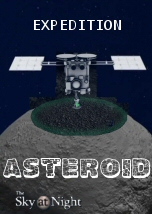
A look at two missions attempting one of the most difficult feats of space exploration - to collect a rock from another world. The film checks in on the US and Japanese attempts to bring a piece of an asteroid back to Earth. The missions have taken decades of planning, but the results will be worth it. We find out how studying these space rocks can teach us about the origins of our solar system and may one day help save Earth from a catastrophic collision.
Series: The Sky at Night

Extinction: The Facts

   2020    Nature
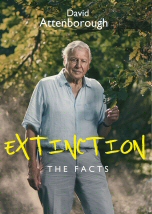
With a million species at risk of extinction, Sir David Attenborough explores how this crisis of biodiversity has consequences for us all, threatening food and water security, undermining our ability to control our climate and even putting us at greater risk of pandemic diseases.
Everything in the natural world is connected in networks that support the whole of life on earth, and we are losing many of the benefits that nature provides to us. The loss of insects is threatening the pollination of crops, while the loss of biodiversity in the soil also threatens plants growth.
Last year, a UN report identified the key drivers of biodiversity loss, including overfishing, climate change and pollution. But the single biggest driver of biodiversity loss is the destruction of natural habitats. Seventy-five per cent of Earth's land surface (where not covered by ice) has been changed by humans, much of it for agriculture, and as consumers we may unwittingly be contributing towards the loss of species through what we buy in the supermarket. Human activities like the trade in animals and the destruction of habitats drive the emergence of diseases. Disease ecologists believe that if we continue on this pathway, this year’s pandemic will not be a one-off event.