Acquitted in life, back on trial after death. The film takes an investigative look into the legal battles of the global superstar. Close friends, former staff and researchers paint an intimate portrait of Jackson's complicated world and put allegations of abuse under the microscope. 'Michael Jackson: Chase the Truth' defends the singer against allegations of child sexual abuse made by Wade Robson and James Safechuck in the 2019 documentary Leaving Neverland. It focuses on research from biographer and journalist Mike Smallcombe and statements by Jackson's former bodyguard Matt Fiddes and actor Mark Lester. Fiddes and Smallcombe assert that allegations made against Jackson always had a financial incentive.
The film explores the revolutionary gene-editing tech now giving humankind the freedom to redraw the blueprint of biological life itself. We investigate not only the tremendous potential the technology holds, whether in the fight to eliminate diseases or in transforming agriculture to adapt to unprecedented climate extremes, but also probe the inherent risks involved and the potential for widespread abuse, dangers that could take our future down a very dark, dystopian path.
Director Chris Bell turns his camera on the abuse of prescription drugs and, ultimately, himself. After witnessing friends and relatives face tragedy as they become addicted to prescription drugs, Bell sets out to explore the goals of pharmaceutical companies and doctors in this ever-growing market, and asks how they are any different from back-alley drug-pushers. His journey leads to experts on the nature of addiction in our culture, as well as to pharmaceutical whistleblowers that testify to the solely dollar-driven aims of pharmaceutical companies.
Six midwestern men all survivors of childhood sexual assault at the hands of Catholic priests and clergy come together to direct a drama therapy-inspired experiment designed to collectively work through their trauma. As part of a radically collaborative filmmaking process, they create fictional scenes based on memories, dreams and experiences, meant to explore the church rituals, culture and hierarchies that enabled silence around their abuse. In the face of a failed legal system, we watch these men reclaim the spaces that allowed their assault, revealing the possibility for catharsis and redemption through a new-found fraternity.
In the heart of America's opioid epidemic, four men attempt to reinvent their lives and reenter society sober after years of drug abuse. Recovery Boys, from director Elaine McMillion Sheldon, is an intimate look at the strength, brotherhood, and courage that it takes to overcome addiction and lays bare the internal conflict of recovery and the external hurdles of an unforgiving society.
‘Sugarcane’ is a compelling 2024 documentary that delves into the harrowing legacy of the Canadian Indian residential school system. The film investigates the discovery of unmarked graves at St. Joseph's Mission near Williams Lake, British Columbia, bringing to light the physical and sexual abuses endured by Indigenous children. Through intimate interviews with survivors and their descendants, directors Julian Brave NoiseCat and Emily Kassie reveal the enduring impact of these institutions on Indigenous communities, highlighting their resilience and ongoing quest for justice. The narrative intertwines personal stories with a broader historical context, showcasing the strength and unity of a community confronting its painful past. ‘Sugarcane’ not only exposes the atrocities committed but also celebrates the enduring spirit of Indigenous peoples as they heal and reclaim their cultural identity. This poignant film serves as a testament to their perseverance and the ongoing fight for recognition and reconciliation.














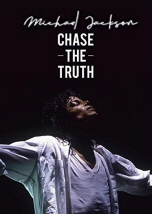











'Michael Jackson: Chase the Truth' defends the singer against allegations of child sexual abuse made by Wade Robson and James Safechuck in the 2019 documentary Leaving Neverland. It focuses on research from biographer and journalist Mike Smallcombe and statements by Jackson's former bodyguard Matt Fiddes and actor Mark Lester. Fiddes and Smallcombe assert that allegations made against Jackson always had a financial incentive.