The sun gives us warmth and light. It is the fuel of life. Without the energy of the sun almost nothing grows, thrives or lives. But the sun was not put there for our benefit. It is not this big jolly ball of nice smiling down on us, wishing us all a good day. It is not our friend. The sun is a monster. A planet killer. And we don't see that side of the sun down here. But eight astronauts, with over 1,000 days in space between them, can show us how being up there helped them understand the suns bright fury.
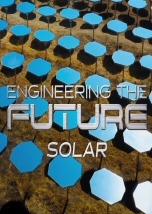
We face one of the greatest challenges in the history of humanity, to eliminate the fuels that have driven progress and technology for over a century, while our thirst for energy only grows. The sun is the biggest source of energy in the solar system. It's like a nuclear reactor in the sky, and it provides endless power. If we can harvest just fractions of this, it can power all our consumption. Innovators are searching for new ways to capture more of the sun’s power, and make it available through the night, everywhere.
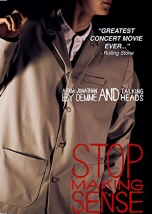
Over the course of three nights at Hollywood's Pantages Theater in December 1983, filmmaker Jonathan Demme joined creative forces with Jordan Cronenweth and Talking Heads... and miracles occurred. Following a staging concept by singer-guitarist David Byrne, this euphoric concert film transcends that all-too-limited genre to become the greatest film of its kind. A guaranteed cure for anyone's blues, it's a celebration of music that never grows old, fueled by the polyrhythmic pop-funk precision that was a Talking Heads trademark, and lit from within by the geeky supernova that is David Byrne. This circus of musical pleasure defies the futility of reductive description; it begs to be experienced, felt in the heart, head, and bones, and held there the way we hold on to cherished memories. On those three nights in December 1983, Talking Heads gave love, life, and joy in generous amounts that years cannot erode, and Demme captured this act of creative goodwill on film with minimalist artistic perfection. Stop Making Sense is an invitation to pleasure that will never wear out its welcome.
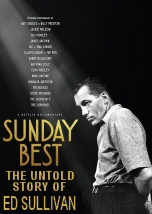
On Sunday nights, one television host quietly changed America. At the height of segregation, he broke barriers by giving Black musicians and performers a national stage, challenging prejudice in front of millions. His show became a cultural turning point—introducing groundbreaking acts to households across the country and inspiring generations. Through rare archival footage and candid interviews, this documentary reveals how his bold choices reshaped popular culture, fueled the fight for equality, and cemented a legacy that still echoes today.
Inside one of America’s deadliest prison systems, a group of incarcerated men defy fear and isolation to reveal the truth hidden behind concrete walls. Through smuggled footage, letters, and interviews, they expose a network of corruption, abuse, and systemic neglect that has claimed countless lives. Their courage turns confinement into resistance, transforming their voices into weapons against silence. As investigations deepen, the film uncovers how the state’s drive for profit fuels overcrowding, forced labor, and violence — conditions that thrive in secrecy. What begins as a story of survival becomes a powerful quest for justice, giving a face and a voice to those the system tried to erase.
Fueled by a ruthless and maniacal ambition to conquer Central Japan, Nobunaga has destroyed many enemies who have underestimated him. His vicious military campaigns to weaken the powerful Buddhist institutions have turned large swathes of the population against him. As Nobunaga's cruelty intensifies, some generals begin to question his command, leading to a betrayal that alters the political landscape forever.























But eight astronauts, with over 1,000 days in space between them, can show us how being up there helped them understand the suns bright fury.