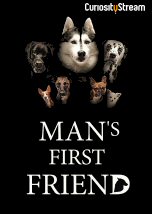
We call them 'man’s best friend', but their story is almost as old as man himself. Our very first friend in the world, they have walked by our side for over 20,000 years, helping us to hunt for food and offering us companionship and protection. Man’s First Friend is an epic new primetime documentary event that combines natural history, science and anthropology to explore the enduring relationship between humankind and dogs, how the two species have co-evolved together, where did they come from to take such a prominent position in our lives, and how did we learn to harness their unique talents. The film takes viewers on an extraordinary journey through some of the most remote locations in the world to answers these questions and more. It highlights what dogs are capable of: from the Pariah dog in India who protects her owner’s banana plantations from daily attacks by Black-headed Monkeys; to Kenyan Bloodhounds trained to track ivory poachers. Dogs comfort us, relieving loneliness and helping us cope with old age.
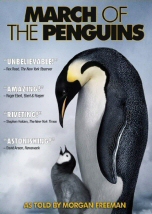
At the end of each Antarctic summer, the emperor penguins of the South Pole journey to their traditional breeding grounds in a fascinating mating ritual that is captured in this documentary by intrepid filmmaker Luc Jacquet. The journey across frozen tundra proves to be the simplest part of the ritual, as after the egg is hatched, the female must delicately transfer it to the male and make her way back to the distant sea to nourish herself and bring back food to her newborn chick.
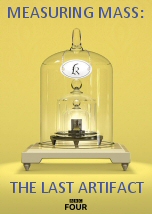
Just outside Paris, inside a hi-tech vault, and encased in three vacuum-sealed bell jars, rests a small metallic cylinder about the diameter of a golf ball. It may not look like much, but it is one of the most important objects on the planet. It affects nearly every aspect of our lives including the food we eat, the cars we drive, even the medicines we take. It is the Kilogramme, the base unit of mass in the International System of Units. Yet over time, its mass has mysteriously eroded by the weight of an eyelash. A change that, unbeknownst to most, unleashed a crisis with potentially dire consequences. The film follows the ensuing high-stakes, two-year race to redefine the weight of the world, and tells the story of one of the most important objects on the planet.
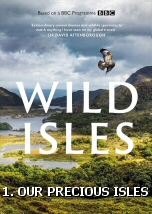
In the first episode, Sir David Attenborough reveals the unexpected wildlife riches of the British Isles, showcasing the dramatic and spectacular habitats that rival any across the globe. This journey uncovers the diversity of life in the UK's unique landscapes, from the intricate world of bumblebees to the swift lives of kingfishers. The episode captures extraordinary scenes of nature, including killer whales preying on seals, golden eagles in the Scottish mountains, the cunning tactics of woodland plants, and the perilous life of puffins evading gulls. It highlights Britain's geological diversity as a cornerstone of its natural wealth, contributing to an array of habitats and supporting a wide range of life. Britain's importance extends to being a haven for migratory birds, with our seas feeding 65% of the world's gannets and supporting the largest colony of northern gannets on Scotland's Bass Rock. The west coast of Scotland offers sanctuary to barnacle geese due to its abundant food and mild climate, though they remain vigilant against hunting sea eagles. Despite these natural treasures, Britain faces challenges as one of the most nature-depleted countries globally. Sir David Attenborough emphasizes the need to conserve and restore these wild isles for the enjoyment and benefit of future generations.
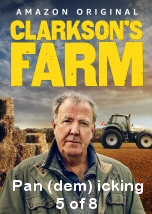
As Covid-19 puts Britain on lockdown, Jeremy Clarkson suddenly finds that his biggest worries aren’t all related to the upcoming lambing season. 'If you're involved in food production, you are key worker. We're gonna save the nation!... I've smoked a million cigarettes and I've had pneumonia. If I get it , there's not a lot of hope... Am I panic buying? I bought five tins of sardines the other day'.
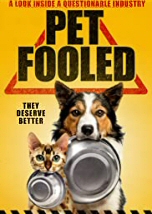
The film investigates the inner workings inside the commercial pet food industry, which has went largely unchallenged until now and Pet Fooled is made with an aim to expose its secrets and lack of transparency. Marketed toward humans, but made for consumers who can’t speak, pet food companies have learned how to navigate through verbiage and loopholes. The end result is a product that’s cheap and easy for them to make, while buyers are promised that they’re giving 'quality,' 'healthy,' and 'nutritious' food to their pets. Some veterinary professionals in the film link modern ailments found in pets, such as obesity and allergies, to diet. Insights and knowledge are shared by multiple interviewees, including Dr. Karen Becker of Mercola Healthy Pets, Dr. Barbara Royal, founder of The Royal Treatment Veterinary Center and Oprah Winfrey’s veterinarian, Susan Thixton, founder of Truthaboutpetfood.com.








The film takes viewers on an extraordinary journey through some of the most remote locations in the world to answers these questions and more. It highlights what dogs are capable of: from the Pariah dog in India who protects her owner’s banana plantations from daily attacks by Black-headed Monkeys; to Kenyan Bloodhounds trained to track ivory poachers. Dogs comfort us, relieving loneliness and helping us cope with old age.