Professor Brian Cox tackles some of the most challenging and intriguing questions facing science. He looks back on a decade of discovery and towards the next space frontier. Brian believes we are at the start of a new age of space travel, where space flight is on the verge of becoming routine. In this episode, he explores the latest science and takes a new look at his old films and asks: how far can we go in our exploration of the cosmos?
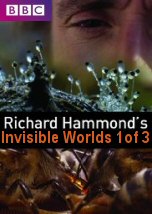
Richard Hammond explores the extraordinary wonders of the world of detail hidden in the blink of an eye. It takes our brain around a hundred and fifty milliseconds to process what we see. We're not aware of this time lag going on, but in those few milliseconds, there are extraordinary things happening that completely pass us by. But what if we could break through this speed limit? Bend and stretch time in ways never thought possible. What new marvels would we see? Now, using the latest high-speed cameras, Richard takes us on a journey beyond our eye's limits, letting us see secrets hidden in every element of our planet. A world where thin air can shatter rock. And water can tear through metal. A world where the fastest thing on earth lies right beneath our feet. And where a spectacular celestial display is finally captured, even though many have claimed it doesn't even exist.
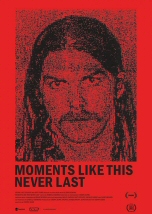
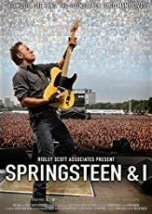
A unique feature music documentary celebrating a rock 'n' roll icon: Bruce Springsteen. Working with the filmmakers, Springsteen's fans have helped create a film that reflects on their personal insights and experiences to explore what this timeless artist means to them. Their stories are at times touching, at times humorous, at times extraordinary and they all come from the heart. Combined with previously unseen archive footage of performances throughout Springsteen's career, this is a film by the fans and for the fans created with the full support of Bruce Springsteen.
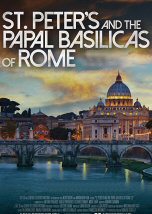
After the success of Florence and the Uffizi, a new film production by Sky 3D and the Vatican Television Centre, taking you on a journey through the four Papal Basilicas in Rome and their treasures: St. Peter’s (one of the 25 destinations most visited by travellers from all over the world), St. John in the Lateran, St. Mary Major and St. Paul Outside the Walls. Four majestic buildings – each with a precious papal altar, each a treasure trove of timeless works of art and a destination for millions of travellers and pilgrims over the centuries – play the leading role in a new film tour that has been recognized as a work of cultural interest by the film board of the Ministry of Culture, Heritage and Tourism.
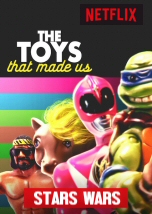
In this curious series, the minds behind history's most iconic toy franchises will discuss the rise (and sometimes fall) of their billion-dollar creations. In 1977, after being rejected by Mattel and Hasbro, Lucasfilm signed with Kenner Products to have toys produced for their sci-fi film Star Wars. This was a huge gamble, as Kenner was a small toy company at the time and the negotiation process started late due to George Lucas' secrecy over the ship designs. Since then, toy sales of the Star Wars franchise have totaled to US$14 billion worldwide.
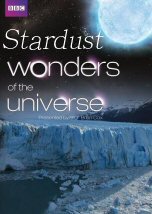
In the second stop in his exploration of the wonders of the universe, Professor Brian Cox goes in search of humanity's very essence to answer the biggest questions of all: what are we? And where do we come from? This film is the story of matter - the stuff of which we are all made. Brian reveals how our origins are entwined with the life cycle of the stars. But he begins his journey here on Earth. In Nepal, he observes a Hindu cremation. Hindu philosophy is based on an eternal cycle of creation and destruction, where the physical elements of the body are recycled on to the next stage. Brian draws a parallel with the life cycle of the stars that led to our own creation. Next, he explains how the Earth's resources have been recycled through the ages. How every atom that makes up everything we see, was at some time a part of something else. Our world is made up of just 92 elements, and these same 92 elements are found throughout the entire universe. We are part of the universe because we are made of the same stuff as the universe.




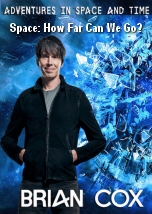


Brian believes we are at the start of a new age of space travel, where space flight is on the verge of becoming routine. In this episode, he explores the latest science and takes a new look at his old films and asks: how far can we go in our exploration of the cosmos?