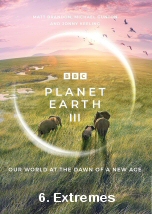
Explore the breathtaking extremes of our planet in this captivating episode. Journey through the vast Hang Son Doong cave in Vietnam, the largest on Earth. Witness the resilience of life in harsh conditions, marvel at the adaptation strategies of species like the blind cave fish and the enduring Arctic wolf pack. In the Arctic, observe the strategic hunt of wolves preying on musk oxen, a dance as old as the Ice Age. In the French Alps, the struggle for mating among common frogs unfolds, showcasing the urgency and challenges faced by cold-blooded animals. Witness the social dynamics of Barbary macaques in the cedar forests of the Atlas Mountains, where survival hinges on social bonds. The forests of Mexico, home to millions of monarch butterflies that huddle for warmth, illustrates the fragility and beauty of nature. Discover how fire shapes ecosystems in South Africa's fynbos and Northern Australia, crucial for the survival of species like the golden-shouldered parrot. The documentary poignantly addresses the impact of changing climates and human intervention on wildlife, from the endangered elephants of Amboseli, Kenya, to the secretive snow leopards of the Gobi Desert. This episode offers a profound glimpse into the extraordinary adaptations and challenges faced by wildlife across the globe, reminding us of the delicate balance and beauty of life on Earth.
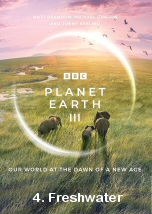
Covering one tenth of all species on the planet, Freshwater is a rich, diverse habitat filled with never-ending surprises. The fourth episode is set beneath the Yucatan Peninsula and spanning diverse locations like the rainforests of Costa Rica and the Kalahari Desert and presents a vivid exploration of how freshwater shapes life on Earth. The narrative journeys through the unique breeding rituals of gliding tree frogs in Costa Rica, the strategic hunting methods of mugger crocodiles in Sri Lanka, and the astonishing adaptations of wildlife in the Okavango Delta. It highlights the critical role of freshwater in supporting diverse ecosystems, from the teeming fish species in Lake Malawi to the perilous journey of gobies in Bioko. The episode also addresses human impact, showcasing the extensive irrigation system in Pakistan and its unintended consequences on local wildlife, like the endangered Indus river dolphin. This captivating chapter not only showcases nature's marvels but also underscores the delicate balance between human needs and wildlife conservation.
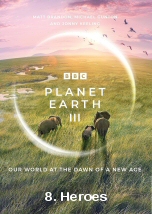
In this captivating final episode of the series we meet some incredible conservation champions on nature's front line, fighting to preserve the future of our beautiful planet. The episode opens with a dramatic rescue operation for the critically endangered black rhino, showcasing the efforts of Dumi Zwane and his team to establish a new breeding colony in a safe haven. The focus then shifts to the Centro Jambatu research center in the Andes, where Jaime Culebras works tirelessly to save the last of certain frog species. The documentary also highlights the efforts of Trang Nguyen, who bravely infiltrates the illegal wildlife trade in West Africa to protect forest elephants from ivory poachers. Meanwhile, in Vienna, Katharina Huchler undertakes a remarkable journey to reintroduce the northern bald ibis to Europe after its extinction 400 years ago. Indigenous leader Alessandra Korap's battle to preserve the Amazon rainforest from exploitation is a key focus, alongside Mohamed Nasheed's fight against climate change to save coral reefs and his country. This episode addresses the broader issue of habitat destruction, emphasizing its role as a primary driver of extinction. It poignantly demonstrates the interconnectivity of life on Earth and the critical importance of conservation efforts.
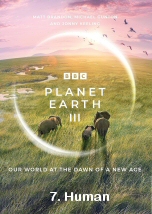
This featured episode of the documentary series takes viewers on a captivating journey around the world, showcasing the astonishing ways in which animals adapt to living alongside humans. In Sauraha, Nepal, a rhino navigates through human-inhabited areas in search of food. In Bali, long-tailed macaques have learned to trade stolen items for food, demonstrating their intelligence and adaptability. The bustling streets of New York City are home to pavement ants that thrive on human leftovers, while in India, revered cobras coexist with humans in a unique cultural relationship. Melbourne, Australia, features nocturnal frogmouths benefiting from urban lighting for hunting, and Lake Tahoe in North America sees black bears adapting to easy food sources in human settlements. The documentary also delves into the challenges faced by wildlife due to human expansion and climate change. It highlights the plight of African elephants in Kenya conflicting with farmers, the impact of overfishing on humpback whales in Vancouver Island, and the dramatic increase of desert locusts in northeastern Africa due to climate-induced conditions. The episode concludes by emphasizing the importance of reimagining our relationship with nature. It suggests a shift towards plant-based diets to reduce agricultural land use and the potential of vertical farming technologies, offering hope and solutions for a sustainable coexistence with wildlife.
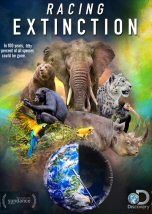
A team of artists and activists exposes the hidden world of extinction with never-before-seen images that will change the way we see the planet. Two worlds drive extinction across the globe, potentially resulting in the loss of half of all species. The international wildlife black market at the expense of creatures that have survived on this planet for millions of years. And the other surrounds us, hiding in plain sight — a world that the oil and gas companies don’t want the rest of us to see. Using covert tactics and state-of-the-art technology, the Racing Extinction team exposes these two worlds in an inspiring affirmation to preserve life as we know it.
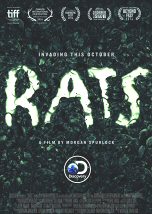
The film goes deep beneath the surface to explore the lives of man's greatest parasite. Morgan Spurlock unveils a new form of documentary horror storytelling, journeying around the world to bring viewers face to face with rats while delving into our complicated relationship with these creepy creatures. Taking us into the rats nests in ways never before captured on film, RATS dives deep into New York City's parks, subway tunnels, and sewers; venture to rice paddies in Cambodia and Vietnam where rats are caught and sold as food, cross worldly streets in India paroled by the revered Night Rat Killers, journey to English countryside where packs of terriers kill hundreds of rats per day, and look inside a New Orleans lab, where scientists are studying how flooding and abandoned neighbourhoods are making rats more invasive than ever.



















Discover how fire shapes ecosystems in South Africa's fynbos and Northern Australia, crucial for the survival of species like the golden-shouldered parrot. The documentary poignantly addresses the impact of changing climates and human intervention on wildlife, from the endangered elephants of Amboseli, Kenya, to the secretive snow leopards of the Gobi Desert. This episode offers a profound glimpse into the extraordinary adaptations and challenges faced by wildlife across the globe, reminding us of the delicate balance and beauty of life on Earth.