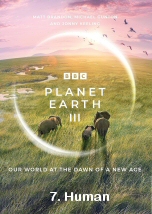
This featured episode of the documentary series takes viewers on a captivating journey around the world, showcasing the astonishing ways in which animals adapt to living alongside humans. In Sauraha, Nepal, a rhino navigates through human-inhabited areas in search of food. In Bali, long-tailed macaques have learned to trade stolen items for food, demonstrating their intelligence and adaptability. The bustling streets of New York City are home to pavement ants that thrive on human leftovers, while in India, revered cobras coexist with humans in a unique cultural relationship. Melbourne, Australia, features nocturnal frogmouths benefiting from urban lighting for hunting, and Lake Tahoe in North America sees black bears adapting to easy food sources in human settlements. The documentary also delves into the challenges faced by wildlife due to human expansion and climate change. It highlights the plight of African elephants in Kenya conflicting with farmers, the impact of overfishing on humpback whales in Vancouver Island, and the dramatic increase of desert locusts in northeastern Africa due to climate-induced conditions. The episode concludes by emphasizing the importance of reimagining our relationship with nature. It suggests a shift towards plant-based diets to reduce agricultural land use and the potential of vertical farming technologies, offering hope and solutions for a sustainable coexistence with wildlife.
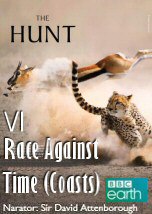
The coast is the dynamic border between land and sea; powered by the tides and thrashed by waves, this is a world of continuous change. Opportunities never last long here, so hunters are always in a race against time. The coast is the only place on the planet where predators from air, land and sea come together. Dolphins that leave the safety of the sea to fish, walking octopuses, ingenious monkeys, fishing wolves and the greatest gathering of feeding humpback whales come to the coast to hunt. For all, timing is everything.
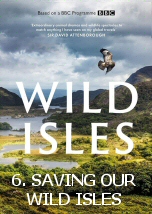
Extraordinary. Dramatic. Beautiful. The series exposes the wonders of British wildlife. It's our home, as you've never seen it before. David Attenborough celebrates Britain's wildlife that is as dramatic and spectacular as any he's seen abroad and reveals why it is globally important for nature. In this special documentary commissioned by the RSPB, WWF and National Trust and inspired by Wild Isles, we meet passionate people trying to restore nature to the British Isles.
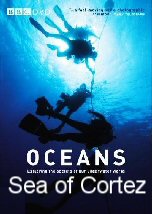
The Sea of Cortez, also known as the Gulf of California, is a unique corner of the Pacific Ocean. This remarkable young sea is thought to be around five million years old and home to nearly 900 species of fish and the widest variety of whales and dolphins found anywhere on Earth. Some of the greatest changes threatening the world's oceans today can be seen in this stretch of water.
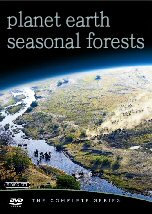
The Taiga forest, on the edge of the Arctic, is a silent world of stunted conifers. The trees may be small but filming from the air reveals its true scale. A third of all trees on Earth grow here and during the short summer they produce enough oxygen to change the atmosphere. In California General Sherman, a giant sequoia, is the largest living thing on the planet, ten times the size of a blue whale. The oldest organisms alive are bristlecone pines. At more than 4,000 years old they pre-date the pyramids. But the baobab forests of Madagascar are perhaps the strangest of all.
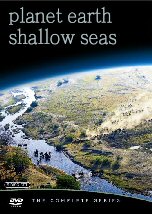
A humpback whale mother and calf embark on an epic journey from tropical coral paradises to storm ravaged polar seas. Newly discovered coral reefs in Indonesia reveal head-butting pygmy seahorses, flashing 'electric' clams and bands of sea kraits, 30-strong, which hunt in packs. Elsewhere plagues of sea urchins fell forests of giant kelp. Huge bull fur seals attack king penguins, who despite their weight disadvantage, put up a spirited defence.
















Melbourne, Australia, features nocturnal frogmouths benefiting from urban lighting for hunting, and Lake Tahoe in North America sees black bears adapting to easy food sources in human settlements. The documentary also delves into the challenges faced by wildlife due to human expansion and climate change. It highlights the plight of African elephants in Kenya conflicting with farmers, the impact of overfishing on humpback whales in Vancouver Island, and the dramatic increase of desert locusts in northeastern Africa due to climate-induced conditions.
The episode concludes by emphasizing the importance of reimagining our relationship with nature. It suggests a shift towards plant-based diets to reduce agricultural land use and the potential of vertical farming technologies, offering hope and solutions for a sustainable coexistence with wildlife.