A powerful movement is exploiting our fears, persuading some to believe the vaccine was designed to control or even kill us. Who are the people behind the international anti-Covid-vaccine movement and why are they doing it? In the anti-vax movement - where is the money? The money comes from a small but very well-heeled network of donors and philanthropists who fund anybody reinforcing their opinions. The film is a journey inside the astonishing world of the anti-vaxxers.
Of all the diseases that plague humankind, malaria has put up one of the longest, toughest fights. More than 200 million people fall ill and 600,000 die of it every year, making it among the world’s deadliest diseases. The vast majority of those fatalities are young children - an average of one child every minute. But medical science may now be at an exciting turning point. Filmed with intimate access to key scientists on four continents, this documentary tells the inside story of the development of a new malaria vaccine that could change the very nature of the fight. It's hoped that the vaccine, dubbed R21/Matrix-M and developed by many of the same team behind the Oxford/AstraZeneca Covid-19 vaccine, will be the first to meet the World Health Organization’s target of 75 per cent efficacy.
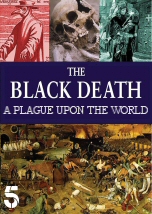
In an enthralling documentary, Dan Snow and archaeologist Raksha Dave delve into the catastrophic impact of the Black Death on Britain 700 years ago, a pandemic that extinguished around half of the population, or three million people. The duo embarks on a journey to trace the origins and merciless spread of the plague, starting from its arrival on Britain's South coast in June 1348, through the bustling trade routes that brought the disease to Melcombe Regis, Dorset. Their investigation takes them to various hotspots of the outbreak, including the Old Operating Theatre in London and Wildwood Animal Sanctuary in Kent, where they explore the role of rats in dispersing the bubonic plague. Through dramatic reconstructions and visits to places like Nottingham University's biomedical laboratories, they uncover the rapid spread and deadly impact of the plague, offering a month-by-month account of how it ravaged the country, decimating cities, towns, and villages alike. The documentary not only showcases the horrific symptoms and desperate attempts at cures through brutal medical practices of the time but also leverages cutting-edge research to explain why the Black Death remains the deadliest pandemic in history. The personal stories of victims, from princes to paupers, are brought to light, revealing the indiscriminate nature of the disease. Dan's visit to Canterbury Cathedral and Raksha's investigation into the recent discovery of mass graves beneath a tranquil London square underline the widespread desperation and devastation. Their journey through the history of the Black Death, culminating in the discovery of its indiscriminate toll and the unveiling of mass graves in London, not only sheds light on the darkest chapters of British history but also ignites a profound understanding of the tragedy, making a compelling case for why this documentary is a must-watch for anyone interested in the profound impacts of pandemics on human society.
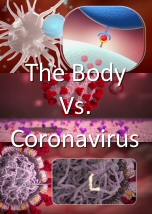
How can we cope with the tricky coronavirus now rampant worldwide? As the pandemic tightens its grip on the world, there are important unanswered questions about this novel virus: Why does this infection spread so rapidly from people with no symptoms? Why do some people become critical while others don't? Will a definitive treatment be found? The underlying key to these questions lie in our immune system. Immune cells are microscopic warriors, combating viruses and another pathogens. Through the high-tech 'eyes' of next-generation microscopes and computer-generated imagery, we will see how our immune defense corps combat against microbes and what mechanism is expected to help develop treatment.
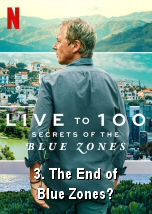
In this eye-opening film, viewers are taken on a journey to explore the secrets behind the longevity of communities like the Greek island of Ikaria and Nicoya, Costa Rica. Discover how they do it with simple foods and exercise that are fully integrated into daily life. This series prompts viewers to reflect on their own lifestyle choices and consider how they can adopt some of these lessons to live longer, healthier lives. The third installment of the series is a must-watch for anyone interested in the pursuit of a more fulfilling life and provides valuable insights into the importance of community, diet, and lifestyle factors in achieving longevity. It serves as a reminder that we can all make positive changes in our lives to enhance our well-being and potentially extend our lifespan. Don't miss the opportunity to be inspired by the wisdom of Blue Zones in this thought-provoking film.
It is 1918 and the end of WWI. Millions have died, and the world is exhausted by war. But soon a new horror is sweeping the world, a terrifying virus that will kill more than fifty million people - the Spanish flu. Using dramatic reconstruction and eyewitness testimony from doctors, soldiers, civilians and politicians, this one-off special brings to life the onslaught of the disease, the horrors of those who lived through it and the efforts of the pioneering scientists desperately looking for the cure. Narrated by Christopher Eccleston, the film also asks whether, a century later, the lessons learnt in 1918 might help us fight a future global flu pandemic.



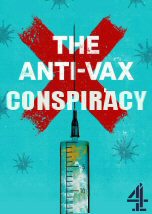







The film is a journey inside the astonishing world of the anti-vaxxers.