Minerva B is a small rocky planet just like earth, where spacecraft Artemis has found water, organic molecules, and complex creatures. Is there something more to find? 'I am the mind of the spaceship, alone among the stars. 50 years ago, from a planet far away, the planet you call home, I launched. A journey of 28 trillion miles across the yawning time of space to the exoplanet, Minerva B: a small, rocky planet, much like Earth, but orbiting another sun. Here, I have found water, organic molecules, and microorganisms. When the news of my discovery reaches Earth years from now, some of you will be amazed. But others will remain unsatisfied, and you will ask, have I not found animals or birds? Have I not met intelligent life like us? And so, my search continues. I will find life of marvellous complexity, and the traces of a devastating loss.'
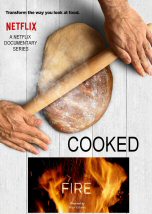
As he tries his hand at baking, brewing and braising, acclaimed food writer Michael Pollan explores how cooking transforms food and shapes our world. In the first espisode, with help from Aboriginal hunters and a barbecue pit master, Pollan shows how fire shaped human gastronomy, and weighs our duty to the animals we eat.
In fifth episode, you can witness how wildlife ingeniously adapts to the bustling human landscapes of Asia. Marvel at tigers establishing territories within urban areas, elephants halting traffic in search of food, and observe how 300 giant monitor lizards thrive in a central Bangkok park. Discover flying squirrels nesting in Taipei schools, proboscis monkeys venturing closer to human settlements, and swifts in Jerusalem competing for nesting sites. This story offers a captivating glimpse into the extraordinary resilience and adaptability of animals coexisting with dense human populations.
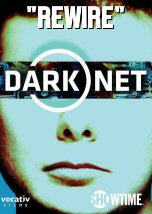
The Internet enables us to connect with people, images and information in ways that were unimaginable 30 years ago. But with every click we are re-wiring the physical structure of our brains. Are we evolving or actively de-evolving down a dopamine-laced click-hole? In this episode meet a 17-year-old boy struggling with an addiction to online pornography; autistic technologists in Silicon Valley who are turning their genetic variation to an advantage; plus, Nootropics, a class of cognition-enhancing supplements that claims to rewire the brain.
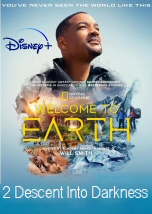
In the second episode, Will Smith descends 3,300 feet to the bottom of the ocean in a deep-water submersible, where even fewer people have gone than outer space. Along the way down, Will and explorer Diva Amon investigate how colour is used in the natural world and the role of bioluminescence. In the oceans, nearly 80 percent of animals use bioluminescence in some way, possibly the most common form of communication on the planet.
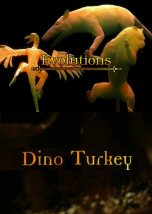
From small viscous meat eaters to vegetarian giants, dinosaurs came in all shapes and sizes. Remarkable new evidence suggests that one dinosaur did not become extinct but evolved into a new animal species we all know today. Discover the missing link between the velociraptor and modern day birds.




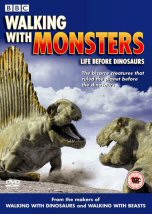


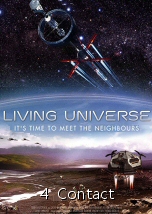



'I am the mind of the spaceship, alone among the stars. 50 years ago, from a planet far away, the planet you call home, I launched. A journey of 28 trillion miles across the yawning time of space to the exoplanet, Minerva B: a small, rocky planet, much like Earth, but orbiting another sun. Here, I have found water, organic molecules, and microorganisms. When the news of my discovery reaches Earth years from now, some of you will be amazed. But others will remain unsatisfied, and you will ask, have I not found animals or birds? Have I not met intelligent life like us? And so, my search continues. I will find life of marvellous complexity, and the traces of a devastating loss.'