He's the deadliest weapon on the battlefield, but behind enemy lines, what happens when the tables are turned and the hunter becomes the hunted? From the treacherous jungles of Vietnam and the bloody war zones of Iraq, to danger high in the skies of the Alaskan wilderness, this two-hour special puts you behind the scope with the men who pulled the trigger on some of the deadliest missions in military and law enforcement history. Gripping firsthand accounts, 3-D graphics and jaw-dropping shooting demonstrations take you inside the shadowy world of top snipers and the missions that made them living legends. Outmanned and out-gunned - will the next shot be his last?
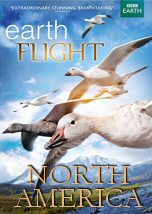
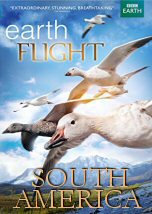
A bird's-eye view of some of the world's greatest natural spectacles. Amazing sights from five continents are revealed in a whole new light. Using cutting edge new filming techniques to show everything in exquisite detail, viewers have a uniquely privileged perspective. The first episode takes flight across North America, as a flock of millions of snow geese discover what it is like to be on the hit list of America's national bird: the bald eagle. In California, pelicans reveal devil rays that perform astonishing somersaults and find bizarre grunion fish that wriggle ashore to spawn. In Alaska, bald eagles swoop among brown bears fishing for salmon. And on the Great Plains, cowbirds duck and dive under the feet of fighting bison.
In the fourth episode of the series, legendary nature and cultural photographer Art Wolfe captures the great brown bear with the stunning backdrop of Alaska’s mountains and glaciers, immigrating wildebeests in the plains East Africa, and the hard-to-find gorillas of Uganda.
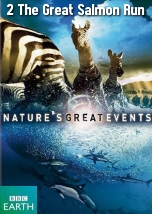
Every year grizzly bear families in North America depend for their survival on a spectacular natural event: the return of hundreds of millions of salmon from the Pacific Ocean to the mountain streams where they were born. The salmon travel thousands of miles to spawn and then die. The great run not only provides food for bears, but for killer whales, wolves, bald eagles, and even the forest itself. The question is: will the salmon return in time to keep hungry bears alive? A mother grizzly and her cubs emerge from their den high in snowy Alaskan mountains. Filming from the air the team capture a TV first, following the bears as they negotiate a near vertical slope on their journey to the coast where they await the return of the salmon. Meanwhile, the salmon are making their way to the to river mouths where they must swim upstream and against the current. The programme reveals how they tackle the torrents and leap over waterfalls, a feat equivalent to a human jumping over a house. Dozens of hungry bears eagerly await the salmon that make it up river. In another TV first, underwater cameras record the ingenuity and fancy footwork they use to collect dead salmon from the bottom of deep pools.
The Indians called the frozen peak of this great Alaskan mountain range Denali, or 'the high one.' Most know it as Mount McKinley. This preserved wilderness comes to life with the thaw of spring and wildlife abounds during the brief summer, only to succumb to the grip of the long winter. Watch as 5-week-old grizzly cubs play, a moose gives birth to her calf, and a wood frog survives the deep freeze of winter. Breath-taking shots of dazzling northern lights over vast and lush wilderness make this an unforgettable Eden.
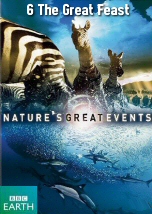
Every summer in the seas off Alaska humpback whales, sea lions and killer whales depend on an explosion of plant life, the plankton bloom. It transforms these seas into the richest on Earth. But will these animals survive to enjoy the great feast? The summer sun sparks the growth of phytoplankton, microscopic floating plants which can bloom in such vast numbers that they eclipse even the Amazon rainforest in sheer abundance of plant life. Remarkably, it is these minute plants that are the basis of all life here. But both whales and sea lions have obstacles to overcome before they can enjoy the feast. Humpback whales migrate 3,000 miles from Hawaii, and during their 3 month voyage lose a third of their body weight. In a heart-rending scene a mother sea lion loses her pup in a violent summer storm, while another dramatic sequence shows a group of killer whales working together to kill a huge male sea lion. In late summer the plankton bloom is at its height. Vast shoals of herring gather to feed on it, diving birds round the fish up into a bait ball and then a humpback whale roars in to scoop up the entire ball of herring in one huge mouthful. When a dozen whales work together they employ the ultimate method of co-operative fishing - bubble net feeding. One whale blows a ring of bubbles to engulf the fish and then they charge in as one. Filmed from the surface, underwater and, for the first time, from the air, we reveal how these giant hunters can catch a tonne of fish every day.











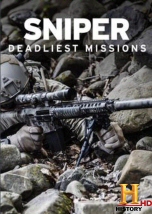






Gripping firsthand accounts, 3-D graphics and jaw-dropping shooting demonstrations take you inside the shadowy world of top snipers and the missions that made them living legends. Outmanned and out-gunned - will the next shot be his last?