Dylan Jones is in the driving seat for this authoritative four-part look back. No stone remains unturned, as he revisits the New Romantics, rap, modern dance music, hip-hop, indie jingle, synth-pop, house music and club culture. He makes the case that the 1980s was the most radical, innovative and creative decade in the history of pop because, unlike other decades, unleashed a myriad of new musical genres in just 10 years. In the first part, Dylan Jones explores how in this decade the world-conquering genres of rap, hip-hop and modern dance music were launched, while guitar-driven indie flourished in a constellation of scenes spread out across the world. And a technological revolution was changing how music was made, filling the charts with a starburst of innovative records. Meanwhile, the launch of MTV turned pop into a visual medium, allowing artists as varied as U2 and Eurythmics to take charge of how they presented themselves. Featuring interviews with Nile Rodgers, Bananarama, Primal Scream's Bobby Gillespie, Mark Ronson, Trevor Horn and Soul II Soul's Jazzie B.
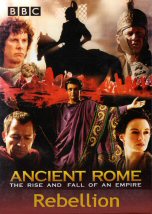
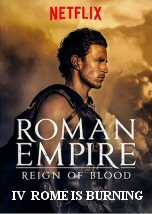
This episode tells the story of the Jewish Revolt, which swept through Judea in AD 66 and threatened to destabilise the whole empire. Rome turned to the disgraced General Vespasian and his son Titus to put it down. Filled with spectacular sieges and huge set-piece action, the film pits the discipline and ingenuity of the Roman army against the passion and commitment of the rebels.
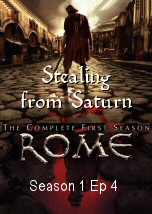
Pompey wants to find out what happened to the gold from the Roman Treasury and sends his son Quintus to Rome to find out what happened. Atia and her family have stayed behind when Pompey and others fled and she now throws a party for her triumphant uncle, Julius Caesar. She clearly has her sights set on the great leader and is puzzled when he sends her a guest list that includes Servilia of the Junii. She soon finds out why.
In the fifth episode of the series, lavish imperial games at the Colosseum are highlighted by the emperor's bloody victories, but his paranoid abuses of power lead to a final betrayal.
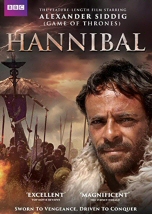
It is 200 years before the birth of Christ and Rome is the new superpower of the ancient world. She believes she is invincible - but one man is destined to change that. He is a man bound by oath to avenge the wrongs inflicted on his home and, in pursuit of revenge, he will stop at nothing. This featured docudrama explores the man behind the myth, revealing what drove the 26-year-old to mastermind one of the most audacious military moves in history. With 40,000 soldiers and 37 elephants, he marched 1,500 miles to challenge his enemies on their own soil. It was an act so daring that few people believed it possible. ‘Hannibal: Rome Worst Nightmare’ combines drama, the latest historical research and state-of-the-art CGI to bring this spectacular story to life.
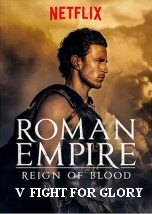
In the fourth episode of the series, Commodus defeats his sister's coup but withdraws from governing, allowing others to amass power while he engages in an affair and banishes his wife.












In the first part, Dylan Jones explores how in this decade the world-conquering genres of rap, hip-hop and modern dance music were launched, while guitar-driven indie flourished in a constellation of scenes spread out across the world. And a technological revolution was changing how music was made, filling the charts with a starburst of innovative records. Meanwhile, the launch of MTV turned pop into a visual medium, allowing artists as varied as U2 and Eurythmics to take charge of how they presented themselves. Featuring interviews with Nile Rodgers, Bananarama, Primal Scream's Bobby Gillespie, Mark Ronson, Trevor Horn and Soul II Soul's Jazzie B.