(Click CC for subtitles) Ranjit, a farmer in India, takes on the fight of his life when he demands justice for his 13-year-old daughter, the victim of a brutal gang rape. His decision to support his daughter is virtually unheard of, and his journey unprecedented. Nominated for Best Documentary Award, the film has an undeniable and unshakable power. It is one of those documentaries where anyone who watches it won’t be the same person by the end as they were when it started. To Kill a Tiger offers the viewer remarkable access to village life, not just in the modest home where Ranjit’s family make roti on an open fire, but in the fields where they herd goats and collect water from a pump. The camera finds quiet details, like Ranjit’s daughter carefully weaving ribbons into her hair. Women and men insist that the community, not the criminal court, should solve the issue with a forced marriage—to remove the ‘stain on her’. The men become increasingly hostile—to the family, and eventually to the film crew itself.
We're going to see if forcing your facial expression can change the way you feel. If you remove the ability to make facial expressions with botox, will it affect how the people perceive emotions in them? How do facial expressions affect emotion, and how does emotion affect facial expressions? Michael Stevens finds out when he explores the face.
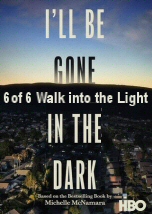
After four decades of searching for him, they got a one hundred percent match to the Golden State Killer's DNA. As 72-year-old former police officer Joe DeAngelo's arrest unfolds in real time, chilling facts materialize that illuminate Michelle McNamara's prescience in her book's epilogue.
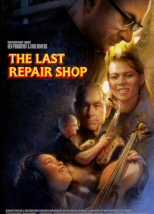
Winner of the Best Documentary Short Award, the film tells the story of four unassuming heroes who ensure no student is deprived of the joy of music. It is also a reminder of how music can be the best medicine, stress reliever and even an escape from poverty. Since 1959, Los Angeles has been one of the few United States cities to offer and fix musical instruments for its public school students at no cost. Those instruments, numbering around 80,000, are maintained at a Los Angeles downtown warehouse by a handful of craftspeople. The film profiles four of them, each specializing in an orchestra section, as well as students whose lives have been enriched by the repair shop's work. The film concludes with a performance by district alumni.
Jennifer Griffith and Sarah Carver were working for the Disability Administration and noticed all this corruption firsthand. They wrote to the Social Security Administration, wrote to lawyers, wrote to the president of the United States. But nothing ever came of their complaints until the Wall Street Journal story broke. Then, with national attention brought to Conn, the Senate, the FBI and the SSA (who’d been enabling the fraud the whole time) finally stepped in. Series finale. Eric leads the government on a wild goose chase. The fallout from the fraud takes its toll on a struggling Kentucky community.
In the fourth episode, several women recall their harrowing experiences with one man's heinous attempts at virtual blackmail, aimed at obtaining sensitive sexual material. A woman tells us: 'I received a message from a man who said: Send me a naked picture or I will kill you'. This young woman was able to add her case to those of other women who were encouraged to denounce and expose the harasser. No one is completely invisible on the Internet.















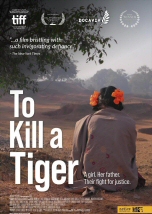







To Kill a Tiger offers the viewer remarkable access to village life, not just in the modest home where Ranjit’s family make roti on an open fire, but in the fields where they herd goats and collect water from a pump. The camera finds quiet details, like Ranjit’s daughter carefully weaving ribbons into her hair. Women and men insist that the community, not the criminal court, should solve the issue with a forced marriage—to remove the ‘stain on her’. The men become increasingly hostile—to the family, and eventually to the film crew itself.