











Last Watched

"Places on the Globe"  Sort by

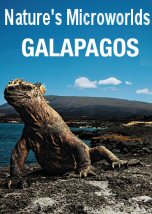
Nature Microworlds: Galapagos

   2012    Nature
A visit to arguably the most famous archipelago on Earth, the Galapagos. It's home to a myriad of bizarre and unique creatures, endemic to these islands - but how did they get here and what is the key to these extraordinary islands that allows them to thrive? The programme reveals that this key holds not just the secret to life here, but also to how Darwin was able to leave with the ideas that would revolutionise biology.
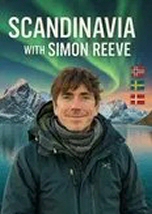
Scandinavia with Simon Reeve

   2025    Culture    HD
Journey through the awe-inspiring Nordic wilderness in a documentary that brings together all three episodes in a single feature-length video, unveiling the untamed beauty and surprising contrasts of northern Europe. From the icy remoteness of the Svalbard archipelago to the snowy vastness of Lapland and the tense frontier with Russia, the story unfolds across a dramatic landscape shaped by nature and history. Explore the fjords of Norway and the volcanic extremes of Iceland, before heading south to Sweden and Denmark, where behind the smiles and prosperity lie unexpected and shocking truths.
This series offers not just breathtaking views, but deep insight into what makes these societies both fascinating and fragile.

Human Planet: The Oceans

   2011    Culture
Human Planet is a majestic portrait of humankind and the power of nature in extraordinary symbiosis, struggle and strife. For the first time, the camera has turned on ourselves. In doing so, we see how amazing human beings can be and how we adapt to any habitat, anywhere. Human Planet is epic in ambition, extreme in content, intimate in effect. It explores how we have devised ways of surviving in every corner of Earth – from the remotest deserts to the busiest urban metropolis. Each episode focuses on an iconic environment and reveals how we have adapted to the challenges of the landscape and the endless diversity of animals and plants we live with. Discover how our remarkable intelligence, tool use, and close-knit social lives have enabled us to cope with just about anything nature can throw at us". As an air-breathing animal, the human is not built to survive in water. But people have found ways to live an almost aquatic life so they can exploit the sea's riches. From a 'shark-whisperer' in the Pacific to Brazilian fishermen collaborating with dolphins to catch mullet, this journey into the blue reveals astonishing tales of ingenuity and bravery. Daredevil Galician barnacle-collectors defy death on the rocks for a catch worth 200 pounds per kilo. In Indonesia an epic whale-hunt, using traditional hand-made boats and harpoons, brings in a sperm whale. The Bajau 'sea gypsies' of the Sulu Sea spend so much time on water they get 'land sick' when they set foot on the land! We dive 40 metres down to the dangerous world of the Pa-aling fishermen, where dozens of young men, breathing air through a tangled web of pipes attached to a diesel engine, capture thousands of fish in a vast net. We see how surfing has its origins in the ancient beliefs of the ocean-loving Polynesians, and we join a Borneo free-diving spear-fisherman on a breath-taking journey 20 metres down in search of supper.
Series: Human Planet

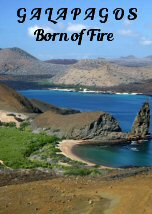
Galapagos: Born of Fire

   2006    Nature
Natural history series exploring the Galapagos Islands, which lie 1,000 kilometres off the coast of South America. This programme examines the fascinating stages of the islands' lives and how a variety of creatures have found ways to survive, including marine iguanas, sea-going lizards and giant tortoises.
Series: Galapagos

Long Way Home Ep 10

   2025    Culture
In the thrilling series finale, the journey culminates high in the Alps as our riders launch into an exhilarating paragliding flight above snow-dusted peaks, confronting the elements with sheer adrenaline. They then trade handlebars for putters on a breathtaking Swiss golf course, where each swing frames mist-shrouded valleys in the distance. A chance detour leads them to a quirky mountain artist’s hidden atelier, where kinetic sculptures seem to capture the spirit of their odyssey. As glaciers gleam and winding roads beckon, they pause to savour the bonds forged and miles conquered before embarking on the extended ride back home.
Series: Long Way Home

Man-Eating Tigers of the Sundarbans

   2009    Nature
The Sundarbans mangrove forest, in Bangladesh near the Indian border, is a tidal jungle where Ganges and Brahmaputra enter the Indian Ocean. Its has some 400 Bengal tigers - the largest population in the world, and the only to be hardly scared of men. The downside is tigers kill up the 50 Bangladeshis a year, even from neighbouring villages, so keeping them inside the reserve is key to long-term survival.
A recent project tries to train local mongrels, not pets but fiercely self-reliant dogs, to spot and even scare off tigers from villages. An individual tiger can turn into a man-eater in order to survive - this process may occur due to an injury or old age (and so cannot hunt agile prey) or even accidentally tasting human flesh.
Series: Natural World