





Last Watched

"Wildlife"  Sort by

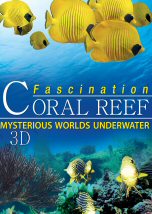
Fascination Coral Reef

   2013    Nature    3D    HD
Enter the fascinating world of the coral reefs and experience breath taking flora and fauna up close. The multitude of marine species, commencing with glassy sweepers, blow and porcupine fish, goliath groupers, giant morays, sea turtles up to the largest shark on earth, the whale shark, as well as the play of colours and the biodiversity of the corals, stony star corals, soft corals, bubble-tip anemones and gorgonian corals. Let yourself fall into a rapture of the deep. All in glorious 3D
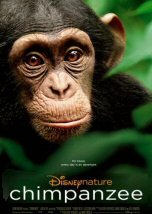
Chimpanzee

   2012    Nature
A young common chimpanzee nicknamed Oscar is part of a close-knit tribe of chimpanzees. They occupy a forest territory which is rich in native fruits, nuts, and figs, among other things. The chimps hunt small tree monkeys, and they also eat termites collected with primitive tools made from sticks. They also use rocks as tools to crack nuts. Oscar is tended by his mother, nicknamed Isha, and from her he begins learning many things about how to survive in the jungle. In the chaos of an attempted raid by a rival gang of chimpanzees led by 'Scar', Isha is injured and separated from the group and her son. This twist of fate leaves Oscar to fend for himself with a little help from an unexpected ally.

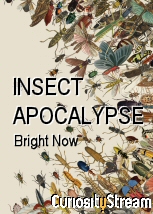
Insect Apocalypse

   2021    Nature
An alarming decline in insect populations could devastate all life on earth. What's causing it, and can anything be done to stop it?
Insects are disappearing across the world. If we lost our pollinators, we would lose 80 to 90% of the plants on the planet. That is not an option. It's the ecosystems on this planet that keep humans alive. Scientists warn us that the insect apocalypse is entirely possible.

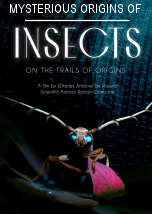
Mysterious Origins of Insects

   2024    Science    HD
The film explores the eye-opening realm of these creatures to better understand how they evolved. Travelling from the rain forests of French Guiana to the Arctic Ocean, scientists use traditional and cutting edge techniques to examine both modern insects and the fossil record in their search for a single common insect ancestor. Insects are vital to life on our planet, yet almost 40% of known species are in danger of extinction.
Insects are the most diverse group of organisms on Earth. The true number of species is unknown, but some estimates suggest that only a fraction have been identified. They have successfully adapted to every ecosystem on our planet. But insects still harbour many mysteries. Where do they come from? When did they first appear on Earth? How and why have they diversified and multiplied so successfully? At a time when certain insect species are in danger of extinction and there is greater interest in their role within ecosystems, this is the fascinating story of their origins.

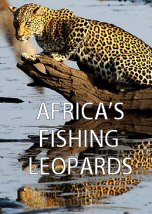
Africa Fishing Leopards

   2015    Nature
David Attenborough narrates the intimate story of a leopard mother and her two cubs. This very special family must survive in the wilds of Botswana alongside some less-than-friendly neighbours: lions, wild dogs and hyenas. The competition for food is tough, and if they are going to make it they must learn a new skill - they must learn to fish. This is an epic family drama. With them every step of the way is local cameraman Brad Bestelink. Brad's 18-month journey following the lives of these secretive big cats offers a rare glimpse into an otherwise hidden world.
Series: Natural World

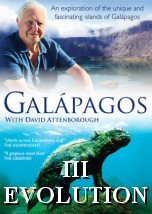
Evolution

   2013    Nature    3D    HD
No two islands in the Galapagos are the same. The imperceptible drift of a continental plate keeps each island biologically isolated. David Attenborough explores this evolutionary crucible, encountering tortoises that weigh up to half a tonne, finches that use tools and lizards that communicate using press-ups; for Darwin, this was all evidence for his theory of evolution. We see the final footage of the world famous tortoise fondly known as Lonesome George, the last survivor of his species. David Attenborough was the last person to have ever filmed with him. Darwin’s famous visit had a downside – the arrival of man. David investigates the impact we’ve had in these islands, as our influence is a double-edged sword. We’ve disrupted the natural balance but he also believes Darwin would be thrilled with the advances we have made in science. We’re also now uncovering evidence that evolution is more rapid than Darwin could ever have imagined. Whatever wonders the Galapagos Islands hold today, they are only a hint of what awaits them in the future.
Series: Galapagos with David Attenborough
Cooked

Cooked

2016  Culture
The Universe

The Universe

2007  Science
Ancient Rome

Ancient Rome

2006  History
The Story of India

The Story of India

2007  History
The Big Think

The Big Think

2017  Technology