This remarkable film offers a breathtaking, all-seeing perspective on one of the most eventful years in recent history. Captured through stunning satellite imagery, this documentary unveils hidden layers behind major global events, revealing the full scale of their impact as seen from space. From the mesmerizing path of a total solar eclipse to the relentless fury of extreme weather, the intense political landscape of the U.S. elections, and the awe-inspiring spectacle of powerful solar storms, the year 2024 was nothing short of extraordinary. The film also chronicles the devastating wildfires that scarred vast landscapes and the shocking collision of a cargo ship with a bridge in Baltimore—an event so destructive it was clearly visible from orbit. Through cutting-edge satellite technology, “2024: The Year from Space” not only documents history as it unfolded but also offers a rare and humbling reminder of how interconnected our world truly is.
Join director Clint Eastwood and his creative team, along with Bradley Cooper and Sienna Miller, as they overcome enormous creative and logistic obstacles to make a film that brings the truth of Navy Seal Chris Kyle's story to the screen.
When notorious white supremacist Craig Cobb moves into their town, the residents of Leith in North Dakota do what they can to prevent him from taking control of the municipality. Filmed in the days leading up to Cobb's arrest for terrorizing the townspeople on an armed patrol and his subsequent release from jail six months later, the film is an eerie document of American DIY ideals.
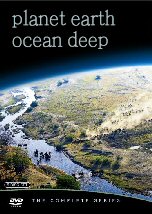
Life goes to extraordinary lengths to survive this immense realm. A 30 tonne whale shark gorges on a school of fish and the unique overhead heli-gimbal camera reveals common dolphins rocketing at more than 30km an hour. Descending into the abyss, deep sea octopus fly with wings and vampire squid use bioluminescence to create an extraordinary colour display. The first ever time-lapse footage taken from 2,000m down captures eels, crabs and giant isopods eating a carcass, completely consuming it within three hours.
The future of transportation is no longer a distant dream — it's here, and it's electric. But beneath the sleek designs and zero-emission promises lies a more complex reality. From hidden environmental costs to the fierce battle for battery materials, and from government incentives to powerful oil lobbies, this gripping investigation peels back the glossy surface to reveal the full story behind the electric revolution. Experts, insiders, and whistleblowers offer unprecedented insights into the true cost — and potential — of going electric. Fast-paced, eye-opening, and often surprising, this journey challenges everything you thought you knew about the cars of tomorrow.
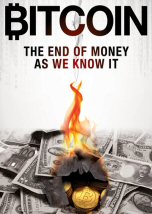
The concept of a digital, decentralized currency is questioning things and the answers being spilled out are deep-seated, long-standing propositions that place a magnifying glass onto the seemingly untouchable financial institutions at the base of modern commerce. What may be uncovered in the philosophical, political, and economic questions could have radical implications for the rest of the 21st century". The documenteray ushers us in, not to explore simply Bitcoin, but to hint at the basis of trade, commerce, and civil society. Director Torsten's story of money is one filled with promise like a sunrise over a landscape of human spirit.























Through cutting-edge satellite technology, “2024: The Year from Space” not only documents history as it unfolded but also offers a rare and humbling reminder of how interconnected our world truly is.