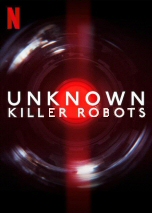
What happens when a machine makes life-or-death decisions? This documentary explores the dangers of artificial intelligence in military application. To behold the fascinating military technology shown here is to witness the birth of a terrible beauty that could annihilate us all. The documentary is not only chilling, it makes this dark side of artificial intelligence seem inevitable. It is also an essential chronicle to get a general idea of how artificial intelligence is being applied not only in warfare, but also in other areas of our society.
It begins by examining the shift in the language and sound of music from the melodies and harmonies of giants such as Mozart, Haydn and Brahms into the fragmented, abstract, discordant sound of the most radical composers of the new century - Schoenberg, Webern, Stravinsky and beyond. It examines how this new music was a response to the huge upheaval in the world at the start of the 20th century, with its developments in technology, science, modern art and the tumult of the First World War. Featuring performances of some of the key works of the period, performed by the London Sinfonietta, members of the Aurora Orchestra and composer and pianist Timothy Andres, the story of this episode in music history is brought to life through the contributions of the biggest names in modern classical music, among them Steve Reich, John Adams, Michael Tilson Thomas, Pierre Boulez, George Benjamin and Alex Ross, music critic of the New Yorker.
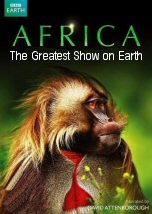
Sir David Attenborough takes a breath-taking journey through the vast and diverse continent of Africa as it's never been seen before. From the richness of the Cape of Good Hope to blizzards in the high Atlas Mountains, from the brooding jungles of the Congo to the steaming swamps and misty savannahs, Africa explores the whole continent. An astonishing array of previously unknown places are revealed along with bizarre new creatures and extraordinary behaviours. Using the latest in filming technology including remote HD cameras, BBC One takes an animal's eye view of the action. The journey begins in the Kalahari, Africa's ancient southwest corner, where two extraordinary deserts sit side by side and even the most familiar of its creatures have developed ingenious survival techniques. Black rhinos reveal a lighter side to their character as they gather around a secret waterhole. Springbok celebrate the arrival of rains with a display of 'pronking'. Bull desert giraffes endure ferocious battles for territory in a dry river bed.
J.P. Morgan proceeds to banish the dark with the direct current electric light of Thomas Edison, but the two soon face serious competition from the alternating current of George Westinghouse and Nikola Tesla. As the 19th century comes to a close, the titans of industry must try to work together to stop a new threat in budding politician William Jennings Bryan, who threatens to dissolve monopolies in America.
In July 2022, the James Webb Space Telescope (JWST) unveiled its first breathtaking images, offering an unprecedented level of detail of stars, galaxies, and planets. But for scientists, these images were just the start of an exciting journey to uncover the universe's secrets. This documentary follows Chris Lintott as he embarks on a road trip to meet the researchers who have been eagerly analyzing JWST's data, revealing groundbreaking discoveries about exoplanet atmospheres, the outer planets of our solar system, and the earliest galaxies in the cosmos. To mark the second anniversary of JWST's first images, Chris, along with presenters Maggie Aderin-Pocock and George Dransfield, revisits these scientists to explore the telescope's successes and challenges. From new jet streams on Jupiter to quirks on Uranus and Neptune, and insights into the ancient universe, the documentary showcases the remarkable findings made possible by JWST. Additionally, resident astronomer Pete Lawrence guides viewers on how to observe the night sky's wonders, aligning their stargazing with the telescope's targets. This captivating journey into space science promises to inspire and intrigue.
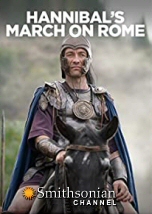
Even 2,000 years after his death, General Hannibal's battle strategies are still studied today. But of all his military feats, perhaps his greatest was leading his massive Carthaginian army of men and three-dozen elephants across the Alps and into the heartland of Rome in 218 B.C. Until now, the route they took has been a matter of dispute, but thanks to modern-day technology, geomorphologist Bill Mahaney and microbiologist Chris Allen believe they've accurately traced this ancient journey.












The documentary is not only chilling, it makes this dark side of artificial intelligence seem inevitable. It is also an essential chronicle to get a general idea of how artificial intelligence is being applied not only in warfare, but also in other areas of our society.