The film brings viewers all the amazing news-breaking advances in science in technology from 2021, unfolding around the globe. Shattering barriers and questioning assumptions and turning ideas on their head. Stories that take a leap into the future or follow footprints to the past. Startling discoveries from a prehistoric nursery to a magic bullet that could contain the pandemic. Accomplishments like harnessing a star in a bottle or mapping invisible parts of the universe. Join us for an exclusive hyper-tour from earth to space.
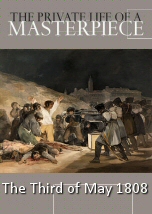
Arguably the most powerful painting about war ever achieved. It portrays the slaughter of civilians after Napoleonic troops entered Madrid in 1808. The programme reveals the historical truths behind the painting and shows exactly how Goya achieved this masterpiece of protest. he painting's content, presentation, and emotional force secure its status as a groundbreaking, archetypal image of the horrors of war. Although it draws on many sources from both high and popular art, The Third of May 1808 marks a clear break from convention. Diverging from the traditions of Christian art and traditional depictions of war, it has no distinct precedent, and is acknowledged as one of the first paintings of the modern era. According to the art historian Kenneth Clark, The Third of May 1808 is 'the first great picture which can be called revolutionary in every sense of the word, in style, in subject, and in intention'. Discover how Goya used drawings by authentic witnesses to depict a real firing squad.
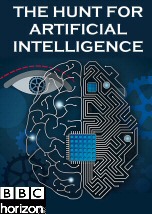
Marcus Du Sautoy wants to find out how close we are to creating machines that can think like us: robots or computers that have artificial intelligence. His journey takes him to a strange and bizarre world where AI is now taking shape. Marcus meets two robots who are developing their own private language, and attempts to communicate to them. He discovers how a super computer beat humans at one of the toughest quiz shows on the planet, Jeopardy". And finds out if machines can have creativity and intuition like us. Marcus is worried that if machines can think like us, then he will be out of business. But his conclusion is that AI machines may surprise us with their own distinct way of thinking.
A Winning Design clarifies what makes a mammal different from reptiles and birds. No, it isn't egg-laying: both the platypus and the echidna are egg-laying mammals; it's their ability to adapt. And it's this adaptability that becomes the crux of the remainder of the series. From the tiniest bat to the massive blue whale, all mammals share the ability to nurture their young on milk and regulate their own temperatures.
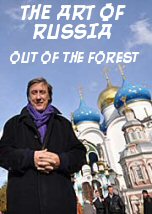
Art critic Andrew Graham-Dixon tells the incredible story of Russian art, its mystery and magnificence and until now a story untold. He explores the origins of the Russian icon from its roots in Byzantium and the first great Russian icon, Our Lady of Vladimir to the masterpieces of the country's most famous icon painter, Andrei Rublev. Both epic and awe-inspiring, and producing brilliant art", nevertheless medieval Russia could be a terrifying place. Criss-crossing the epic landscape, Andrew visits the monastery founded by Ivan the Terrible, where his favourite forms of torture found inspiration in religious art. One man would shine a light into Russia's 'dark' ages - Peter the Great who, surprisingly, took as his inspiration Deptford in South London.
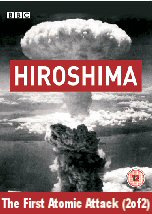
It was the defining moment of the 20th Century - the scientific, technological, military, and political gamble of the world's first atomic attack. This drama-documentary attempts to do what no other film has done before - to show what it is like to live through a nuclear explosion, millisecond by millisecond. Set in the three weeks from the first test explosion in New Mexico to the eventual dropping of the bomb, the action takes viewers into the room where the crucial political decisions are made; on board the Enola Gay on her fateful voyage; inside the bomb as it explodes; and on the streets of Hiroshima when disaster strikes. Parallel storylines interweave, unfolding the action from both US and Japanese perspectives, and revealing the tensions and conflicts in the actions and minds of people who were making history. Special effects recreate the reality of the mission - even going inside the workings of the bomb - and archive film replays the horrific aftermath.



Startling discoveries from a prehistoric nursery to a magic bullet that could contain the pandemic. Accomplishments like harnessing a star in a bottle or mapping invisible parts of the universe. Join us for an exclusive hyper-tour from earth to space.