Can new emission-free electric planes replace our polluting airliners and revolutionize personal transportation in our cities? The film takes a ride in some quiet, energy-efficient, prototypes that are vying for success as electric flight takes off. The race is on to stop the climate emergency and we're seeing more and more people really paying attention to their carbon footprint. Aviation is a fast-growing offender, but is it too slow to respond. Could rapid progress in electric technology change the equation?
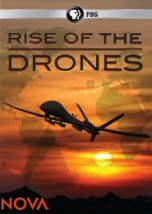
These unmanned flying robots–some as large as jumbo jets, others as small as birds–do things straight out of science fiction. Much of what it takes to get these robotic airplanes to fly, sense, and kill has remained secret. But now, with rare access to drone engineers and those who fly them for the U.S. military, we reveal the amazing technologies that make drones so powerful". From cameras that can capture every detail of an entire city at a glance to swarming robots that can make decisions on their own to giant air frames that can stay aloft for days on end, drones are changing our relationship to war, surveillance, and each other. And it's just the beginning. Discover the cutting edge technologies that are propelling us toward a new chapter in aviation history
Mountain biking requires endurance, core strength and balance, bike handling skills, and self-reliance. Advanced riders pursue both steep technical descents and high incline climbs. In the case of freeriding, down hilling, and dirt jumping, aerial manoeuvres are performed off both natural features and specially constructed jumps and ramps. Follows several individuals breaking out of their mundane lives and entering into the adventurous thrill-seeking world of this sport.
Technology is defining the future of warfare, providing capabilities that were previously unreachable. Every technological leap redraws the battle lines we once knew. The future of warfare lies beyond battlefields to the uncharted reaches of outer space, and even to the digital realm. In the first episode, artificial intelligence and autonomy are no longer just the field of science fiction; they are a key part of the fourth industrial revolution, and successfully harnessing the power of this new technology will be integral to the success of future warfare.
Over the last years, the world has experienced an energy revolution, driven by an urgent need to green the grid and save life on Earth as we know it. 50 years ago, a devastating oil crisis kicked off an energy revolution. The world set course to cut the costly habit of burning fossil fuels. With the urgent new threat of a changing climate, the drive to unleash the power of the sun, earth and wind has accelerated into a race for humanity's survival. Change is taken place but, is it happening fast enough to secure our future? Technologies are right here, right now, and they will enable the transition to 100% renewables, because winning the energy race means a win for the entire world.
Ewan McGregor and Charley Bormann are very close to finishing their journey. Discussions on security are still on the agenda; they cannot travel at night due to dangerous cartels. They will need to do many miles on a bus with space for the bikes inside. The team manage to get the bikes on after concerns they wouldn’t fit. Repairing and conditioning the bus is an achievement considering they did it in a few days. Ewan and Charley get back on their bikes, and they head to their last border cross to enter the United States. After 12 hours in the border, the crew, Ewan and Charley make it to America. It’s an easy stretch to L.A. on their bikes. Ewan, the crew and family, finish the last leg. It’s done, they’ve managed to finish Long Way Up. It’s such an achievement. Episode 11 is a heartfelt finale, showcasing the end of an incredible journey from both Ewan, Charley, and the team that supported them.


















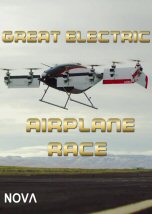











The race is on to stop the climate emergency and we're seeing more and more people really paying attention to their carbon footprint. Aviation is a fast-growing offender, but is it too slow to respond. Could rapid progress in electric technology change the equation?