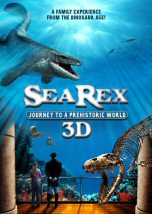
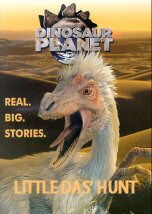
SETTING: 72 million years ago, near present-day Montana. As a young male daspletosaurus, it's Das' job to herd unsuspecting prey towards the rest of the pack. But he's easily distracted and ruins several hunts getting him in deep trouble with his mother, the pack leader. When a volcano threatens, the dinosaurs are unprepared.
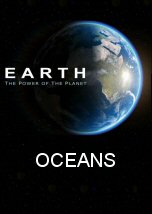
Earth’s oceans help make our planet different from every other planet in the solar system. As far as we know, no other place is the right temp for liquid water, the most essential ingredient for life to exist. The oceans are Earth’s primary stabilizing force, and their immense power helps to shape the appearance and behavior of the entire planet and everything living on it. And they are also the planet's great unknown - their deepest points have been visited less than the surface of the moon.
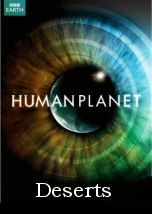
We can survive for weeks without food, but only days without water: it is the essential element of life. Yet many millions of us live in parched deserts around the world. In the second episode of Human Planet, we discover how the eternal quest for water brings huge challenges - and ingenious solutions - in the driest places on Earth. Battling through a sand storm in Mali, Mamadou must get his cows to a remote lake but desert elephants have arrived first. Can he find a safe way through the elephant blockade? Alone for weeks on end, Tubu women and children navigate the endless dunes of the Sahara. How does young Shede know where to find the last oasis, three days walk across the sea of sand? At the height of the drought we witness a spectacular frenzy: two thousand men rushing into Antogo Lake to catch the fish trapped by the evaporating water. When the rain finally arrives in the desert it's a time for flowering and jubilation - and love. The Wodaabe men of Niger put on make-up for an intoxicating courtship dance and beauty contest.
Earth is the most colourful place we know of. But the colours we see are far more complex and fascinating than they appear. In this series, Dr Helen Czerski uncovers what colour is, how it works, and how it has written the story of our planet - from the colours that transformed a dull ball of rock into a vivid jewel to the colours that life has used to survive and thrive". But the story doesn't end there - there are also the colours that we can't see, the ones that lie beyond the rainbow. Each one has a fascinating story to tell. Early Earth was a canvas for the vast new palette of the colours of life, with the diversity of human skin tones telling the story of how humanity spread and ultimately conquered the planet. Dr Helen Czerski explores the true masters of colour - which are often the smallest and most elusive - travelling to the mountains of Tennessee to witness the colourful mating display of fireflies, and revealing the marine creatures that can change the colour of their skin in order to hide from the world.
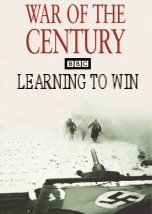
Last in series about the Nazi concentration camp looks at the fate of the remaining prisoners and their guards. Uncovers how many survivors faced appalling treatment in their home countries and how many guards escaped justice.