Following engineers and scientists on a groundbreaking mission as they build, test and launch the James Webb Space Telescope, the most powerful observatory ever constructed, and discovers the astonishing cosmological enigmas it will investigate. Using the latest CGI animation technology, the film will follow the journey and share the incredible cosmological images and mysteries that scientists believe the telescope will capture. This super-telescope is the next generation successor to the Hubble Space Telescope, with a mirror 6 times bigger. It will also be able to peer back in time. For the first time in space exploration, scientists will be able to explore the formation of the first stars and galaxies and search for planets that can support life.
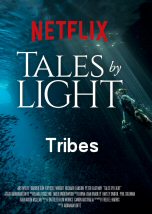
The sixth and last episode of the series follows photographer Art Wolfe as he documents the world's cultures, including the Surma of Ethiopia and the masked mud men and Huli clans of Papua, New Guinea.
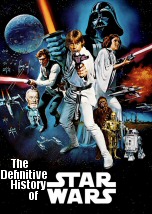
To get us in the mood for the launch of the seventh Star Wars film, discover its Definitive History. Documentary taking a behind-the-scene look at how the world's biggest, multi-billion pound movie series came into existence. Featuring rare interviews with Star Wars producers Gary Kurtz and Robert Watts and insights from those members of the creative team who won Oscars making the visual effects. Plus, a few little-known and surprising facts surrounding the film franchise.
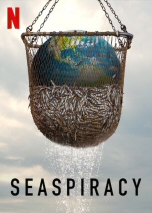
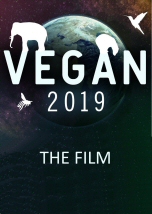
Widespread dietary changes are needed if we’re to combat the range of health problems associated with obesity and the environmental damage caused by industrial farming. Switching to a vegan diet is a potential solution, but selling the idea to the meat-eaters around the world is a tricky proposition.
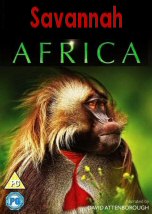
East Africa is a land which is constantly changing. To survive here, creatures must be able to deal with unpredictable twists and turns - wet turning to dry, feast to famine, cold to hot - no matter how hostile it becomes. From dense forests to snow capped peaks, steamy swamps and endless savannah, this unique and varied land is also a haven for life, supporting large animals in numbers found nowhere else on Earth. But away from the familiar, forever-travelling herds, there are a huge cast of other characters - lizards that steal flies from the faces of lions, vast dinosaur-like birds who stalk catfish through huge wetlands, and an eagle who risks everything on the arrival of ten million bats from a far off rainforest.
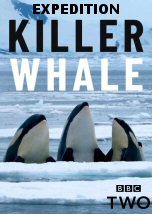
In Antarctica, one the most sophisticated hunting behaviours in the animal kingdom takes place – killer whales creating waves to wash seals off pieces of floating ice. A team of scientists and filmmakers travel heads to these freezing waters to find out more about these unique animals and how they do it. But their mission is not just to deepen our understanding of this extraordinary hunting behaviour. The team are also intent on learning more about the secret – and more tender side – of the lives of these killer whales.











This super-telescope is the next generation successor to the Hubble Space Telescope, with a mirror 6 times bigger. It will also be able to peer back in time. For the first time in space exploration, scientists will be able to explore the formation of the first stars and galaxies and search for planets that can support life.