Not an animal, nor a plant, nor fungi, the blob is one giant single cell whose amazing capacities are leading pioneer scientists to a very new world – that of brainless intelligence. More commonly known as slime mould, this extraordinary one-billion-year-old organism challenges our understanding in many different fields. This fascinating documentary follows top experts from Europe, Japan and the US on a scientific investigation into this most surprising organism.
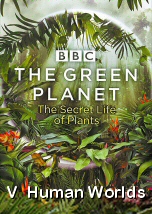
A guide to plants that thrive in human-dominated environments, including trees that grow across canyons in India, which have developed into living bridges. The programme examines the origins of growing crops and the ongoing influence on the world of wild plants, as well as efforts to preserve species, from snipers firing pesticide bullets from helicopters to fend off invasive plants to plants being painstakingly pollinated using a paintbrush.
Follow the Manhattan-based Colin Beavan and his family as they abandon their high consumption 5th Avenue lifestyle and try to live a year while making no net environmental impact. The documentary follows this family during their year-long experiment to reduce their carbon-footprint.
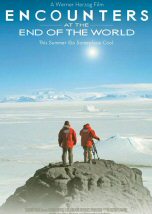
In this visually stunning exploration, Herzog travels to the Antarctic community of McMurdo Station, headquarters of the National Science Foundation and home to 1,100 people during the austral summer (Oct-Feb). Over the course of his journey, Herzog examines human nature and Mother nature, juxtaposing breath taking locations with the profound, surreal, and sometimes absurd experiences of the marine biologists, physicists, plumbers, and truck drivers who choose to form a society as far away from society as one can get.
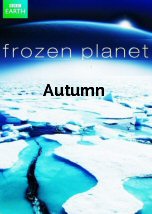
For the animals in the polar regions, autumn means dramatic battles and epic journeys. Time is running out - the Arctic Ocean is freezing over and the sea ice is advancing at 2.5 miles per day around Antarctica. Polar bears gather in large numbers on the Arctic coast as they wait for the return of the ice. Soon, tempers fray and violent sparring contests break out. Meanwhile 2,000 beluga whales head for one special estuary, a gigantic 'whale spa' where they will thrash their snow-white bodies against the gravel and exfoliate. Inland, the tundra undergoes a dramatic transformation from green to fiery red. Here, musk ox males slam head-first into each other with the force of a 30mph car crash as they struggle to defend their harems. Frisky young caribou males play a game of 'grandma's footsteps' as they try to steal the boss's female. Down in Antarctica, Adelie penguin chicks huddle together in creches. When a parent returns from fishing, it leads its twins on a comical steeplechase - sadly there's only enough for one, so the winner gets the meal. Two months later and the chicks are fully feathered apart from downy Mohican hairdos - they're ready to take their first swim - reluctantly though, as it seems penguins are not born with a love of water! And with good reason - a leopard seal explodes from the sea and pulls one from an ice floe, a hunting manoeuvre that has never been filmed before. As winter approaches and everyone has left, the giant emperor penguin arrives and makes an epic trek inland to breed. The mothers soon return to the sea leaving the fathers to hold the eggs and endure the coldest winter on earth.
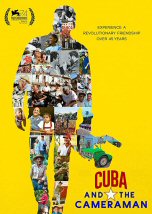
For the past 42 years Director Jon Alpert has been following Fidel Castro and three Cuban families affected by his policies. Their lives put us right in the roller coaster of the Cuban Revolution. Because of Alpert's unique access to the island, and the trust and friendships earned over decades, this film is a candid and revealing never-before-seen portrait of Cuba.








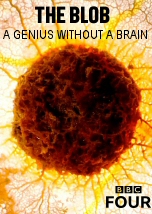







This fascinating documentary follows top experts from Europe, Japan and the US on a scientific investigation into this most surprising organism.