
Last Watched

Hiroshima

   2020    History
The final hours of WW2 changed the course of history. As the Americans inch closer to Japan the Japanese fight with greater intensity. The question now is how to end the conflict. Starve them into capitulation? Many in US command believe the Japanese will never surrender. The alternative is to stage a massive invasion that would dwarf D-Day? The massacre of millions would be inevitable. But then a third and far darker option becomes available: the atom bomb.
Series: Greatest Events of WWII in Colour
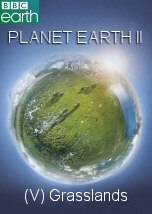
Planet Earth II Grasslands

   2016    Nature    HD
Grasslands cover one quarter of all land and support the vast gatherings of wildlife, but to survive here animals must endure the most hostile seasonal changes on the planet. From Asia's bizarre-looking Saiga antelope to the giant anteaters of Brazil, grassland animals have adapted in extraordinary ways to cope with these extremes. In the flooded Okavango, lions take on formidable buffalo in epic battles, on the savannah bee-eaters take advantage of elephants to help catch insects and, on the freezing northern tundra, caribou embark on great migrations shadowed by hungry Arctic wolves.
Series: Planet Earth II

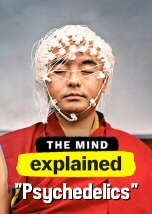
Psychedelics

   2019    Medicine
The final episode of this series looks at what happens to the brain when someone uses psychedelic drugs. It looks at how psychedelic drugs may be useful in dealing with anxiety in cancer survivors and serious depression. It explores the history of psychedelics and examines early medical experimentation with the drug. It also discussed why psychedelics were banned and examines how they affect the brain.
Series: The Mind Explained

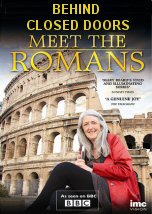
Behind Closed Doors

   2012    History
In this final episode, Mary Beard delves even deeper into ordinary Roman life by going behind the closed doors of their homes. She meets an extraordinary cast of characters - drunken housewives, teenage brides, bullied children and runaway slaves - and paints a more dynamic, lusty picture of Roman family life. Mary uncovers their preserved beds, furniture and cradles, tries on Roman wedding rings and meets some eccentric wives like Glyconis, praised by her husband for liking a drink or two, and Allia Potestas, who lived in a Roman menage a trois. Mary explores Roman parenting, childbirth and children, including Sulpicius Maximus, an 11-year-old schoolboy who was worked to death by his pushy parents, and Geminia Mater, a 5-year-old tomboy. Finally, Mary paints a more nuanced picture of Roman slavery and asks why if it was such a brutal institution did many Romans choose to be buried with their servants - living cheek by jowl in death, as in life
Series: Meet the Romans

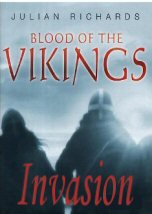
Blood Of The Vikings: Invasion

   2001    History
In AD 856, a massive fleet of Viking ships appeared off the coast of East Anglia, heralding a change in Viking tactics - from raiding to invasion. Richards charts the years of attempted conquest that followed.
Series: Blood of the Vikings

The Bletchley Park Code Breakers

       History
The film reveals the secret story behind one of the greatest intellectual feats of World War II, a feat that gave birth to the digital age.
In 1943 Bill Tutte, a 24-year-old maths student and a GPO engineer called Tommy Flowers combined to hack into Hitler's personal super code machine - not Enigma but an even tougher system, which he called his 'secrets writer'. Their break turned the Battle of Kursk, powered the D-day landings and orchestrated the end of the conflict in Europe. But it was also to be used during the Cold War - which meant both men's achievements were hushed up and never officially recognised.
The Universe

The Universe

2010  Science
Top Gear

Top Gear

2012  Technology
Most Wanted: Teen Hacker

Most Wanted: Teen Hacker

2025  Technology
Love On The Spectrum

Love On The Spectrum

2019  Culture
Worst Ex Ever

Worst Ex Ever

2024  Culture