The film takes the viewer on an exhilarating ride through some of the greatest movies ever made. Serving as presenter and guide is the charismatic Slavoj Zizek, the Slovenian philosopher and psychoanalyst. With his engaging and passionate approach to thinking, Zizek delves into the hidden language of cinema, uncovering what movies can tell us about ourselves. The Pervert's Guide To Cinema offers an introduction into some of Zizek's most exciting ideas on fantasy, reality, sexuality, subjectivity, desire, materiality and cinematic form. Whether he is untangling the famously baffling films of David Lynch, or overturning everything you thought you knew about Hitchcock, Zizek illuminates the screen with his passion, intellect, and unfailing sense of humour. The film applies Zizek's ideas to the cinematic canon, in what The Times calls 'an extraordinary reassessment of cinema.'
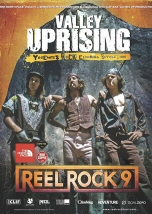
In the shady camp grounds of Yosemite valley, climbers carved out a counterculture lifestyle of dumpster-diving and wild parties that clashed with the conservative values of the National Park Service. And up on the walls, generation after generation has pushed the limits of climbing, vying amongst each other for supremacy on Yosemite's cliffs. 'Valley Uprising' is the riveting, unforgettable tale of this bold rock climbing tradition in Yosemite National Park: half a century of struggle against the laws of gravity - and the laws of the land.
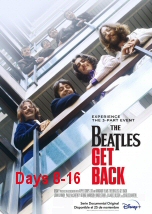
This widely praised by critics film was created with cooperation from Paul McCartney, Ringo Starr and the widows of John Lennon and George Harrison. Filmmaker Peter Jackson delves into invaluable footage archives to make a film that shows the truth about the Beatles recording together the album Let it Be, which had the working title of Get Back. The production employed film restoration techniques developed for Jackson's previous works on sixty hours of film footage and 150 hours of audio, spending four years in editing the series. The final cut covers 21 days in the studio with the Beatles and climaxes with the full 42-minute rooftop concert. In part I, the Beatles begin rehearsing at Twickenham Studios for what is at first meant to be a television special about the recording of their next album leading up to a live show at a location to be determined. During the sessions, Paul McCartney and George Harrison play some songs that would later appear on their respective solo albums. After seven days of rehearsals, Harrison abruptly leaves the group.
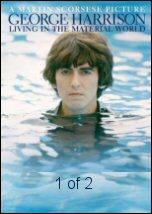
George Harrison first became known to the world as 'The Quiet Beatle', but there was far more to his life than simply being a part of The Beatles. This film explores the life and career of this seminal musician, philanthropist, film producer and amateur race car driver who grew to make his own mark on the world. Through his music, archival footage and the memories of friends and family, Harrison's deep spirituality and humanity are explored in his singular life as he took on artistic challenges and important causes as only he could. Directed by Martin Scorsese.
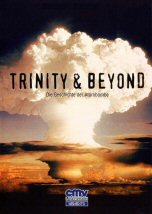
An unsettling yet visually fascinating documentary presenting the history of nuclear weapons development and testing between 1945 until 1963. Narrated by William Shatner, features extremely rare film segments from top secret government archives and startling footage of nuclear bomb tests conducted by Great Britain and China, plus the largest atomic explosion ever created by Russia, and de-classified U.S. footage released to the public as recent as May, 2006. Whether being exploded under the ocean, suspended by a balloon, shot from a cannon or even detonated in space, these weapons are capable of devastating destruction - the quality of these images is as startling as are remarkable.
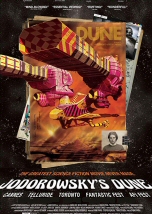
Alejandro Jodorowsky's daring and psychedelic films of the early 1970's, 'El Topo' and 'The Holy Mountain', cemented his status as the Godfather of the Midnight Movie. In 1974, he began work on his next film, possibly the most ambitious film ever attempted. In the pre-Star War era, Jodorowsky’s adaptation of Frank Herbert’s classic sci-fi novel DUNE was poised to change cinema forever. His DUNE would star Brontis Jodorowsky, Alejandro's own 12 year old son, alongside Orson Welles, Mick Jagger, David Carradine and even Salvador Dali. The team of assembled visual artists were some of the most provocative talents of the era, including H.R. Giger, Chris Foss, and Jean ‘Moebius’ Giraud. The groundbreaking special effects were under the control of Dan O'Bannon and the soundtrack would be created by Pink Floyd and the French prog-rock masters, Magma. For two years, Jodorowsky and his team of 'Spiritual Warriors' worked night and day on the massive task of creating the fabulous world of DUNE. In order to secure the necessary Hollywood funding, they created over 3,000 storyboards, numerous paintings, incredible costumes, and an outrageous, moving, and powerful screenplay. In the words of Jodorowsky’s producer, Michel Seydoux, 'It should have been enough. But it wasn’t.' Through intimate and honest conversations with Jodorowsky, filmed over the span of three years, plus interviews with legends and luminaries including H.R. Giger (artist, ALIEN), Gary Kurtz (producer, STAR WARS) and Nicolas Winding Refn (director, DRIVE and THE NEON DEMON), as well as never-before-seen realizations of Jodorowsky’s mind-blowing psychedelic space opera, director Pavich's film finally unearths the full saga of 'THE GREATEST MOVIE NEVER MADE'.







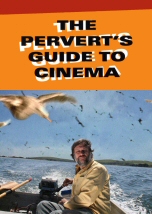






The Pervert's Guide To Cinema offers an introduction into some of Zizek's most exciting ideas on fantasy, reality, sexuality, subjectivity, desire, materiality and cinematic form. Whether he is untangling the famously baffling films of David Lynch, or overturning everything you thought you knew about Hitchcock, Zizek illuminates the screen with his passion, intellect, and unfailing sense of humour. The film applies Zizek's ideas to the cinematic canon, in what The Times calls 'an extraordinary reassessment of cinema.'