



Last Watched

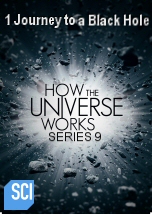
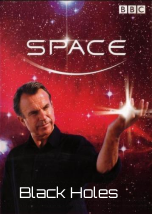
The Black Holes

   2001    Science
Sam Neill takes the viewer on journeys across the universe. In this episode, we made an exploration of the strange and terrifying world of the universe's ultimate monster - the black hole. Where are they - and is our planet in danger?
Series: Space

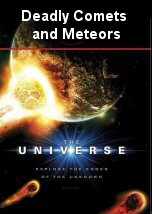
Deadly Comets and Meteors

   2009    Science
Right now cosmic forces prowl the universe and threaten man's very existence. They're asteroids and comets; they've left their imprint on planet Earth, literally. Initially helping to build planets through violent collisions, during this fiery bombardment period they may have even seeded Earth with water and the building blocks for life. Since the turbulent formation of the solar system, these space rocks have continued to impact Earth. Some have been so violent that they've led to mass extinctions, including one that wiped out the dinosaur. New theories suggest that asteroid and comet dust harbour deadly viruses that may have triggered some of our worst pandemics. The possibility of future collisions remains a legitimate threat yet despite their dangers, asteroids and comets may hold vital natural resources, which could actually preserve
Series: The Universe

Badgering

   2023    Nature
Jeremy comes face to face with his nemesis: the badger. Clarkson is informed by Charlie that his cows are in danger of contracting Bovine Tuberculosis from the badgers on the farm. He decides to resolve the issue by killing the creatures but is informed that this is illegal in most cases. Faced with a danger to his herd, Clarkson must hope for the best.
Series: Clarkson Farm Season 2

Lack of Humility

   2015    History
In the ninth episode, Steven's trial is over, but a new one is just beginning. Will the jury find the suspect's confession or his conflicting statements more believable?
Series: Making a Murderer

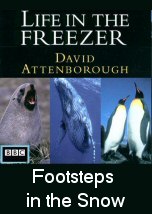
Footsteps in the Snow

   1993    History
This episode discusses the human exploration of Antarctica, in particular the mission led by Captain Robert Falcon Scott, whose team died on the way back from the South Pole. It shows the scientific work in the modern human bases in Antarctica, especially Mawson Base and its observation of Adelie Penguins (partially through tracking devices). The second half of the episode describes how the series was made. Most crucial was of course the camera work. To get access to the wildlife of the sea, for example, boats, divers, suspended capsules and remotely controlled cameras mounted on inflatables were used. Particularly dangerous to divers were Leopard Seals and other predators. The film concludes that although working in Antarctica is now much easier than during the early days of exploration, human footsteps on the continent are still exceedingly rare in part because of international treaties prohibiting industrial exploitation.
Series: Life in the Freezer