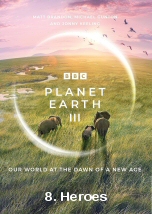
In this captivating final episode of the series we meet some incredible conservation champions on nature's front line, fighting to preserve the future of our beautiful planet. The episode opens with a dramatic rescue operation for the critically endangered black rhino, showcasing the efforts of Dumi Zwane and his team to establish a new breeding colony in a safe haven. The focus then shifts to the Centro Jambatu research center in the Andes, where Jaime Culebras works tirelessly to save the last of certain frog species. The documentary also highlights the efforts of Trang Nguyen, who bravely infiltrates the illegal wildlife trade in West Africa to protect forest elephants from ivory poachers. Meanwhile, in Vienna, Katharina Huchler undertakes a remarkable journey to reintroduce the northern bald ibis to Europe after its extinction 400 years ago. Indigenous leader Alessandra Korap's battle to preserve the Amazon rainforest from exploitation is a key focus, alongside Mohamed Nasheed's fight against climate change to save coral reefs and his country. This episode addresses the broader issue of habitat destruction, emphasizing its role as a primary driver of extinction. It poignantly demonstrates the interconnectivity of life on Earth and the critical importance of conservation efforts.
Our universe is at war. The universe is a very violent and deadly place. Entire galaxies fight to the death. Only the strongest survive. If a galaxy wants to stay alive, it has to feed on other galaxies. Our own galaxy also fights for survival. These battles are how galaxies live, grow, and die. These collisions got us to where we are today, and they're going to determine the future of the universe.
We learn as much from victory as we do from loss. We employ strategies to gain the advantage, unconventional methods to overwhelm adversaries. One dedicated force steeped in mystique has always been part of war. Special operations, elite and unseen. Their presence felt by lethal attack. From the biblical era to the future of warfare, the battle environment is reshaped and redefined by special operations. Special Operations soldiers have come out of the trenches and are entering new domains of warfare.
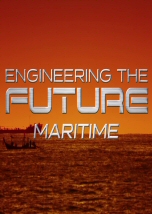
The world's shipping industry is facing a major challenge. If global shipping were a country it would be the sixth largest producer of greenhouse gas emissions. At current growth rates, if we do nothing, those emissions could double or even triple by 2050. But shipping companies and engineers are creating remarkable new machines to make their industry greener, using a resource that has moved man across the world’s oceans for thousands of years…Wind.
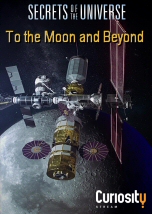
We’re going back to the moon. Plans are being made, hardware is being designed, built, and tested to return humans to the moon and beyond in a new era of American space exploration. This episode explores how we did it in the past, and how and why we will do it again. The moon is critical to future explorations: it will be where we learn to build sustainable colonies on other worlds.
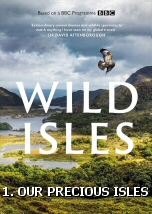
In the first episode, Sir David Attenborough reveals the unexpected wildlife riches of the British Isles, showcasing the dramatic and spectacular habitats that rival any across the globe. This journey uncovers the diversity of life in the UK's unique landscapes, from the intricate world of bumblebees to the swift lives of kingfishers. The episode captures extraordinary scenes of nature, including killer whales preying on seals, golden eagles in the Scottish mountains, the cunning tactics of woodland plants, and the perilous life of puffins evading gulls. It highlights Britain's geological diversity as a cornerstone of its natural wealth, contributing to an array of habitats and supporting a wide range of life. Britain's importance extends to being a haven for migratory birds, with our seas feeding 65% of the world's gannets and supporting the largest colony of northern gannets on Scotland's Bass Rock. The west coast of Scotland offers sanctuary to barnacle geese due to its abundant food and mild climate, though they remain vigilant against hunting sea eagles. Despite these natural treasures, Britain faces challenges as one of the most nature-depleted countries globally. Sir David Attenborough emphasizes the need to conserve and restore these wild isles for the enjoyment and benefit of future generations.



















This episode addresses the broader issue of habitat destruction, emphasizing its role as a primary driver of extinction. It poignantly demonstrates the interconnectivity of life on Earth and the critical importance of conservation efforts.