A new force threatens our perfect planet. In the past, five mass extinction events were caused by cataclysmic volcanic eruptions. It was not the lava or ash that wiped out life, but an invisible gas released by volcanoes: carbon dioxide. Almost every part of modern life depends on energy created by burning fossil fuels, and this produces CO2 in huge amounts. Humans are changing our planet so rapidly, it’s affecting earth’s life support systems: our weather, our oceans and the living world. The greatest change to be made is in how we create energy, and the planet is brimming with natural power that can help us do just that. It’s these forces of nature - the wind, the sun, waves and geothermal energy - that hold the key to our future. Through compelling animal-led stories and expert interviews, we discover how CO2 is destabilising our planet. We meet rescued orphaned elephants in Kenya, victims of ever worsening droughts, and join ocean patrols off the coast of Gabon fighting to save endangered sharks. In the Amazon, we witness wildlife teams saving animals in the shrinking forests, and in San Diego we enter a cryogenic zoo preserving the DNA of endangered species before they become extinct.
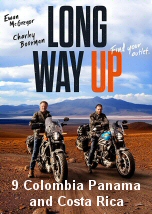
For Charley Boorman and Ewan McGregor, their journey in the smooth Ecuadorian roads would most definitely have come as a relief after some rough terrain riding. Next up, they stop by one of the factories that make the famed Panama hats. One of the local producers explains that making them by hand takes roughly up to a month. At the other end, the crew on the Rivians make a dash for Central America where they have to ferry their trucks across as the Darién Gap blocks their path. On their way, they make a quick pitstop at one of the cacao factories to know more about cocoa production, one of the economic drivers of the country.
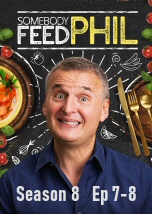
The episode is a journey through the human gut and the process of turning food into energy to keep the body going. Humans have turned eating into culture, a way to celebrate our roots, to bring us together. But food is really just one thing: Fuel. It's where you get the power to live your life. Even when you're sitting completely still, your body needs a lot of energy to stay on. But nowhere is the need for fuel more apparent than when you push yourself to the absolute limit. And the microbiome, the bacteria living in our gut, plays a great role in all this.
Ewan and Charley swap their e-Harley Davidsons for plane first and follow it up with a journey by ship to Panama. McGregor's bike needs some repairs and will be fixed by the time they reach Costa Rica. The ship they travel in with the bikes looks like a beaten-down vessel that raises genuine concerns about making the journey in one piece. The boat crew looks sharp and proactive while trying to make the show crew's journey as comfortable and safe as possible. The episode also introduces Nuqui, one of the wettest regions in the world where the ship quickly makes a pitstop to fuel up on essential supplies.
In the 80s the nature of the Latino Diaspora changes again. From Cuba a second wave of refugees to United States – the Mariel exodus – floods Miami . The same decade sees the sudden arrival of hundreds of thousands of Central Americans (Salvadorans, Guatemalans, and Nicaraguans) fleeing death squads and mass murders at home like activist, Carlos Vaquerano. By the early 1990s, a political debate over illegal immigration – has begun. Globalization, empowered by NAFTA, means that as U.S. manufacturers move south, Mexican workers head north in record numbers. A backlash ensues: tightened borders, anti-bilingualism, state laws to declare all illegal immigrants felons. But a sea change is underway: the coalescence of a new phenomenon called Latino American culture-as Latinos spread geographically and make their mark in music, sports, politics, business, and education.
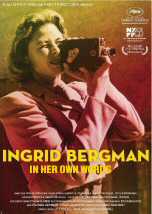
(Click CC for subtitles) Whether headlining films in Sweden, Italy, or Hollywood, Ingrid Bergman always pierced the screen with a singular soulfulness. Seven time Academy Award-nominee and three time Academy Award-winner Bergman was one of the most talented actresses of Hollywood's Golden Age with great performances in films such as Casablanca (1942), Gaslight (1944) and and Autumn Sonata (1978). In spring 2011, director Stig Björkman meets Ingrid Bergman's daughter Isabella Rossellini and she suggests him to 'make a film about Mama'. Through Isabella, Stig is able to tell Ingrid's story through her own words and images. With never-before-seen private footage, notes, letters, diaries and interviews with her children, this documentary presents a personal portrait and captivating look behind the scenes of the remarkable life of a young Swedish girl who became one of the most celebrated actresses of American and World cinema.





Through compelling animal-led stories and expert interviews, we discover how CO2 is destabilising our planet. We meet rescued orphaned elephants in Kenya, victims of ever worsening droughts, and join ocean patrols off the coast of Gabon fighting to save endangered sharks. In the Amazon, we witness wildlife teams saving animals in the shrinking forests, and in San Diego we enter a cryogenic zoo preserving the DNA of endangered species before they become extinct.