Planets beyond our solar system are known to astronomers as exoplanets. They are at trillions of miles from Earth and yet, it might be possible to detect a faint signature of life in them. From the light of the stars they orbit that passes through the atmosphere of an exoplanet, it is possible to capture the chemical fingerprint of the elements in that atmosphere. The fictional world Eden is orbiting not one star, but two. The light from its twin stars powers photosynthesis, pumping more oxygen into the atmosphere than in Earth, allowing life to thrive. Grazers are constantly alert to danger, because the canopy is home to predators perfectly evolved to live among the trees. In Episode 3, another topic are fungi and the role they could play on exoplanets. Ecologist Thomas Crowther talks about the role mycelial networks play in the Rothiemurchus forest in Scotland.
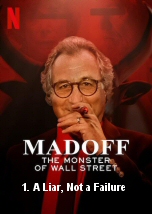
This TV series delves into the rise and fall of Bernie Madoff, the man behind the largest fraud in US history. With his Ponzi scheme, Madoff bilked $65 billion from unsuspecting victims, marking one of the greatest cons in the history of investment banking. The series offers an intriguing look into the mind of this monumental swindler. In the first episode we will see how Bernie Madoff starts his career in penny stock trades and builds a lucrative side business as an adviser, attracting clients with impressive returns.
The way that wars are fought is constantly evolving. In the warfare of today and the future, it's the push of a button rather than the pull of a trigger, bringing disorder without a single soldier setting foot on the ground. The real-world battlefield has morphed from the bloody trenches of the front line into an age of cyber warfare. From collapsing all the infrastructure of a country to changing minds for elections, any threat you can imagine can be done.
Experience the remarkable career of Arnold Schwarzenegger, a man who lived three lifetimes – from bodybuilding champion to Hollywood icon to California governor. Delve into the captivating series 'Arnold' and witness the incredible journey of this multifaceted legend. The first episode explores his journey from a challenging childhood in Austria to becoming a dominant force in the world of bodybuilding. Despite a problematic family environment, Arnold's inner strength and determination fueled his pursuit of excellence. He competed relentlessly, amassing an impressive 13 world bodybuilding championships, including Mr. Olympia. As Arnold's bodybuilding career reached its pinnacle, he decided to transition into acting, driven by a vision to become a star. Throughout the series, Arnold's indomitable spirit and unrelenting commitment to his aspirations serve as a testament to the remarkable journey that transformed him from an iconic bodybuilder and actor to prominent politician.
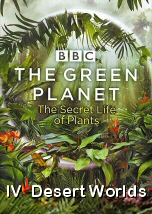
Plants that have developed to thrive in the desert, including cacti that grow in the shade of other trees and collect water in pleated trunks that expand and contract - but can also find themselves a host to other plants, like desert mistletoe. This programme also reveals how tobacco plants being eaten by caterpillars are able to summon the creatures' natural predators, and how tumbleweeds roll across the landscape, only unfurling and growing when they encounter rain.
Until World War II, Latino immigration to the United States was overwhelmingly Mexican-American. Now three new waves bring large-scale immigration from Puerto Rico, Cuba, and the Dominican Republic. As the Puerto Rican government implements a historic overhaul over a million Puerto Ricans are encouraged to leave for the US mainland, to alleviate the economic pressure. A young Juanita Sanabria arrives in New York, works hard in the garment district, but encounters hostility and discrimination. Ethnic tensions explode in youth gang warfare depicted in films like West Side Story, etching the stereotype of the knife wielding Puerto Rican in the American consciousness.




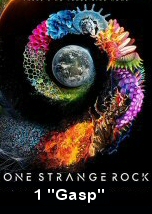






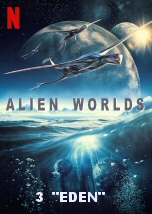





The fictional world Eden is orbiting not one star, but two. The light from its twin stars powers photosynthesis, pumping more oxygen into the atmosphere than in Earth, allowing life to thrive. Grazers are constantly alert to danger, because the canopy is home to predators perfectly evolved to live among the trees. In Episode 3, another topic are fungi and the role they could play on exoplanets. Ecologist Thomas Crowther talks about the role mycelial networks play in the Rothiemurchus forest in Scotland.