Journeying from pole to pole, The series 'Frozen Planet II' reveals surprising worlds that exist across the planet and the remarkable animals that make them their home. In a fragile world of beauty and hostility, nature finds a way to survive and thrive. David Attenborough explores a planet on the brink of major change. In the first episode, we begin our journey in the far south, in the most hostile place on earth, the frozen continent of Antarctica. After being raised on the ice in winter, emperor penguin chicks find themselves abandoned by their parents in spring. To survive, they must find their own way across the treacherous sea ice to the rich waters of the Southern Ocean. The waters surrounding Antarctica may be the richest of all, but they are also home to an exceptionally sophisticated predator, the killer whale. To reach their favored prey, Weddell seals, a family of killer whales have learnt to generate their own waves, washing the seals off their ice floes. It’s a technique that has been passed down over generations and is coordinated by the family matriarch, who can be over 100 years old. Leaving Antarctica and travelling north, we discover frozen habitats that are created by altitude. The greatest of these is the Himalaya, the tallest mountain range on earth, which contains so much ice and snow it is known as the third pole. In the shadow of the Himalaya lies a vast frozen grassy plain that is home to the fluffiest cat in the world, Pallas’s cat. It may have extremely dense fur, but if it’s to survive the Mongolian winter, it needs to catch lots of gerbils and voles. Easier said than done when you only have short legs and paws that are sensitive to the cold. North of the Great Steppe lies the boreal forest, which encircles the continents of North America, Europe and Asia, and remains frozen for six months of the year. Prowling these forests in the far east of Russia is the Siberian tiger, the largest cat in the world. In winter, it is on the lookout for black bears hibernating in caves, a high-risk strategy that only a cat of this size would attempt. Above the boreal forest, we cross into the Arctic Circle, where conditions become so extreme that trees can no longer grow. This is the tundra. Living here are relics of the last ice age, musk ox. In spring, their calves face a far greater danger than the cold, grizzly bears. Encounters can be brutal, but if just a few calves survive the gauntlet, the herd’s future is secure. To the north of the tundra is the Arctic Ocean, the only ocean that can completely freeze over. Living here is one of the most peculiar animals on earth, the hooded seal. Males have extraordinary inflatable noses, producing a bright red balloon out of their left nostrils. One male hopes this will make him irresistible. All of the frozen habitats share one thing in common: the threat posed by today’s climate change. Travelling to the island of Greenland, home to the largest body of ice in the northern hemisphere, we witness how global warming is melting its ice cap at faster rates than ever before, with profound consequences for global sea levels. Lastly, we visit the Arctic’s most iconic resident, the polar bear, as a mother bear struggles to provide for her cubs in a world of shrinking sea ice.
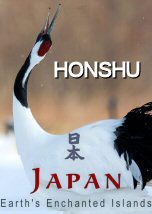
Japan's landscapes range from snowy mountains to subtropical warmth. They are full of wildlife - and animals' and people's lives often cross as they adapt to these extremes. The central island of Honshu is home to over 100 million people, and its biggest city, Tokyo, is one of the largest urban metropolises on earth. But it has a wild heart - most of Honshu is mountainous. This wilderness is home to an astonishing range of wildlife - black bears, monkeys, exquisite fireflies and even cow demons. But all across this island, from the mountains to the edge of the sea, people and nature are drawn together in the most unexpected ways.
Sir David Attenborough presents Asia, an epic seven-part series that takes viewers on an extraordinary journey through the vast and diverse landscapes of the largest continent on Earth. From snow-capped mountain ranges and ancient forests to searing deserts and rich coastlines, this groundbreaking series reveals the astonishing wildlife and hidden natural wonders that define Asia’s breathtaking beauty and complexity. The adventure begins in spectacular fashion beneath the surface of Asia’s oceans. In this visually stunning first episode, we dive into a world few have seen—an underwater realm filled with vibrant coral gardens, mysterious sunken ruins, and pristine marine habitats untouched by time. Alongside renowned marine scientists and local experts, we encounter majestic whale sharks, soaring manta rays, ancient sea turtles, glowing jellyfish, and otherworldly nudibranchs. But as we uncover the secrets of these magical ecosystems, we also face the urgent environmental challenges that threaten their survival. Awe-inspiring and thought-provoking, this opening episode sets the tone for a series that is as visually dazzling as it is vital to understanding the future of our natural world.
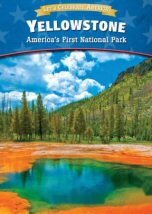
On a vast plateau cradled in the heart of the rocky mountain range lies two million acres of unspoiled wilderness, never farmed and never fenced. Canyons, lakes, rivers and mountains, a refuge for magnificent animals and a spiritual sanctuary for generations of Americans, all resting on the largest super volcano in North America. This is Yellowstone, America's first national park, a raw and powerful beauty that truly comes to life through immersive 3D.
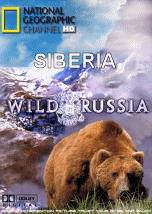
From east to west, via mountains, volcanoes, deserts, lakes and Arctic ice, this breathtaking series uses stunning cinematography to chart the dazzling natural wonders of this vast country. Accounting for around 10 per cent of the world’s dry land, Siberia is famous as a brutally cold place. Yet it is home to a diverse range of habitats and animal life – including musk deer, camels, gazelles and the extraordinary Siberian salamander, which can spend years encased in -40°C ice and still survive.
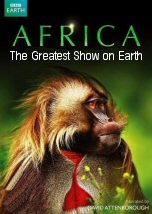
Sir David Attenborough takes a breath-taking journey through the vast and diverse continent of Africa as it's never been seen before. From the richness of the Cape of Good Hope to blizzards in the high Atlas Mountains, from the brooding jungles of the Congo to the steaming swamps and misty savannahs, Africa explores the whole continent. An astonishing array of previously unknown places are revealed along with bizarre new creatures and extraordinary behaviours. Using the latest in filming technology including remote HD cameras, BBC One takes an animal's eye view of the action. The journey begins in the Kalahari, Africa's ancient southwest corner, where two extraordinary deserts sit side by side and even the most familiar of its creatures have developed ingenious survival techniques. Black rhinos reveal a lighter side to their character as they gather around a secret waterhole. Springbok celebrate the arrival of rains with a display of 'pronking'. Bull desert giraffes endure ferocious battles for territory in a dry river bed.










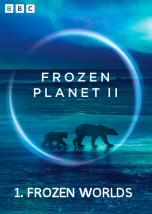










In the first episode, we begin our journey in the far south, in the most hostile place on earth, the frozen continent of Antarctica. After being raised on the ice in winter, emperor penguin chicks find themselves abandoned by their parents in spring. To survive, they must find their own way across the treacherous sea ice to the rich waters of the Southern Ocean.
The waters surrounding Antarctica may be the richest of all, but they are also home to an exceptionally sophisticated predator, the killer whale. To reach their favored prey, Weddell seals, a family of killer whales have learnt to generate their own waves, washing the seals off their ice floes. It’s a technique that has been passed down over generations and is coordinated by the family matriarch, who can be over 100 years old.
Leaving Antarctica and travelling north, we discover frozen habitats that are created by altitude. The greatest of these is the Himalaya, the tallest mountain range on earth, which contains so much ice and snow it is known as the third pole. In the shadow of the Himalaya lies a vast frozen grassy plain that is home to the fluffiest cat in the world, Pallas’s cat. It may have extremely dense fur, but if it’s to survive the Mongolian winter, it needs to catch lots of gerbils and voles. Easier said than done when you only have short legs and paws that are sensitive to the cold.
North of the Great Steppe lies the boreal forest, which encircles the continents of North America, Europe and Asia, and remains frozen for six months of the year. Prowling these forests in the far east of Russia is the Siberian tiger, the largest cat in the world. In winter, it is on the lookout for black bears hibernating in caves, a high-risk strategy that only a cat of this size would attempt.
Above the boreal forest, we cross into the Arctic Circle, where conditions become so extreme that trees can no longer grow. This is the tundra. Living here are relics of the last ice age, musk ox. In spring, their calves face a far greater danger than the cold, grizzly bears. Encounters can be brutal, but if just a few calves survive the gauntlet, the herd’s future is secure.
To the north of the tundra is the Arctic Ocean, the only ocean that can completely freeze over. Living here is one of the most peculiar animals on earth, the hooded seal. Males have extraordinary inflatable noses, producing a bright red balloon out of their left nostrils. One male hopes this will make him irresistible.
All of the frozen habitats share one thing in common: the threat posed by today’s climate change. Travelling to the island of Greenland, home to the largest body of ice in the northern hemisphere, we witness how global warming is melting its ice cap at faster rates than ever before, with profound consequences for global sea levels. Lastly, we visit the Arctic’s most iconic resident, the polar bear, as a mother bear struggles to provide for her cubs in a world of shrinking sea ice.