



Last Watched

"Places on the Globe"  Sort by

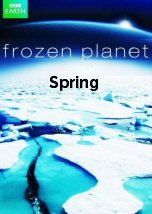
Frozen Planet: Spring

   2011    Nature
Spring arrives in the polar regions, and the sun appears after an absence of five months; warmth and life return to these magical ice worlds - the greatest seasonal transformation on our planet is underway. Male Adelie penguins arrive in Antarctica to build their nests - it takes a good property to attract the best mates and the males will stop at nothing to better their rivals! But these early birds face the fiercest storms on the planet. In the Arctic, a polar bear mother is hunting with her cubs. Inland, the frozen rivers start to break up and billions of tons of ice are swept downstream in the greatest of polar spectacles. This melt-water fertilizes the Arctic Ocean, feeding vast shoals of Arctic cod and narwhal. The influx of freshwater accelerates the breakup of the sea-ice - an area of ice the size of Australia will soon vanish from the Arctic. On land, a woolly bear caterpillar emerges from the snow having spent the winter frozen solid. Caterpillars normally become moths within months of hatching, but life is so harsh here that the woolly bear takes 14 years to reach adulthood. Once mature it has only days to find a mate before it dies! Alongside the caterpillars white Arctic wolves race to raise their adorable cubs before the cold returns.
Series: Frozen Planet
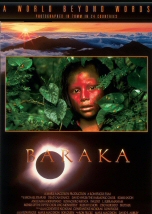
Baraka

       Culture
Without words, Ron Fricke shows us the world, with an emphasis not on 'where,' but on 'what's there.' It begins with morning, natural landscapes and people at prayer: volcanoes, water falls, veldts, and forests; several hundred Balinese Hindu men perform kecak, the monkey chant. Indigenous peoples apply body paint; whole villages dance. The film moves to destruction of nature via logging, blasting, and strip mining. Images of poverty, rapid urban life, and factories give way to war, concentration camps, and mass graves. Ancient ruins come into view, and then a sacred river where pilgrims bathe and funeral pyres burn. Prayer and nature return. A monk rings a huge bell; stars wheel across the sky. (Click CC for places description)

Seven Worlds One Planet Best Of

   2019    Nature
The most spectacular moments from the Seven Worlds, One Planet series that highlights the incredible rich and wonderful diversity of life found on our planet's seven unique continents. Millions of years ago incredible forces ripped apart the Earth's crust creating our seven continents - each with its own distinct climate, its own distinct terrain and its own unique animal life. Narrated by David Attenborough.

The Last Reef

       Nature    3D    HD
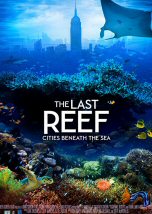
Fly across iridescent tropical reefs, brush through a cloud of a million jellyfish, visit an alien world where the closer you look, the more you see, where the tiniest creatures support the greatest predators... We think of reefs as exotic, distant places with little or no connection to our everyday world. Yet every reef is a living city beneath the sea with a parallel existence to ours, distant yet undeniably connected. Reefs are hotspots of biodiversity as vital to life on earth as the rain-forests. They have been shaping our shorelines, literally forming islands and mountains, for millions of years. The fossil record shows that given time they have recovered from all of earth's major extinction events. Even reefs pulverised by atomic blasts at Bikini Atoll have regenerated. Yet within our lifetime reefs have come to face their greatest threat...

Orbit: Earth Extraordinary Journey July to December

   2012    Nature
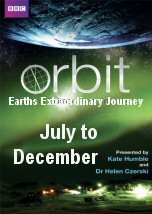
Right now, you're hurtling around the Sun at 64,000 miles an hour. In the next year, you'll travel 584 million miles, to end up back where you started. In this spectacular series, presenters Kate Humble and Dr Helen Czerski follow the Earth's voyage around the Sun for one complete orbit, to witness the astonishing consequences this journey has for us all. From seasonal extremes to destructive weather, they travel the world to experience the great events that are shaped by our journey around the Sun." They venture back in time to show how the Earths orbit has changed, and the astounding effect this has had on the planet. For the first time ever, this astonishing series charts the progress of the Earth as it undertakes its incredible annual orbit around the Sun. From stunning space imagery to in-your-face storm chasing, this series showcases the incredible power of our planets epic journey around the Sun. In this first episode they travel from July to the December solstice, experiencing spectacular weather and the largest tides on Earth. To show how the Earth's orbit affects our lives, Helen jumps out of an aeroplane and Kate briefly becomes the fastest driver on Earth.
Series: Orbit: Earth Extraordinary Journey

Antarctica: A Year on Ice

   2013    Nature
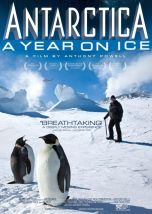
A visually stunning journey to the end of the world with the hardy and devoted people who live there year-round. The research stations scattered throughout the continent host a close-knit international population of scientists, technicians and craftsmen. Isolated from the rest of the world, enduring months of unending darkness followed by periods when the sun never sets, Antarctic residents experience firsthand the beauty and brutality of the most severe environment on Earth. Capturing epic battles against hellacious storms, quiet reveries of nature's grandeur, and everyday moments of work and laughter, this unique documentary shows a steadfast community thriving in a land few humans have experienced. Using specially modified cameras and spectacular time-lapse photography, filmmaker Anthony Powell captures the splendor of the region like no film before. ANTARCTICA: A YEAR ON ICE gives testament to the planet's natural wonders, humanity's thirst for adventure, and the emotional extremes that accompany a year within the last pristine wilderness on the planet.