The last chapter explains how the 2010s became another lost decade in the fight against climate change – as the move to natural gas delayed a transition to more renewable sources of energy. Engineer Tony Ingraffea, in the 1980s, helped develop a new technique for extracting gas and oil from shale rock, which ultimately became known as 'Fracking'. It was to unleash vast new reserves of fossil fuels and was promoted as a cleaner energy source. But Ingraffea explains how he later came to regret his work when he realized that gas could be even worse for climate change than coal and oil. Dar-Lon Chang, a former ExxonMobil engineer, speaks for the first time on camera alleging that as the company increased its natural gas operations, it was not sufficiently monitoring methane leaks that were contributing to climate change. Now, after a year of unprecedented wildfires, drought and other climate-related disasters, multiple lawsuits are being brought in US courts in efforts to hold Big Oil legally accountable for the climate crisis.
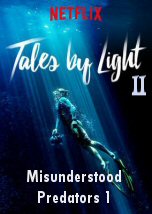
For many animals, the instinct to move is overwhelming, despite the dangers. But for every trip that ends in tragedy, countless millions reach their destination. Allowing them to reap the rewards of better conditions and fresh opportunities. However, we have now changed the planet. Cutting off ancestral routes and impacting even the most remote corners of the globe. But there is hope. We know more about these journeys than ever before. And with our help, many animals are now overcoming the challenges of our modern world. For a healthy and connected planet, we must preserve the freedom to move.
Curiosity over the man calling himself a messiah makes Waco the center of a media circus. FBI negotiation and rescue teams clash over the use of force. The negotiating team established contact with Koresh inside the compound. Communication over the next 51 days included telephone exchanges with various FBI negotiators. Koresh himself had been seriously injured by a gunshot. As the standoff continued, he and his closest male associates negotiated delays, so that he could possibly write religious documents, which he said he needed to complete before his surrender. Koresh's conversations with the negotiators were dense and they also included biblical imagery. The FBI negotiators treated the situation as a hostage crisis.
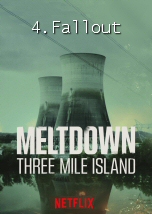
In the last episode, despite disturbing revelations of wrongdoing at Three Mile Island before and after the accident, the utility fights to bring the plant back online. Its Unit 1 had its license temporarily suspended following the incident at Unit 2. Although the citizens of the three counties surrounding the site voted by an overwhelming margin to retire Unit 1 permanently in a non-binding resolution in 1982, it was permitted to resume operations in 1985 following a 4–1 vote by the Nuclear Regulatory Commission. In 2017, it was announced that operations would cease by 2019 due to financial pressure from cheap natural gas, unless lawmakers stepped in to keep it open. Unit 1 shut down on September 20, 2019. Billed as the worst nuclear incident in U.S. history, what’s particularly scary here is how close Three Mile Island incident came to becoming a national disaster. Without giving away the whole story, cost-cutting 'solutions' almost cause a catastrophic disaster.
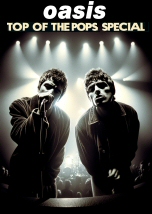
A rare and hard-to-find concert of the band at the pinnacle of their fame. This performance offers an intimate glimpse into the energy and raw talent that propelled Oasis to be Britpop's defining act. Viewers are treated to a setlist brimming with anthems that have since become the hymns of a generation. The program not only features electrifying live renditions but also provides candid insights into the band's dynamics, including the legendary brotherly feuds that are as much a part of Oasis's story as their music. This special is a must-watch for music enthusiasts, offering a unique snapshot of a band that epitomized the spirit of the 90s and continues to influence artists around the globe.
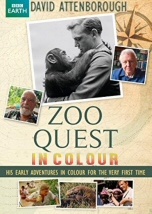
Thanks to a recent remarkable discovery in the BBC's Film Vaults, the best of David Attenborough's early Zoo Quest adventures can now be seen as never before - in colour - and with it the remarkable story of how this pioneering television series was made. First broadcast in December 1954, Zoo Quest was one of the most popular television series of its time and launched the career of the young David Attenborough as a wildlife presenter. Zoo Quest completely changed how viewers saw the world - revealing wildlife and tribal communities that had never been filmed or even seen before. Broadcast ten years before colour television was seen in the UK, Zoo Quest was thought to have been filmed in black and white. Until now. Using this extraordinary new-found colour film, together with new behind the scenes stories from David Attenborough and cameraman Charles Lagus, this 90 minute special showcases the very best of Zoo Quest to West Africa, Zoo Quest to Guiana and Zoo Quest for a Dragon in stunning HD colour for the very first time.

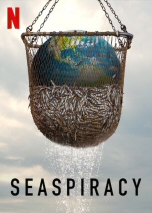
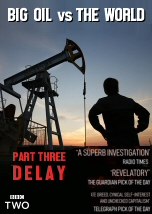



Engineer Tony Ingraffea, in the 1980s, helped develop a new technique for extracting gas and oil from shale rock, which ultimately became known as 'Fracking'. It was to unleash vast new reserves of fossil fuels and was promoted as a cleaner energy source. But Ingraffea explains how he later came to regret his work when he realized that gas could be even worse for climate change than coal and oil.
Dar-Lon Chang, a former ExxonMobil engineer, speaks for the first time on camera alleging that as the company increased its natural gas operations, it was not sufficiently monitoring methane leaks that were contributing to climate change. Now, after a year of unprecedented wildfires, drought and other climate-related disasters, multiple lawsuits are being brought in US courts in efforts to hold Big Oil legally accountable for the climate crisis.