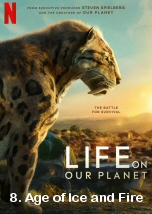
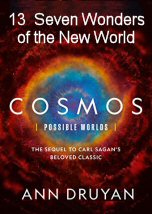
The final episode begins with a description of the extreme cold conditions that characterized the beginning of the Holocene period, and how species like the bison and the wolf adapted to survive in these hostile environments. We will witness the majesty of the woolly mammoth and the fierce cave lion, with a vivid reconstruction of their struggles for survival. We'll see the impact of climate change during this period, from the expansion of the deserts to the transformation of the tropical rainforests of Africa into grasslands, deeply affecting primates and other animals. It highlights how these changes forced primates to adapt to life on the ground, facing new challenges and predators. A crucial turn occurred with the emergence of humans as dominant predators and their influence on the extinction of large mammals. The documentary describes humanity's transition from hunter-gatherers to farmers, a change that radically altered the landscape and biodiversity of the planet. Finally, it poses a reflection on the current challenges of climate change and the sixth mass extinction, inviting viewers to consider humanity's crucial role in shaping the future of the Earth.
Continuing your bloodline is life's ultimate mission. In this unpredictable world, animals will do whatever it takes to keep their families safe. When family sticks together, communicating, collaborating and combining as one, everyone has the very best chance of survival. It takes every superpower possible to protect and provide for the family and secure the future for a new generation of amazing animals.
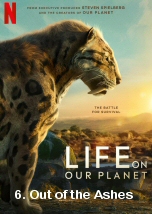
The sixth episode of the series narrates the fascinating story of the evolution and survival of life on our planet after the catastrophic event that marked the end of the era of dinosaurs, 66 million years ago. Through a visually stunning journey, we will see the impact of the meteorite and all its consequences in detail. We will also discover how the animals and plants that survived the mass extinction adapted, evolved, and diversified to fill the ecological niches left by the dinosaurs. From the first mammals and birds that emerged from the ashes to dominate the Earth, to the formation of complex ecosystems in the oceans and on land, the documentary offers a unique vision of the resilience and innovation of life on our planet. With impressive imagery and exciting stories, it reveals how life, against all odds, thrived after one of the most devastating events in Earth's history. This documentary is a testament to the unbreakable strength of life and its ability to adapt and flourish even in the most adverse conditions.
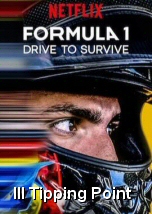
Red Bull's Max Verstappen pulls off a string of victories. Lewis Hamilton of Mercedes struggles to keep pace. Later, an accident leads to controversy. We will see more Red Bull vs Mercedes, with a bit of Ferrari thrown in. Again Wolff and Horner engage in what appear to be pretty staged chats with their loved ones over the first meal of the day about the intensity of the championship fight but also pumpernickel. Monaco plays out brilliantly for Red Bull and miserably for Mercedes, but several laps of Horner’s garden still look more exciting than that ’21 GP round the principality. Things all come to a head at the British GP, and we will all know how that ends. Cue more swearing and breakfast war-planning.
The images of brothers Tamerlan and Dzhokhar Tsarnaev are released to the public setting off a violent chain of events. Meanwhile, clues from their past tell a complicated story - how was the radicalization of the ethnically Chechen brothers and the existence of potential collaborators. The post-9/11 biases played a role in the investigation.


















A crucial turn occurred with the emergence of humans as dominant predators and their influence on the extinction of large mammals. The documentary describes humanity's transition from hunter-gatherers to farmers, a change that radically altered the landscape and biodiversity of the planet. Finally, it poses a reflection on the current challenges of climate change and the sixth mass extinction, inviting viewers to consider humanity's crucial role in shaping the future of the Earth.