The film is focused on and celebrating the radical changes in postwar Britain under the Labour government of Clement Attlee, which came to power in 1945. Relying primarily on archive footage and interviews, and without a narrative voiceover, the documentary recounts the endemic poverty in prewar Britain, the sense of optimism that followed victory in World War II and the subsequent expansion of the welfare state, founding of the National Health Service and nationalisation of significant parts of the UK's economy. The film documents the extent to which these achievements, as the filmmaker Ken Loach sees them, have since been subject to attack in the decades that followed, particularly under the Conservative governments of Margaret Thatcher in the 1980s
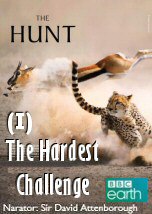
The contests between predators and prey are the most dramatic events in nature. Taking an intimate and detailed look at the remarkable strategies employed by hunters to catch their prey and the hunted to escape. Sir David Attenborough narrates. "The Hardest Challenge" reveals the extraordinary range of techniques predators use to catch their prey - from a leopard using all its powers of stealth to stalk impala in broad daylight to wild dogs, whose tactic is to wear down their prey over long distances; from Nile crocodiles, the planet's most patient predators, to killer whales who use teamwork and intelligence to take on humpback whales. But even with these finely tuned strategies, the outcome is far from certain. Surprisingly, most predators fail most of the time.
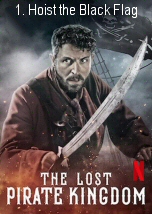
In this documentary series we will see how the real-life pirates of the Caribbean violently plunder, stealing and form a surprisingly egalitarian republic. The historical drama portrays the rise and fall of the eponymous early-18th century pirate republic based in Nassau, Bahamas. The series begins in 1715, shortly after the close of the War of the Spanish Succession, which pitted England against Spain. England had waged the war on the cheap, resorting to the use of privateers rather than incurring the expense of fully funding the Royal Navy. The ending of this war leaved thousands of Caribbean privateers unemployed, when the wreck of a treasure fleet creates new opportunities.
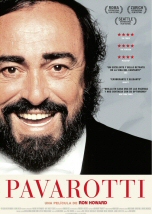
Pavarotti is a riveting film that lifts the curtain on the icon who brought opera to the people. Ron Howard puts audiences front row center for an exploration of the voice, the man, the legend. Luciano Pavarotti gave his life to the music and a voice to the world. This cinematic event features history-making performances and intimate interviews, including never-before-seen footage and cutting-edge Dolby Atmos technology. Born in 1935 in Modena in a worker-class family, Luciano Pavarotti felt since his childhood the passion by opera due to his father, an amateur tenor. Blessed with a powerful voice and student of the most important Italy's opera teachers of those times, soon the name of Pavarotti turned in a reference of the genre, giving some of the most remembered live performances in the most important theaters across the world, meeting with politicians and world leaders as well as rock and pop singers to bring concerts for humanitarian causes, over-passing any limit when he was part of The Three Tenors with the too opera singers José Carreras and Plácido Domingo.
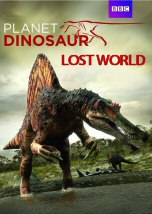
Planet Dinosaur is sure to please budding paleontologists and older dinosaur fans alike. Narrated by John Hurt, more than 50 different prehistoric species featured in this series and they and their environments were created entirely as computer-generated images. The first episode is 95 million years ago, Late Cretaceous in North Africa. We will see Ouranosaurus, Spinosaurus, Onchopristis (a giant sawfish), Rugops, Carcharodontosaurus, Sarcosuchus, pterosaur.
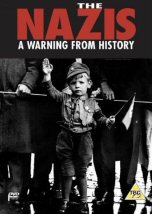
The BBC's definitive television history of the rise and fall of the Nazis. The Nazis - A Warning From History exposes the popular myths surrounding the rise and fall of the Third Reich. The series explores how the Nazis came to power, how they ruled, how they treated their occupied territories and, above all, how a cultured nation could be responsible for such acts of inhumanity. How could a political party as fundamentally evil and overtly racist as the Nazis come to power? This remains one of the most enigmatic questions of the last century. Acclaimed historian Laurence Rees examines what led a cultured nation at the heart of Europe to commit the atrocities it did. In so doing, he exposes popular myths and encourages understanding of the real forces that led to one of the darkest chapters in modern history. Was it simply the hypnotic power of Hitler's rhetoric? Did the Gestapo really impose themselves by terror on an unwilling population? Through interviews with witnesses and perpetrators, along with archive film and records, this six-part series unveils a more chilling reality.







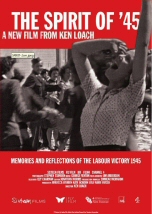




The film documents the extent to which these achievements, as the filmmaker Ken Loach sees them, have since been subject to attack in the decades that followed, particularly under the Conservative governments of Margaret Thatcher in the 1980s