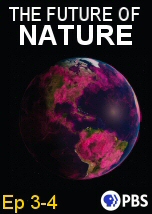
In the final two episodes, the focus shifts to forests and humanity’s defining role in the planet’s future. Ancient woodlands emerge as powerful engines of climate balance, storing vast amounts of carbon while sustaining intricate webs of life. Through striking visuals and frontline science, the documentary reveals how the health of the world’s forests is inseparable from the stability of Earth’s climate—and how their decline accelerates global risk. The story then turns inward, asking what responsibility humans bear in shaping what comes next. From indigenous stewardship to bold restoration projects, these episodes explore how human choices can either deepen the crisis or unlock nature’s capacity to heal. It’s a compelling conclusion that reframes our relationship with the natural world, showing that the future of nature is, ultimately, the future of humanity itself.
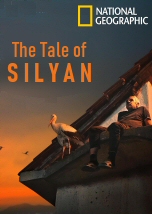
Click CC for subtitles. In a quiet North Macedonian village, a farmer forms an extraordinary bond with a white stork, a creature deeply rooted in local legend and seasonal ritual. What begins as a simple act of care gradually unfolds into a story where nature, folklore, and everyday life merge. Through patient observation and intimate storytelling, the documentary reveals how ancient beliefs still breathe beneath the surface of modern rural life. As the stork becomes both companion and symbol, the film explores themes of belonging, migration, and the fragile balance between humans and the natural world. Blending myth with reality, it offers a poetic meditation on tradition, resilience, and the invisible threads that tie a community to the rhythms of the land and sky.
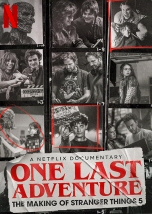
This documentary takes viewers inside the emotional and creative engine behind the final chapter of Stranger Things, offering unprecedented access to how an iconic series comes to an end. Filmed over an entire year on set by filmaker Martina Radwan, it captures the intensity, scale, and pressure of crafting a farewell that must live up to global expectations. From massive set pieces to quiet moments between takes, the film reveals the human effort behind a cultural phenomenon. As production pushes toward its conclusion, the documentary follows cast and crew through long nights, creative breakthroughs, and the weight of saying goodbye. Personal reflections, behind-the-scenes challenges, and raw emotion turn the making of the final season into a story of its own—one about friendship, endurance, and the rare magic that happens when a world beloved by millions is built one last time.
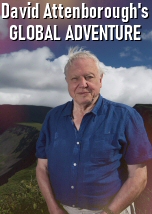
In his mid-eighties, when many believed his journey was winding down, David Attenborough embarked on a bold new chapter in natural history filmmaking. This adventure traces the epic story of life on Earth, from the first organisms that flourished on ancient seabeds hundreds of millions of years ago to the astonishing biodiversity of today. Revisiting iconic landscapes and harnessing cutting-edge technology, Attenborough reveals how our planet’s living tapestry was shaped across deep time. The three episodes can be enjoyed together in a single continuous viewing, creating one sweeping journey across continents and oceans. From the Galápagos Islands to the caves of Borneo, from China’s ancient tropics to the Great Barrier Reef, the series follows Attenborough’s global quest to understand how life rose, adapted, and endured. It is a grand exploration of evolution, resilience, and the fragile beauty of the world we inherit.
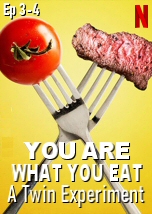
In the final two episodes, the experiment moves from theory to real life as the twins are forced to take full control of their food choices after moving out on their own. Cooking becomes a daily challenge, exposing how habits, convenience, and culture shape what we eat. At the same time, innovators pushing plant-based alternatives step into the spotlight, as growing concerns around animal products raise urgent questions about health and sustainability. As the study reaches its conclusion, the results are finally revealed. Detailed analyses of weight, gut health, and brain function confront the twins with clear, and sometimes surprising, consequences of their diets. What began as a personal test widens into a broader reflection on the future of food, as momentum builds around a changing food industry and the choices that may redefine how we eat.
A joyful and revealing portrait celebrates the life and legacy of Mel Brooks, tracing his journey from the early days of television comedy to global superstardom as one of Hollywood’s boldest satirists. Through rare footage, candid reflections, and stories of friendship and love, the film shows how Brooks used laughter to confront fear, failure, and the absurdities of the human condition, transforming personal experience into timeless comedy. Spanning two episodes that can be enjoyed together as a single, continuous film, the documentary follows Brooks as his career takes flight, shaped by deep creative partnerships, his Jewish heritage, and an unshakable drive to push boundaries. It is a warm, hilarious, and deeply human portrait of an artist who, for nearly a century, has turned humor into resilience, connection, and joy.














The story then turns inward, asking what responsibility humans bear in shaping what comes next. From indigenous stewardship to bold restoration projects, these episodes explore how human choices can either deepen the crisis or unlock nature’s capacity to heal. It’s a compelling conclusion that reframes our relationship with the natural world, showing that the future of nature is, ultimately, the future of humanity itself.