This eye-opening documentary puts a simple but provocative question to the test: how much does what we eat really shape our bodies and our health? In a tightly controlled scientific experiment, identical twins adopt radically different diets and lifestyles for eight weeks, allowing researchers to isolate the impact of food itself. By combining cutting-edge science with deeply personal experiences, the series reveals how diet influences everything from energy and metabolism to long-term wellbeing. In the first two episodes, the experiment begins as each pair of twins commits to either a plant-based or an omnivorous diet. As they adjust to unfamiliar routines, some changes feel surprisingly easy while others expose cravings, doubts, and unexpected challenges. Along the way, questionable dietary advice is put under the microscope, and a celebrity chef rethinks his approach to cooking, highlighting how habits, culture, and taste all collide when science meets the dinner table.
In Episodes 4 and 5 you’ll dive deeper into the emotional journeys as relationships begin to take shape and expectations meet reality. Connor continues building confidence as he navigates new dating opportunities, while James faces both hopeful moments and the frustration of not finding the right connection yet. Madison explores more meaningful interactions, showing both excitement and vulnerability as she opens herself up to love. At the same time, the newer participants begin to reveal their true personalities through real experiences. Logan pushes himself beyond his comfort zone in search of a genuine bond, Emma faces the emotional ups and downs of dating, and Dylan starts to gain confidence as he learns from each encounter. These episodes highlight honest conversations, small breakthroughs, and the unpredictability of relationships, making every moment feel real, relatable, and deeply engaging.
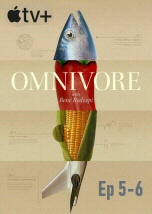
In episodes 5 and 6, you can see how two everyday foods open the door to something far bigger: Memory, survival, tradition and the uneasy bond between humans and the natural world. One journey takes you to La Alberca, in Spain, where the pig is not just an animal but part of a living ritual charged with history, pride and contradiction. The other leads into the rice fields of Kerala, India, where every grain carries the weight of climate, heritage and the fight to preserve ways of life that are slipping away. These chapters do far more than show food on a plate: they reveal beauty, tension and the hidden forces that sustain entire cultures, making each scene feel rich, intimate and impossible to forget.
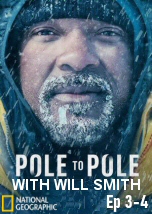
In episodes 3 and 4, the journey intensifies as Will Smith pushes deeper into both the physical and emotional extremes of the planet. In the Amazon, he ventures into dense, unforgiving jungle in search of the elusive green anaconda, confronting fear, danger, and the raw power of one of Earth’s most mysterious predators. Guided by local experts, the expedition becomes a test of courage and trust in a world where nature sets all the rules. The adventure then shifts dramatically to the Himalayas, where the challenge is no longer survival but meaning. High above the clouds, Will explores the idea of happiness alongside monks, scientists, and mountain communities, discovering how isolation, altitude, and ancient wisdom reshape the human mind. Together, these episodes connect the wildness of nature with the inner journey of self-discovery, revealing that the greatest expedition may be the one within.
The strategic battle for Guadalcanal became one of the fiercest air campaigns of the Second World War, where exhausted American pilots flying rugged F4F Wildcat fighters and later the more powerful F4U Corsairs faced relentless Japanese Zero fighters in deadly combat above the Pacific. The documentary recreates intense dogfights between carrier-based aircraft, dive bombers, and torpedo planes as both sides fought desperately for control of the skies and the survival of the island campaign. Through gripping firsthand accounts from the men who survived these missions, the episode captures chaotic aerial battles, emergency landings, and the split-second decisions that transformed young pilots into legendary aces in a single day. Every encounter carried enormous consequences not only for Guadalcanal itself, but for the future balance of power across the Pacific. Combining dramatic combat recreations with real veteran testimonies, the episode delivers a tense and highly immersive portrait of aerial warfare during one of the most decisive campaigns of World War II. From surprise ambushes by agile Mitsubishi Zeros to brutal close-range duels involving Wildcats, Dauntless dive bombers, and torpedo aircraft above jungle-covered islands and burning naval fleets, the documentary places viewers directly inside the fear, adrenaline, and exhaustion experienced by the pilots who fought for Guadalcanal. It becomes an especially compelling experience for anyone fascinated by military aviation, aircraft history, and the savage air battles that shaped the Pacific War.
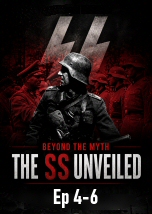
In the final three episodes of the series, the image of elite discipline surrounding the SS is stripped away to reveal a far darker and more disturbing reality. Behind the façade of military excellence lay poorly trained recruits driven not by honor, but by blind ideology and a complete absence of remorse. As their role expands from the battlefield to the brutal control of concentration camps, the narrative exposes how ordinary men became perpetrators of systematic violence, carrying out atrocities with chilling efficiency while maintaining the appearance of normal lives beyond their crimes. These episodes push further into the unsettling contrast between barbarity and everyday existence, showing how members of the SS could participate in unimaginable acts and then return to social settings as if nothing had happened. The story then draws a direct line to the present, confronting the uncomfortable truth that, despite overwhelming historical evidence, remnants of admiration and myth still persist in certain circles. It’s a gripping and unsettling conclusion that forces viewers to question how such distortion of memory can endure—and why it still matters today.













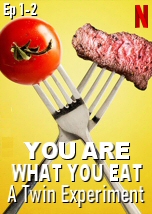





In the first two episodes, the experiment begins as each pair of twins commits to either a plant-based or an omnivorous diet. As they adjust to unfamiliar routines, some changes feel surprisingly easy while others expose cravings, doubts, and unexpected challenges. Along the way, questionable dietary advice is put under the microscope, and a celebrity chef rethinks his approach to cooking, highlighting how habits, culture, and taste all collide when science meets the dinner table.