As climate chaos intensifies, animals across the planet are being pushed into conditions their bodies and instincts were never designed to face. Floods arrive where drought once ruled, storms grow stronger, seas warm and familiar habitats disappear. Narrated by Andrew Lincoln, this six-part natural history series follows wildlife confronting these extremes at close range, revealing not only the destructive power of a changing climate but also the extraordinary ingenuity, resilience and adaptability animals use to survive. In the first three episodes, the struggle begins on an increasingly extreme Earth. Burrowing owls on the North American Great Plains race to protect their chicks from tornadoes, cheetahs in Kenya battle record floods, polar bears search for vanishing sea ice and chimpanzees survive severe drought by digging their own filtered water holes. Rising waters then transform entire ecosystems: pygmy elephants face monsoon floods in Borneo, a platypus is swept into a violent flash flood in Australia, and a lone lioness in the Kalahari turns an unexpected flood into a rare hunting opportunity. Finally, along the world’s coasts, Caribbean flamingos confront a category-five hurricane, anole lizards cling on through violent winds, California sea otters struggle through huge storms and collapsing kelp forests, while clownfish on the Great Barrier Reef face a marine heatwave that threatens the very anemones on which their families depend.
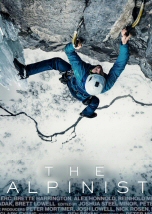
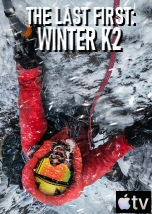
Click CC for subtitles. In the winter of 2021, K2 remained the last great prize of high-altitude mountaineering: the only 8,000-meter peak never climbed in winter. Icelandic climber John Snorri Sigurjónsson and the legendary Pakistani father-and-son team Ali and Sajid Sadpara arrive determined to claim that historic first, facing temperatures far below zero, hurricane-force winds, exhaustion and a mountain already infamous for killing even the strongest climbers. But the expedition soon becomes more than a battle against nature. Commercial teams, influencer climbers, professional film crews and a fiercely ambitious all-Nepalese team converge on the same slopes, turning the ascent into a tense contest of strategy, reputation and national pride. As the climb unfolds, the documentary exposes the changing culture of modern mountaineering: the pressure of social media, the commercialization of the world’s highest peaks, the unequal recognition historically given to Western climbers, and the determination of Nepali and Pakistani mountaineers to claim achievements in their own names. The race for the summit culminates in triumph for one team and tragedy for others, leaving five climbers dead and forcing survivors to confront questions of ambition, responsibility and what a “first” is really worth. Built from extraordinary footage shot during the expedition and testimony from those who were there, the film transforms one of mountaineering’s last untouched records into a gripping story about ego, class, nationalism, family and the deadly cost of pushing beyond human limits.
In episodes 5 and 6, Ragnar’s rise becomes a mortal threat to Earl Haraldson, as prophecy, fear and ambition turn Kattegat into the center of a brutal struggle for power. After the Seer warns that Ragnar seeks his death, Haraldson moves from suspicion to violence, attacking Ragnar’s home and torturing Rollo in an attempt to destroy the challenger before he can grow stronger. Wounded, hunted and betrayed, Ragnar must decide whether survival is enough, or whether the time has come to confront the man who has ruled his people through fear. The conflict explodes into a direct challenge that will decide the future of Kattegat. Still weakened but driven by destiny, Ragnar faces the Earl in a duel where honor, vengeance and leadership are at stake. What follows is not only a fight between two men, but the collapse of an old order and the birth of a new one. With funerals, rituals, loyalty and sacrifice surrounding the change of power, these episodes reveal the dark beauty of Viking tradition and the moment when Ragnar Lothbrok’s legend truly begins to rise.
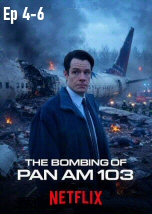
In the final three episodes, the investigation takes a decisive turn when the Frankfurt luggage records and bomb-damaged clothing recovered from the wreckage lead Scottish detectives to Malta. A small clothes shop and the memory of a mysterious customer begin to connect the bomb to a wider international network, while cooperation between Scottish police, the FBI and the CIA becomes increasingly strained. As investigators follow the trail toward Libya, a secret CIA source and similarities with another aircraft bombing appear to offer the breakthrough they have been searching for. More than a decade after Pan Am Flight 103 was destroyed, the case finally reaches the courtroom. Following years of political negotiation, two Libyan suspects stand trial under Scottish law at Camp Zeist in the Netherlands. But the prosecution still depends on fragile witness testimony and painstaking forensic evidence assembled across several countries. As key witnesses are challenged and doubts emerge, the series builds toward a tense question that has haunted the victims’ families since 1988: will the investigation finally deliver justice?
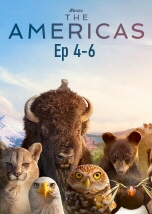
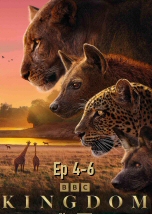
In the next three episodes the journey moves into three radically different worlds where survival depends on mastering water, ice and extreme seasonal change. In the Amazon, giant river otters hunt as a family, black caimans ambush newly hatched turtles, army ants sweep through the forest in highly organized raids and a harpy eagle guards a vulnerable chick high above the jungle floor. The rainforest emerges as a vast living system, shaped by rivers, floods, towering trees and countless species competing for food, space and the chance to raise their young. The story then heads north to Alaska and Canada, where polar bears wait for sea ice, wolves struggle through blizzards, hares evade lynx and immense caribou herds cross dangerous meltwater rivers during their ancient migrations. Finally, along the Gulf Coast, flooded swamps and subtropical wetlands become the stage for black bears, alligators, manatees, burrowing owls and one of America’s rarest wild cats, the ocelot. From the frozen Arctic to the humid marshes of Louisiana, Florida and Texas, these episodes reveal how animals adapt to landscapes that can change completely from one season to the next.
A new chapter unfolds as the series returns with Season 4, continuing its intimate and authentic look at young adults on the autism spectrum navigating love in today’s world. This season brings back familiar faces alongside new participants, expanding the emotional depth and diversity of experiences. With a stronger focus on independence, communication, and real-life expectations, the journey feels more personal than ever. Each story highlights the courage it takes to open up, face rejection, and keep believing that meaningful connection is possible. In the first three episodes, Connor steps back into dating with growing confidence, while James explores new opportunities to meet someone, balancing humor with genuine vulnerability. Madison embraces new romantic experiences, bringing her warmth and optimism into every encounter. Among the newcomers, Logan begins his search for a partner with determination, Emma navigates the uncertainty of first dates, and Dylan takes early steps toward building confidence in social situations. From first impressions to emotional breakthroughs, these episodes offer a clear and engaging look at the challenges and small victories that define the path to love.












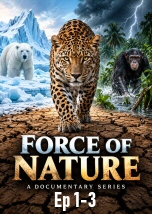





In the first three episodes, the struggle begins on an increasingly extreme Earth. Burrowing owls on the North American Great Plains race to protect their chicks from tornadoes, cheetahs in Kenya battle record floods, polar bears search for vanishing sea ice and chimpanzees survive severe drought by digging their own filtered water holes. Rising waters then transform entire ecosystems: pygmy elephants face monsoon floods in Borneo, a platypus is swept into a violent flash flood in Australia, and a lone lioness in the Kalahari turns an unexpected flood into a rare hunting opportunity. Finally, along the world’s coasts, Caribbean flamingos confront a category-five hurricane, anole lizards cling on through violent winds, California sea otters struggle through huge storms and collapsing kelp forests, while clownfish on the Great Barrier Reef face a marine heatwave that threatens the very anemones on which their families depend.