Around 12,000 years ago, humans began one of the most important transformations in history: the shift from hunting and gathering to farming and permanent settlements. Archaeological sites such as Gobekli Tepe reveal how these early communities lived, what they believed and how agriculture transformed diet, population and social life. Across Europe and the Middle East, prehistoric societies also created huge stone monuments, tombs and ceremonial sites, moving blocks weighing many tons with surprisingly limited technology. Presented here with both episodes combined into a single video, the documentary explores the birth of farming, organized communities, belief systems and monumental architecture during the Stone Age.
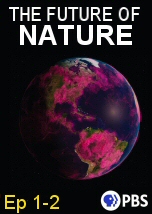
This visionary documentary series asks a bold and urgent question: how can the power of nature itself help repair the damage we have done to the planet and even reverse climate change? Drawing on cutting-edge science and filmed across some of Earth’s most vital ecosystems, the series reveals nature not as a victim, but as one of our strongest allies. It offers a hopeful glimpse into a future where working with natural systems could restore balance, resilience, and abundance on a global scale. In the first two episodes, the focus turns to oceans and grasslands, two of the planet’s most powerful yet underestimated climate regulators. Viewers discover how marine life plays a crucial role in removing carbon from the atmosphere, and how vast grasslands, sustained by thriving animal populations, lock away carbon beneath the surface. Through new research and striking imagery, the episodes show why protecting and restoring these ecosystems is essential to our future—and how human action can help them recover.
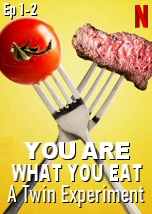
This eye-opening documentary puts a simple but provocative question to the test: how much does what we eat really shape our bodies and our health? In a tightly controlled scientific experiment, identical twins adopt radically different diets and lifestyles for eight weeks, allowing researchers to isolate the impact of food itself. By combining cutting-edge science with deeply personal experiences, the series reveals how diet influences everything from energy and metabolism to long-term wellbeing. In the first two episodes, the experiment begins as each pair of twins commits to either a plant-based or an omnivorous diet. As they adjust to unfamiliar routines, some changes feel surprisingly easy while others expose cravings, doubts, and unexpected challenges. Along the way, questionable dietary advice is put under the microscope, and a celebrity chef rethinks his approach to cooking, highlighting how habits, culture, and taste all collide when science meets the dinner table.
In the final three episodes of Season 2, the struggle for Germania reaches a breaking point as loyalty, vengeance and political ambition collide. Tiberius demands proof that Marbod truly stands with Rome, while Flavus makes a dangerous proposal to Germanicus. At the same time, the Germanic tribal leaders gather to proclaim Marbod king, hoping unity might finally give them the strength to resist Rome. But the fragile alliance is shattered by tragedy, and Marbod is forced to confront Tiberius directly as trust on both sides collapses. The conflict then accelerates toward open war. Thusnelda and Folkwin undertake a perilous mission, Gaius makes a shocking discovery in the forest, and Segestes offers Tiberius a treacherous bargain. With Roman reinforcements approaching by ship, Arminius and the tribes realize they may have only one chance left: strike the Roman camp before a new legion arrives. The season closes with betrayal, sacrifice and a desperate battle for freedom, as every decision threatens to determine whether the Germanic tribes remain divided or finally stand together against Rome.
In Episodes 4 and 5 you’ll dive deeper into the emotional journeys as relationships begin to take shape and expectations meet reality. Connor continues building confidence as he navigates new dating opportunities, while James faces both hopeful moments and the frustration of not finding the right connection yet. Madison explores more meaningful interactions, showing both excitement and vulnerability as she opens herself up to love. At the same time, the newer participants begin to reveal their true personalities through real experiences. Logan pushes himself beyond his comfort zone in search of a genuine bond, Emma faces the emotional ups and downs of dating, and Dylan starts to gain confidence as he learns from each encounter. These episodes highlight honest conversations, small breakthroughs, and the unpredictability of relationships, making every moment feel real, relatable, and deeply engaging.
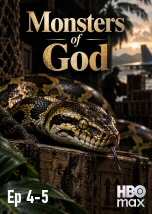
In the final two episodes of the series, the reptile trade enters a new and even more lucrative era. After prison, Tommy Crutchfield returns to find an industry transformed by the rise of genetically altered “morphs”, rare colour and pattern variations that can sell for enormous sums. What appears to be a more legitimate breeding business quickly collides again with illegal trafficking, as Operation Chameleon begins to expose the international network linking collectors, dealers and even major zoological institutions. The investigation then closes in on Anson Wong, the Malaysian trafficker described as one of the most powerful figures in the global reptile trade. As U.S. Fish and Wildlife agents work undercover to penetrate his organization, the story expands from rare snakes and lizards to critically endangered species such as the ploughshare tortoise, whose extraordinary black-market value has helped drive it toward extinction in the wild. These final episodes reveal how obsession, vast profits, corruption and international demand can turn the pursuit of exotic animals into a criminal empire with devastating consequences for wildlife.













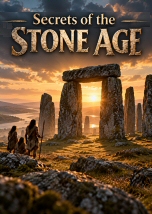



Across Europe and the Middle East, prehistoric societies also created huge stone monuments, tombs and ceremonial sites, moving blocks weighing many tons with surprisingly limited technology. Presented here with both episodes combined into a single video, the documentary explores the birth of farming, organized communities, belief systems and monumental architecture during the Stone Age.