Dementia is one of the fastest-growing health conditions in the UK, yet its earliest warning signs can be difficult to recognise. NHS GP Dr Claire Taylor meets people living with Alzheimer’s and other forms of dementia, explores how the disease changes the brain, and puts herself through innovative tests designed to detect subtle problems with memory, hearing and cognition before more obvious symptoms appear. Along the way, she investigates why some people develop dementia at a younger age, how lifestyle and social isolation may influence risk, and what the latest research says about prevention and treatment. With moving personal stories and access to scientists working at the cutting edge of dementia research, the documentary asks a question that concerns millions: how much can we really know about our own future brain health?
Snakes are among the most feared yet misunderstood predators on Earth. Across the Americas, Australia, Africa, Asia and Europe, more than 100 species reveal extraordinary adaptations that allow them to survive in rainforests, deserts, wetlands, mountains and oceans. Boas and pythons overpower prey with immense strength, while rattlesnakes, cobras, vipers, mambas, taipans and sea snakes deploy some of nature’s most sophisticated venoms, camouflage and sensory abilities. Far from being simple killers, they also play a vital role in controlling rodents and maintaining healthy ecosystems. From black mambas battling for mates and spitting cobras defending themselves with remarkable accuracy to the thousands of pit vipers inhabiting China’s extraordinary Shedao Island, the series reveals hunting techniques and behaviours rarely seen in such detail. Presented here with all three episodes combined into a single video, it offers a spectacular journey into the hidden lives of these highly specialised animals, showing how evolution has made snakes some of the planet’s most efficient and fascinating survivors.
In episodes 5 and 6, Phil continues his joyful culinary adventure, discovering how local culture, landscapes, and traditions shape the flavors of two very different destinations. With his trademark humor and endless curiosity, he meets chefs, locals, and friends who share the dishes and stories that make each place unforgettable. In these two episodes, Phil travels first to Australia, starting with a life-changing breakfast overlooking Bondi Beach before sailing across the spectacular Sydney Harbor to taste fresh local specialties. He then heads to Adelaide, where he visits an Aboriginal vineyard and learns about the deep cultural roots behind Australia’s wine and cuisine. The journey continues in Las Vegas, where Phil explores both the legendary steakhouses of the Strip with Ray Romano and Brad Garrett and the vibrant arts district, discovering bold new flavors that reveal a side of the city far beyond the neon lights.
In the second episode, Abraham Lincoln faces the greatest crisis of his presidency as the Civil War engulfs the nation. With little military experience, he must learn rapidly how to act as commander in chief, challenge hesitant generals and make decisions that will determine the survival of the Union. As battlefield losses mount and the conflict grows more brutal, Lincoln comes to believe that defeating the Confederacy will require more than preserving the nation: slavery itself must be confronted. The episode follows Lincoln as he struggles with military setbacks, political pressure and the enormous human cost of war, while moving toward the Emancipation Proclamation as both a moral and strategic turning point. His relationships with commanders, advisers and abolitionist voices reveal a president evolving under extraordinary pressure, forced to balance principle with pragmatism as he transforms the meaning of the war and the future of the United States.
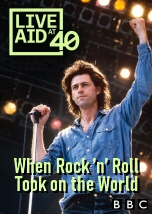
In 1984, horrifying images of famine in Ethiopia inspired Bob Geldof and Midge Ure to turn music into action. What began with Band Aid and the record-breaking “Do They Know It’s Christmas?” soon grew into Live Aid, the unprecedented 1985 concerts at Wembley Stadium and Philadelphia that brought together many of the world’s biggest stars, from Queen and David Bowie to U2, Elton John and Paul McCartney, while hundreds of millions watched around the globe. But the story did not end with one extraordinary day. The movement evolved into a wider campaign against poverty, debt and inequality in Africa, eventually leading to Live 8 and direct pressure on world leaders. Presented here with all three episodes combined into a single video, the series revisits the music, personalities, political battles and enduring legacy of the moment when rock ’n’ roll tried to change the world.
Electric bikes are transforming Britain’s streets, offering a fast and convenient way to travel, but the boom has also brought a growing wave of controversy. The documentary investigates the rise of illegal, high-powered e-bikes capable of speeds far beyond those allowed on public roads, examining dangerous riding, collisions, police seizures and the growing concern of pedestrians and other road users. It also looks at the blurred line between legal pedal-assist bikes and modified machines that behave more like motorbikes, asking whether current laws and enforcement can keep pace with a rapidly changing form of transport. As e-bikes become ever more common, the film explores whether they represent the future of urban mobility or a new threat on Britain’s streets.










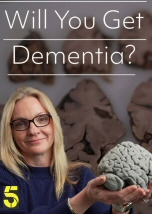




Along the way, she investigates why some people develop dementia at a younger age, how lifestyle and social isolation may influence risk, and what the latest research says about prevention and treatment. With moving personal stories and access to scientists working at the cutting edge of dementia research, the documentary asks a question that concerns millions: how much can we really know about our own future brain health?