The film explores the growth of exponential technology and where it is taking us. It focuses on how future technology could significantly change the two inevitable features of the human experience; punching the clock and fading away. 'The Future of Work and Death' explores how advanced automation, AI and technological singularity could be achievable in the next 30 years. How job obsolescence and technological unemployment could consequently occur and how digital immortality can occur may not be a thing of science fiction. But what are the socio-political repercussions of these innovations and are we ready for them? Does working less mean living more and is ending ageing incumbent on us? Worldwide experts in the fields of futurology, anthropology, neuroscience and philosophy share their thoughts on these future advancements.
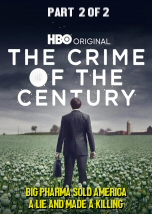
In the second part and conclusion, a spotlight on the mass marketing of the synthetic opioid fentanyl examines the connections between drug manufacturers and government policy. Video of sales retreats and promotional material reveals a deep cynicism among company employees and a disregard for the widespread, nefarious corporate practices.
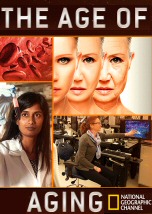
In recent years, close study of the aging process has opened up new ways that could help us all live healthier for longer. Can we move beyond treating individual diseases, and instead treat the aging process itself? But would a longer life necessarily be a better life? A loose-knit group of researchers believe the real breakthrough is extending our health span - the period of life spent free of disease". Hear from Laura Deming, who dropped out of M.I.T. at the age of 14 and committed herself to finding and funding projects that can expand the human health span, and Dr. Brian Kennedy, whose work in the basic biology of aging has been crucial to the development of countless other researchers' work.
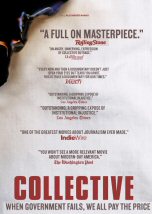
In 2015, a fire at Bucharest's Colectiv club leaves 27 dead and 180 injured. Soon, more burn victims begin dying in hospitals from wounds that were not life-threatening. Then a doctor blows the whistle to a team of investigative journalists. One revelation leads to another as the journalists start to uncover vast health care fraud. When a new health minister is appointed, he offers unprecedented access to his efforts to reform the corrupt system but also to the obstacles he faces. Following journalists, whistle-blowers, burn victims, and government officials, Collective is an uncompromising look at the impact of investigative journalism at its best. Nominated for Best International Film & Documentary in 2020 Academy Awards. (Click CC for subtitles)
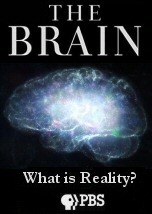
Neuroscientist David Eagleman explores the human brain in an epic series that reveals the ultimate story of us, why we feel and think the things we do. This ambitious project blends science with innovative visual effects and compelling personal stories, and addresses some big questions. By understanding the human brain, we can come close to understanding humanity". In this episode, Dr. Eagleman takes viewers on an extraordinary journey that explores how the brain, locked in silence and darkness without direct access to the world, conjures up the rich and beautiful world we all take for granted.
The health film that health organizations don't want you to see! The documentary is the groundbreaking follow-up film from the creators of the award-winning documentary Cowspiracy. The film exposes the collusion and corruption in government and big business that is costing us trillions of healthcare dollars, and keeping us sick. What The Health is a surprising, and at times hilarious, investigative documentary that will be an eye-opener for everyone concerned about our nation’s health and how big business influences it.












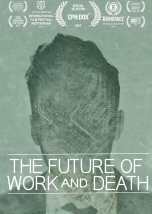







How job obsolescence and technological unemployment could consequently occur and how digital immortality can occur may not be a thing of science fiction. But what are the socio-political repercussions of these innovations and are we ready for them? Does working less mean living more and is ending ageing incumbent on us? Worldwide experts in the fields of futurology, anthropology, neuroscience and philosophy share their thoughts on these future advancements.