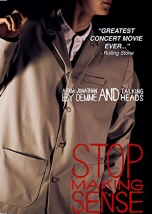
Over the course of three nights at Hollywood's Pantages Theater in December 1983, filmmaker Jonathan Demme joined creative forces with Jordan Cronenweth and Talking Heads... and miracles occurred. Following a staging concept by singer-guitarist David Byrne, this euphoric concert film transcends that all-too-limited genre to become the greatest film of its kind. A guaranteed cure for anyone's blues, it's a celebration of music that never grows old, fueled by the polyrhythmic pop-funk precision that was a Talking Heads trademark, and lit from within by the geeky supernova that is David Byrne. This circus of musical pleasure defies the futility of reductive description; it begs to be experienced, felt in the heart, head, and bones, and held there the way we hold on to cherished memories. On those three nights in December 1983, Talking Heads gave love, life, and joy in generous amounts that years cannot erode, and Demme captured this act of creative goodwill on film with minimalist artistic perfection. Stop Making Sense is an invitation to pleasure that will never wear out its welcome.
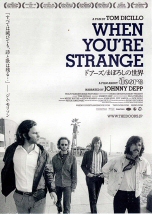
A chronological look at The Doors, focusing on lead singer, Jim Morrison (1943-1971), from the formation of the band in 1965, it's first gigs, and first album, to Morrison's death, after years of alcohol and drug use. Along the journey, we see rare exclusive footage, performances, and private moments including a Miami concert resulting in Morrison's arrest and trial for indecency. His love of the spotlight, his desire to be a poet, and his alcohol-fueled mood swings lead to a back and forth between public and private desires, successes, and failures. The band's music plays throughout.
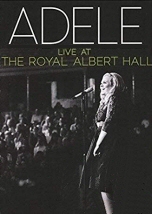
A live concert performance of Grammy-winning pop/soul sensation Adele Adkins at the Royal Albert Hall in London. The film features the full 90 minute performance plus behind the scenes footage shot throughout that day. 'Live At The Royal Albert Hall' showcases exactly why Adele has become one of the most sought after live performers in the world.
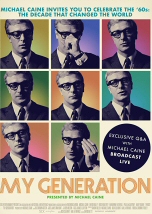
British film icon Michael Caine narrates and stars in My Generation, the vivid and inspiring story of his personal journey through 1960s London. Based on personal accounts and stunning archive footage, this feature-length documentary film sees Caine travel back in time to talk to The Beatles, Twiggy, David Bailey, Mary Quant, The Rolling Stones, David Hockney and other star names. The film has been painstakingly assembled over the last six years to tell the story of the birth of pop culture in London, through the eyes of the young Michael Caine: For the first time in history the young working class stood up for ourselves and said: Were here, this is our society and were not going away!
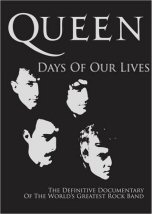
In 1971, four university students got together to form a band. Since then, that certain band called Queen has released 26 albums and sold over 300 million records worldwide. The popularity of Freddie Mercury, Brian May, Roger Taylor and John Deacon is stronger than ever. Their story is a remarkable one, a narrative that covers early struggles, huge obstacles, success, arguments, breakups, triumph, tragedy and an enduring legacy - all against a backdrop of brilliant music and stunning live performances from every corner of the globe. In this film, for the first time, it is the band that tells their story. Guiding us through an extensive archive full of hitherto unseen footage, the documentary reveals how four strong-minded individuals, all capable of writing massive hit songs, worked together so successfully for four decades. Queen never did anything by halves - meaning their highs were massive, but their lows catastrophic. It is a compelling story told with intelligence, wit, plenty of humour and painful honesty.
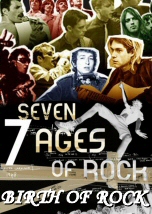
The rock revolution of the 1960s seen through the life and music of Jimi Hendrix. We see how he became the first, ultimately doomed, icon of rock. The Birth Of Rock also explores the influence of rhythm & blues on a generation of British musicians such as The Rolling Stones, Cream and The Who, and how the song-writing of Bob Dylan and studio developments of The Beatles transformed the possibilities and ambitions of rock.















This circus of musical pleasure defies the futility of reductive description; it begs to be experienced, felt in the heart, head, and bones, and held there the way we hold on to cherished memories. On those three nights in December 1983, Talking Heads gave love, life, and joy in generous amounts that years cannot erode, and Demme captured this act of creative goodwill on film with minimalist artistic perfection. Stop Making Sense is an invitation to pleasure that will never wear out its welcome.