Dr George McGavin and Dr Zoe Laughlin set up base camp at one of the UK's biggest sewage works to investigate the revolutionary science finding vital renewable resources and undiscovered life in human waste. Teaming up with world-class scientists, they search for biological entities in sewage with potentially lifesaving medical properties, find out how pee can generate electricity, how gas from poo can fuel a car and how nutrients in waste can help solve the soil crisis. They follow each stage of the sewage treatment process, revealing what the stuff we flush can tell us about how we live today, and the mind boggling biotechnology being harnessed to clean it, making the wastewater safe enough to return to the environment.
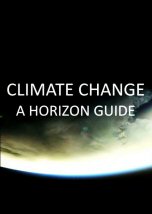
Today, the topic of climate change is a major part of daily life, yet 40 years ago it was virtually unheard of. Since then, Horizon have followed scientists as they have tried to unpick how the climate works and whether it is changing. Dr Helen Czerski delves into this unique archive to chart the transformation of a little-known theory into one of the greatest scientific undertakings in history. It has been a constantly surprising journey of discovery that has revolutionised our understanding of climate, and seen scientists face unprecedented controversy and criticism.
Sir David Attenborough chooses his favorite recordings from the natural world --from the song of the largest lemur to the song of the humpback whale to the song of the lyrebird-- that have revolutionized our understanding of song. The science of song had been transformed by Charles Darwin’s theory of sexual selection: singing is dangerous as it reveals the singer’s location to predators, but it also offers the male a huge reward, the chance to attract a female and pass on genes to the next generation. Today, new science in the field of birdsong is transforming those long-held ideas. Scientists are discovering that, in fact, in the majority of all songbird species, females sing - and it is only now they are being properly heard. Through this revelation and others, we can understand that animal songs are marvellous examples of the spectacular survival strategies that species have developed.
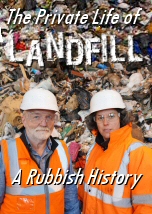
Their quest is to discover whether the items we throw away today have any value for tomorrow's world. In a unique science experiment, Dr George McGavin and Dr Zoe Laughlin chronicle the history of rubbish and explore how what we throw away tells us about the way we live our lives. With unprecedented access to one of the UK's largest landfill sites, the team of experts spend three days carrying out tests all over the site, revealing the secret world of rubbish. They also carry out three other 'archaeological' digs into historic landfills to chart the evolution of our throwaway society. Is mining trash for something valuable really viable? McGavin concluded: 'The idea of landfill mining is a pretty compelling vision of the future.'
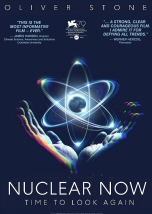
With unprecedented access to the nuclear industry in France, Russia, and the United States, director Oliver Stone delves deep into the groundbreaking technologies that promise a revolution in energy production. But this is not just a story of power and progress; it's a tale of dispelling myths and confronting the fears surrounding nuclear energy. From the passionate voices of those funding their ventures to the illuminating insights of visionaries like Stephen Hawking, 'Nuclear Now' challenges viewers to question their preconceptions. Join this journey to uncover the truths, understand the risks, and judge the possibilities. Imagine a tomorrow that is brighter than today, where humanity harnesses the primordial power of the atom to ensure a future we can all look forward to. Dive into the debate, and decide for yourself.
The architectural design of Beijing's ancient complex of palaces and temples enabled it to survive centuries of earthquakes. The Forbidden City is the world’s biggest and most extravagant palace complex ever built. For five centuries, it was the power center of imperial China and survived wars, revolution, fires, and earthquakes. How did the Ming Emperor’s workforce construct its sprawling array of nearly 1,000 buildings and dozens of temples in a little over a decade?







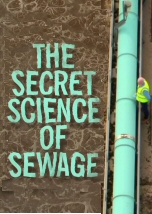






Teaming up with world-class scientists, they search for biological entities in sewage with potentially lifesaving medical properties, find out how pee can generate electricity, how gas from poo can fuel a car and how nutrients in waste can help solve the soil crisis. They follow each stage of the sewage treatment process, revealing what the stuff we flush can tell us about how we live today, and the mind boggling biotechnology being harnessed to clean it, making the wastewater safe enough to return to the environment.