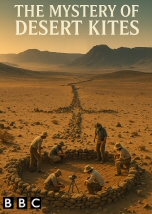
Across the Arabian desert stretch mysterious stone structures, vast kite -shaped formations that have baffled scientists for generations. An international team of archaeologists now sets out to uncover their secrets, combining cutting-edge technology with traditional fieldwork to piece together clues buried beneath the sands. Their discoveries suggest that these enigmatic megastructures may have been used for hunting, ritual, or social gatherings—evidence of a sophisticated culture that thrived thousands of years before the pyramids. From Saudi Arabia’s rugged plateaus to Jordan’s Black Desert, each site reveals astonishing traces of human ingenuity and survival. Sweeping aerial vistas and gripping on-site discoveries immerse us in a mystery that challenges established timelines and forces us to reconsider how early civilizations shaped their world.
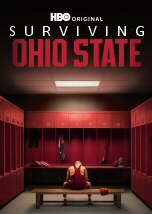
A searing and courageous feature-length documentary delves into one of the most painful and under examined chapters in collegiate athletics history. Through raw, emotional interviews with former student-athletes—including wrestlers and other victims—it confronts the decades of abuse inflicted by Dr. Richard Strauss at Ohio State University, and the systemic failures that allowed him to prey on vulnerable young men across nearly two decades. The film doesn’t just recount trauma; it exposes the deep institutional complicity and silencing, featuring voices demanding truth, accountability, and justice.
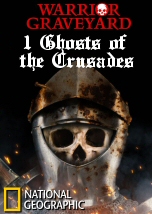
The series Warrior Graveyard uncovers some extraordinary warrior skeletons from history. Archaeologists and forensic scientists use remains to tell the story of famous warriors of the past and unleash the full force of modern forensics upon them: battle scars, bone deformations and recoverable scraps of DNA will all be tested and explored. CGI and drama will then bring them dramatically to life, revealing a revolutionary new picture of how these warriors lived - and died. An archaeological and forensic examination of six crusaders' bones brings to life the 1179 Battle of Jacob's Ford, revealing the wounds that killed the warriors in the Holy Land. With every sword slash comes an insight into an historic day. Excavations along the Israel/ Jordan border are unearthing skeletons and rewriting the history of the First Crusade. The site at Jacob's Ford is the only known Crusader battle site with complete skeletons. To secure the road between Akkon and Damascus, King Baldwin IV of Jerusalem had a mighty castle built at the Jacob's Ford of the Jordan River in October 1178. The fortress was a thorn in the side of Sultan Saladin, so he had it stormed a year later, before it was completed. Excavations have been taking place on the site of the legendary crusader castle since the early 1990s. Archaeologists and forensic experts have examined the remains of six fallen crusaders and uncovered fascinating details about the Battle of Chastellet. The programme has secured access to the excavation and remains of some of the 80 Crusader Knights and 750 foot soldiers stationed at the fort when it was attacked and its Crusaders massacred by Saladin's army in 1179, in the battle that changed the course of history in the Middle East.
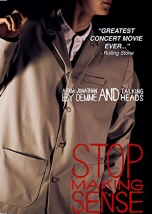
Over the course of three nights at Hollywood's Pantages Theater in December 1983, filmmaker Jonathan Demme joined creative forces with Jordan Cronenweth and Talking Heads... and miracles occurred. Following a staging concept by singer-guitarist David Byrne, this euphoric concert film transcends that all-too-limited genre to become the greatest film of its kind. A guaranteed cure for anyone's blues, it's a celebration of music that never grows old, fueled by the polyrhythmic pop-funk precision that was a Talking Heads trademark, and lit from within by the geeky supernova that is David Byrne. This circus of musical pleasure defies the futility of reductive description; it begs to be experienced, felt in the heart, head, and bones, and held there the way we hold on to cherished memories. On those three nights in December 1983, Talking Heads gave love, life, and joy in generous amounts that years cannot erode, and Demme captured this act of creative goodwill on film with minimalist artistic perfection. Stop Making Sense is an invitation to pleasure that will never wear out its welcome.
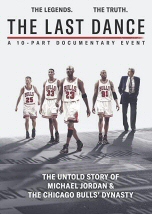
In the 1998 NBA finals, the defending NBA champion Chicago Bulls played against Utah Jazz in a repeat of the previous year's Final. With Utah leading 86-85 and few seconds remaining of the definitive match, John Stockton passed the ball to Karl Malone but Jordan stole the ball away and dribbled down the court to hit a 20-footer to end the finals. Battered and exhausted, the Bulls conclude their 'Last Dance' with a sixth championship. Michael, Phil Jackson and others reflect on the end of the dynasty.
In 1998, the series against the Indiana Pacers of Reggie Miller was the hardest play-off The Chicago Bulls had. In words of Michael Jordan: 'They were big, strong, physical. If I had to pick a team that gave us the toughest time in the east, Indiana was probably the toughest.' In 1997, The Bulls face a stiff challenge to their reign against the Utah Jazz. The day of the fifth game of the final series, tied at two, Michael Jordan suffered food poisoning but tried to play the game. Role player Steve Kerr makes his mark on the dynasty.















From Saudi Arabia’s rugged plateaus to Jordan’s Black Desert, each site reveals astonishing traces of human ingenuity and survival. Sweeping aerial vistas and gripping on-site discoveries immerse us in a mystery that challenges established timelines and forces us to reconsider how early civilizations shaped their world.