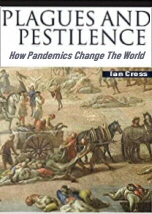
COVID-19 is far from the first pandemic to wreak havoc in the world. A long line of infectious diseases have devastated and in some cases destroyed entire societies. Almost all of them started in animals and made the jump to humans. The Black Death spread across Europe and Asia in the 14th century leaving millions dead in its wake. Between the 15th and 18th centuries, European colonists brought smallpox to the Americas, the Pacific region and to Australia. In Europe, the 17th century saw a series of major epidemics. And at the end of the First World War, more people died of the Spanish flu than on the battlefield. This documentary examines the causes of these epidemics - whether it be lack of hygiene, interaction with animals, overcrowding, or the growth of cities - and how people travelling helped to spread disease and promote pandemics. It also sheds a light on the impact these infectious diseases have had on politics and societal change. Over the centuries, scientists managed to develop treatments and medicines to help control or even eradicate infectious diseases. Virologists are facing that task again with the coronavirus, as the world frantically searches for ways to overcome a pandemic which threatens our modern way of life.
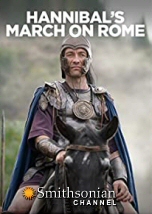
Even 2,000 years after his death, General Hannibal's battle strategies are still studied today. But of all his military feats, perhaps his greatest was leading his massive Carthaginian army of men and three-dozen elephants across the Alps and into the heartland of Rome in 218 B.C. Until now, the route they took has been a matter of dispute, but thanks to modern-day technology, geomorphologist Bill Mahaney and microbiologist Chris Allen believe they've accurately traced this ancient journey.
Dave Grohl returns to his musical roots, while the Foo Fighters prepare to record at Seattle's Robert Lang Studio with Death Cab for Cutie's Benjamin Gibbard. Dave sets his focus on the Seattle music scene, mainly the grunge movement and its implications in American Rock Music. Interviews with Chris Cornell, Nancy Wilson, Bruce Pavitt.
Crushed by the death of his father, a mentally exhausted Michael Jordan retires in 1993 - to play baseball. The Chicago Bulls move on with Scottie Pippen in the lead role. In 1998, Jerry Krause confirms this will be Phil Jackson's last year as the coach of the Bulls.
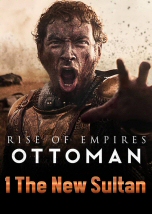
Ottoman Sultan Mehmed II wages an epic campaign to take the Byzantine capital of Constantinople. Twenty-three armies have tried to take the legendary city and all have failed. Out of the carnage, one ruler will emerge victorious and shapes the course of history for centuries. For one empire to rise, another must fall. The Ottomans, former Anatolian warlords and nomads who've built a burgeoning empire are the biggest threat to the Romans' 1100-year reign. The death of Ottoman Sultan Murad II in 1451 unleashes a chain of events that will soon bring the Ottomans and Romans to the brink of war. After claiming the Ottoman throne, Mehmed II sends an unmistakable signal to Byzantine emperor Constantine XI.
Timothy Treadwell's death was as sensational as his life: Having presumed he could live safely among the grizzly bears of the Alaskan wilderness, the outdoorsman and author (Among Grizzlies)--along with his partner, Amie Huguenard--was eventually killed and devoured by one of the very animals to whom he had devoted years of study. In telling this story, Werner Herzog relies considerably on Treadwell's own video footage, shot during his time in the wild. The famed German director takes Treadwell's story into unexpected emotional frontiers and startling landscapes of the mind. Treadwell is an intriguing, infuriating, perhaps even tragic figure. But Herzog himself is equally compelling, and this brilliant film is just one reason why.

























This documentary examines the causes of these epidemics - whether it be lack of hygiene, interaction with animals, overcrowding, or the growth of cities - and how people travelling helped to spread disease and promote pandemics. It also sheds a light on the impact these infectious diseases have had on politics and societal change. Over the centuries, scientists managed to develop treatments and medicines to help control or even eradicate infectious diseases. Virologists are facing that task again with the coronavirus, as the world frantically searches for ways to overcome a pandemic which threatens our modern way of life.